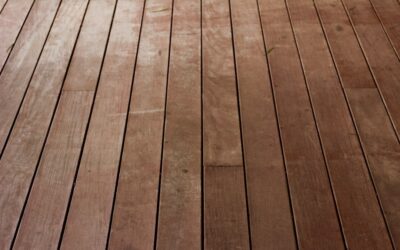
Cork is a wonderful floor, warm, soft, quiet, and naturally resilient, but it’s also more porous and more sensitive than tile or vinyl, which means stains need careful handling. If you want to remove stains from cork flooring without dulling the finish or damaging the cork beneath, you have to match your method to both the type of stain and the type of finish on your floor. The wrong cleaner or too much scrubbing can do more harm than the stain itself.
In this guide I’ll explain how cork’s finish affects stain removal, then walk through the right approach for the most common stains, grease, wine and food, water marks, and pet accidents, plus how to protect your floor so stains don’t take hold in the first place.
- Remove Stains from Cork Flooring: Understand Your Cork's Finish First
- Removing Grease and Oil Stains
- Tackling Wine, Coffee, and Food Stains
- Dealing With Water Marks and White Rings
- Handling Pet Stains and Odors
- Cleaners to Avoid on Cork
- Restoring a Cork Floor After Stain Removal
- Preventing Stains and Protecting Cork
Remove Stains from Cork Flooring: Understand Your Cork’s Finish First
Before you attack a stain, know what’s protecting your cork. Most cork floors are sealed with either a polyurethane film finish or a penetrating wax or oil. This matters enormously. On a polyurethane-sealed floor, the finish sits on top, so many spills stay on the surface and wipe away before they penetrate, and you can clean more confidently. On a waxed or oiled floor, the cork is more exposed and stains can reach the material itself, so you must be gentler and may need to re-wax after cleaning.
Whatever the finish, cork’s cardinal rules are: no soaking, no harsh abrasives, and no strong solvents or bleach that can strip the finish and discolor the cork. Always test any cleaner on an inconspicuous spot first. And act fast, most stains are far easier to remove when fresh than after they’ve had hours or days to set into the porous surface.
Removing Grease and Oil Stains
Grease from the kitchen is one of the most common cork stains and one of the trickiest because oil penetrates. For a fresh grease spot, blot up as much as you can immediately with a paper towel, don’t rub, which spreads it. Then clean the area with a cloth dampened in warm water and a few drops of mild dish soap, which is formulated to cut grease. Wipe with the grain and dry the area promptly.
For a set-in grease stain, a paste of baking soda and a little water can help draw out the oil, gently apply it, let it sit a few minutes, then wipe away and clean with the mild soap solution. Avoid strong degreasers and solvents, which can eat the finish. On a waxed floor, you may need to buff and re-wax the spot afterward to restore protection. Patience and repeated gentle cleaning beats one aggressive scrub.
Tackling Wine, Coffee, and Food Stains
Colored liquids like red wine, coffee, tea, and fruit juice can dye porous cork if left to sit, so blot immediately. Press a clean, dry cloth or paper towel onto the spill to lift as much liquid as possible, working from the outside in so you don’t spread it. Then clean with a cloth dampened in warm water with a splash of mild dish soap or a diluted white vinegar solution (a tablespoon of vinegar in a cup of water), which is mild enough for cork.
For a stubborn residual stain after the liquid is gone, a paste of baking soda and water applied gently, left briefly, then wiped away, often lifts the last of the discoloration. Rinse with a barely damp cloth and dry thoroughly. Never let cleaning water pool on cork. If a faint stain remains on a sealed floor, repeat gently rather than scrubbing hard, which can burnish and dull the finish.
Dealing With Water Marks and White Rings
Water and cork have a complicated relationship. White marks or rings from a wet glass or a spill usually indicate that moisture got trapped in or under the finish rather than a true stain in the cork. On a waxed cork floor, a white ring often sits in the wax layer, and a gentle rub with a soft cloth and a tiny amount of mineral oil or a specific cork/wax cleaner can clear it, followed by re-waxing if needed.
Dark water marks, by contrast, mean water has penetrated into the cork itself, which is harder to fix, dry the area completely first and give it time, as some dark marks fade as the cork dries out. Prevention is far easier than cure here: wipe standing water immediately and never wet-mop cork or use a steam cleaner, which forces moisture into the material and can cause swelling, warping, and permanent dark staining.
Handling Pet Stains and Odors
Pet accidents are urgent on cork because urine is both a stain and an odor problem, and its acidity can damage the finish and the cork if left. Blot up the liquid immediately with paper towels, pressing to absorb as much as possible. Then clean the area with a mild soap-and-water solution or a diluted vinegar solution, which also helps neutralize odor. Wipe and dry thoroughly.
For lingering odor, an enzymatic pet-stain cleaner formulated to break down urine can work, but apply it sparingly with a cloth rather than soaking the floor, and test it first, since cork is sensitive. Avoid strong ammonia-based cleaners (ammonia smells like urine to pets and invites repeats) and harsh chemicals. If urine has penetrated a waxed floor and left a stain, you may need to clean, dry, lightly buff, and re-wax the spot to fully restore it.
Cleaners to Avoid on Cork
Knowing what not to use is as important as knowing what works, because the wrong product can permanently damage cork. Never use bleach, ammonia, or harsh alkaline cleaners, which can discolor the cork and strip the protective finish, leaving the surface exposed and prone to worse staining. Abrasive powders, scouring pads, and stiff brushes scratch and dull the finish, so always clean with soft cloths and gentle motion.
Skip oil soaps and wax-based cleaners on a polyurethane-finished cork floor, since they leave a residue that clouds the finish and complicates future recoating. Most importantly, avoid steam mops and wet-mopping entirely, cork is porous and forcing moisture and heat into it causes swelling, warping, seam separation, and dark water stains that are very hard to reverse. Even undiluted vinegar, while sometimes recommended in tiny amounts, can be too acidic if overused, so always dilute it heavily and test first. When in doubt, reach for a cleaner specifically labeled safe for cork or a mild pH-neutral option.
Restoring a Cork Floor After Stain Removal
Sometimes removing a stubborn stain, especially on a waxed or oiled cork floor, leaves the spot looking slightly dull or lighter than the surrounding surface because you’ve cleaned away some of the protective layer along with the stain. This is normal and easily fixed. On a waxed floor, simply reapply a thin coat of the appropriate cork wax or floor wax to the cleaned area and buff it to blend with the surrounding sheen, restoring both the look and the protection.
On a polyurethane-finished floor, a small dull patch can often be revived with a cork-safe floor polish or refresher that restores shine and re-seals the surface. If a larger area has lost its finish or several stains have left the floor patchy, it may be time for a maintenance recoat of the whole floor, cleaning thoroughly, letting it dry completely, and applying a fresh coat of compatible finish. Keeping the finish maintained is the best long-term defense, because a well-sealed cork floor resists stains far better than a worn one, turning future spills into quick wipe-ups rather than removal projects.
Preventing Stains and Protecting Cork
The best stain removal is stopping stains before they start. Keep your cork floor’s finish in good shape, reapply polyurethane or wax as recommended so spills stay on the surface, and clean routinely with only a barely damp mop and a pH-neutral or cork-specific cleaner. Wipe spills the moment they happen, since cork’s porosity means time is your enemy.
Use felt pads under furniture, mats at entry doors to catch grit and moisture, and area rugs in high-spill zones like in front of the sink or a pet’s feeding area. Keep indoor humidity stable to prevent the cork from drying out or swelling. Treat your cork gently, no soaking, no harsh chemicals, no abrasives, and you’ll be able to remove stains from cork flooring easily on the rare occasions they occur, keeping that warm, beautiful surface looking its best for decades.
Prefer to explore on your own?
See how new flooring looks in your actual room in seconds — free, no signup.
Try the free Floor Studio →