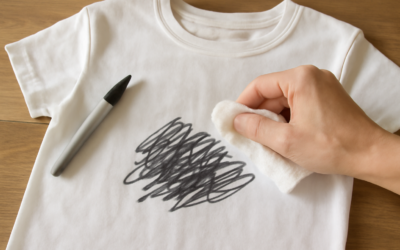
Blood is one of the trickier stains to remove because heat sets it permanently. The rules for how to clean blood stains are almost the opposite of what people instinctively do. Skip the hot water, skip the dryer, and treat the stain cold and fast. Done right, even a heavy spill on sheets or carpet comes out completely. Done wrong, a small drop becomes a permanent brown shadow.
Why Cold Water Is the Golden Rule
Blood contains proteins that bind to fibers when heated. Hot water above 95 degrees F triggers that bonding almost instantly. Once set, no home remedy removes it and commercial stain removers have mixed success. Cold water, by contrast, keeps proteins dissolved and flushes them out of fabric with minimal residue.
Every method below starts the same way: rinse or blot with cold water as the first step. Even if you do nothing else right, that single habit rescues most fresh stains.
Fresh Stains on Washable Fabric
For a stain less than 30 minutes old on clothing, sheets, or towels, this method works nearly every time:
- Hold the fabric under cold running water with the stain facing down, so water pushes blood out through the back of the fabric rather than deeper in.
- Rub the fabric against itself under the running water to work blood loose.
- Apply a dab of liquid dish soap directly to the stain and gently rub.
- Continue rinsing with cold water until water runs clear.
- Launder as usual in cold water. Air dry. Do not put in the dryer until the stain is fully gone.
Check the stain before drying. Dryer heat sets any remnant you missed.
Dried Blood on Fabric
Dried stains need to be rehydrated first, then treated. Soak the item in cold water with a tablespoon of salt per gallon for 1 to 2 hours. The salt helps break the protein bond without heat. After soaking, pretreat with hydrogen peroxide (on white fabric) or an enzyme-based cleaner like OxiClean or Carbona Stain Devils #4.
Hydrogen peroxide bubbles on contact with blood proteins. Apply a small amount to the stain, watch for the reaction, blot with a clean cloth, and repeat. Test on an inconspicuous area first, since peroxide can lighten some dyed fabrics.
Blood on Carpet
Carpet fibers trap blood deeper than woven fabric, and you cannot flip carpet over to rinse. The process changes:
- Blot (never rub) with a white cloth to absorb as much fresh blood as possible.
- Mix 2 cups cold water with 1 tablespoon dish soap and 1 tablespoon white vinegar.
- Dip a clean cloth in the solution, wring it out, and blot the stain from the outside in.
- Rinse by blotting with a fresh cloth dampened with cold water.
- If stain remains, apply 3 percent hydrogen peroxide with a spray bottle, let fizz 1 minute, blot dry.
Weight a clean folded towel on top of the damp area overnight to wick remaining moisture out and prevent wicking of stain back to the surface as it dries.
Blood on Upholstery
Check the tag for a cleaning code. W means water-based cleaners are safe, S means solvent only (use dry-cleaning solvent, never water), W/S means either, and X means professional only. Using water on S-coded fabric causes permanent water rings that are harder to fix than the blood stain itself.
For W-coded upholstery, use the same carpet method above but with even lighter blotting. Do not oversaturate the fabric or moisture will reach the stuffing and create mildew smell for months.
Blood on Mattresses
Mattresses cannot go in the washing machine and cannot be soaked. The paste method works best: mix 2 tablespoons hydrogen peroxide, 1 tablespoon baking soda, and 1 teaspoon liquid dish soap into a thin paste. Spread over the stain, let sit 30 minutes, then blot with a cold damp cloth. Repeat if needed.
For large stains, stand the mattress on its side so liquid does not soak inward during treatment. Run a fan across the treated area for several hours to dry thoroughly. A mattress protector prevents 95 percent of future blood issues from reaching the mattress itself.
Enzyme Cleaners for Tough Cases
Enzyme-based cleaners digest protein stains at room temperature. Products like Nature’s Miracle, Bissell Professional Pet Stain, and Zout work especially well on set-in blood. Apply per the product instructions, which typically means saturating the stain, letting it dwell 10 to 30 minutes, then blotting.
Enzymes keep working as long as the area stays damp, so covering the treated spot with a damp cloth for an hour maximizes their effect. These products cost $10 to $18 for a spray bottle and are worth keeping under the sink for emergencies.
What Not to Do
The fastest way to turn a removable stain into a permanent one is:
- Using hot or warm water at any stage
- Putting the item through the dryer before confirming the stain is gone
- Scrubbing with force, which spreads the stain and pushes it deeper
- Using bleach on fresh blood (it can actually set some stains by reacting with proteins)
- Ignoring the stain for days and hoping it comes out later
Time matters enormously. A stain addressed in the first hour comes out in 10 minutes. The same stain at 24 hours may need an hour of work. At a week, complete removal drops to around 50 percent even with professional treatment.
When to Call a Professional
Large quantities of blood on delicate fabrics (silk, wool rugs, velvet upholstery) or on irreplaceable items (antique quilts, wedding dresses) warrant professional cleaning rather than DIY attempts. A good dry cleaner or rug specialist has access to cold enzyme baths and pH-balanced protein removers that consumer products cannot match.
Biohazard cleanup after significant medical events should always go to a certified cleanup service. That is a different category from an everyday kitchen accident or skinned knee and should be handled accordingly.
Stocking an Emergency Stain Kit
Keep a small bin under the laundry room sink with hydrogen peroxide, white vinegar, dish soap, a box of salt, an enzyme cleaner, several white microfiber cloths, and a spray bottle. That kit handles blood, wine, coffee, and most other protein and tannin stains without a trip to the store at inconvenient hours. Refresh the peroxide annually since it loses strength after opening.