Most homeowners are surprised to learn that how to clean grease off stove tops effectively has less to do with elbow grease and more to do with chemistry — the right cleaner and a 10-minute dwell time will lift baked-on grime that scrubbing alone cannot touch. Skip the dwell time and you’ll be at it for 45 minutes with mediocre results. Use the wrong cleaner and you can permanently scratch glass tops, dull stainless steel, or strip enamel finishes. The right method takes about 20 minutes and uses ingredients you already own.
Identify Your Stove Type First
Different surfaces handle different cleaners. The wrong product on the wrong surface causes damage that no amount of polishing fixes.
- Smooth glass/ceramic top: Sensitive to abrasives. Use specialty cleaner or baking soda paste only.
- Stainless steel cooktop: Tolerates most degreasers but requires grain-direction wiping.
- Enamel coil-burner stove: Tolerates harsher cleaners but the enamel chips at edges.
- Cast iron grates: Hand wash only, never dishwasher. Re-season after deep cleaning.
- Stainless burner caps and grates: Dishwasher safe in most newer models.
Check the manual if uncertain. Most are available online by entering the model number on the manufacturer’s site.
The Universal Soak-and-Wipe Method
This works for almost any stove surface and is the fastest approach for moderately dirty cooktops.
- Remove all burners, grates, and knobs. Set them aside for separate cleaning.
- Mix 1 tablespoon dish soap with 2 cups of hot water. A drop of white vinegar boosts grease cutting.
- Soak a clean dishcloth in the solution and lay it flat across the stovetop. Add a second cloth if needed.
- Wait 10 minutes. The hot water and surfactants soften baked-on grease.
- Wipe the stove with the wet cloth in small circles. Rinse and repeat for stubborn spots.
- Dry with a clean microfiber cloth.
For stainless steel, finish by wiping in the direction of the grain with a tiny bit of olive oil on a microfiber cloth. Restores shine and adds a thin protective layer.
Heavy Grease Removal Method
For thick, baked-on grease that hasn’t been cleaned in months:
- Make a paste of 1/2 cup baking soda and 2-3 tablespoons of water.
- Spread thickly over greasy areas. Don’t rub it in — just cover.
- Spray with white vinegar from a bottle. The mixture will foam.
- Let dwell 15-30 minutes.
- Scrub with a soft sponge or non-scratch nylon pad.
- Wipe clean with a damp cloth, then dry.
For glass or ceramic tops, skip the vinegar (it can streak the surface) and instead make the paste with hydrogen peroxide. Let dwell, then buff with a non-scratch pad.
Cleaning Stove Burner Grates and Caps
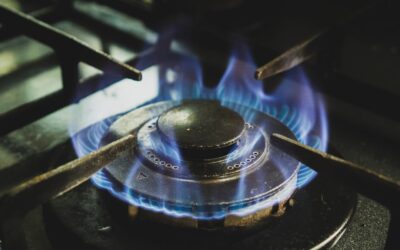
Cast iron grates from a gas stove get the worst grease buildup. The trick is a long soak in ammonia fumes.
- Place each grate inside a separate gallon-sized resealable bag.
- Pour 1/4 cup of ammonia into each bag. Don’t worry about submerging — fumes do the work.
- Seal and place the bags outside or in a garage overnight.
- Open in fresh air. Wipe with a sponge — grease lifts off effortlessly.
- Wash with dish soap, dry thoroughly, and re-season cast iron with a thin coat of vegetable oil baked at 300°F for 30 minutes.
Never mix ammonia with bleach — fatal chlorine gas. And never microwave or heat ammonia-soaked items.
Glass Top Stove Specifics
Glass and ceramic cooktops scratch easily. Avoid steel wool, abrasive sponges, and powdered cleansers (Comet, Bar Keepers Friend Soft Cleanser is OK but avoid the original powder). Specialty glass cooktop cleaners (Cerama Bryte, Weiman Cooktop Cleaner) are formulated for the surface.
For burnt-on residue on glass tops: apply a small amount of baking soda paste, cover with a hot, wet dishcloth, and wait 15 minutes. Scrape gently with a single-edge razor blade held at a 45-degree angle. The blade lifts hardened residue without scratching when used carefully.
Cleaning the Hood and Backsplash
Range hoods accumulate grease faster than the stovetop because of airborne particles. Clean the filter monthly — most stainless mesh filters go in the dishwasher with a quart of distilled white vinegar in the soap dispenser. The filter should look like new after one cycle.
The hood exterior wipes clean with the universal method above. Don’t forget the underside of the hood — that’s where the heaviest grease lives, and it drips back onto the stove if neglected. The backsplash benefits from a 10-minute dwell with diluted dish soap before scrubbing.
Maintenance Routine That Prevents Buildup
- After every cooking session: Wipe the stovetop with a damp cloth while the surface is still warm (not hot).
- Weekly: Lift grates and burner caps, wipe underneath, run hood filter through dishwasher.
- Monthly: Deep clean grates and grease drip pan, polish stainless surfaces with manufacturer-recommended product.
- Quarterly: Pull the stove out from the wall and clean the sides, the floor, and the back of the unit.
The two-minute wipe-down after each cooking session prevents 90% of buildup. Skip it for a week and the cleaning takes 30 minutes instead of three.
Safety Tips Before Starting
Always disconnect electric stoves before cleaning under coil burners, and turn the gas off at the shutoff before removing any gas burner caps for soaking. Never use cleaner on a hot surface — chemicals can fume, splatter, or vaporize unsafely. Work in a well-ventilated kitchen, especially with ammonia, and never combine multiple cleaning chemicals.
Best Commercial Products
- Easy-Off Heavy Duty Oven Cleaner: Aggressive, for enamel only
- Bar Keepers Friend Soft Cleanser: Excellent on stainless steel
- Cerama Bryte Cooktop Cleaner: Glass and ceramic specialist
- Weiman Stainless Steel Wipes: Quick maintenance shine
- Goo Gone Kitchen Degreaser: Spray-and-wipe heavy lifter
Knowing how to clean grease off stove surfaces by type and severity turns a dreaded chore into a 20-minute task. Stay on top of the daily wipe-down and the deep cleaning becomes mostly cosmetic.