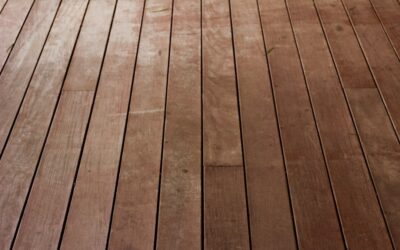
Luxury vinyl plank (LVP) flooring is one of the lowest-maintenance flooring options available, but using the wrong cleaning methods or products can damage the wear layer and dull the finish over time. This guide covers the right way to clean LVP flooring, from quick daily maintenance to deep cleaning and stubborn stain removal.
- Daily Maintenance
- Weekly Mopping
- Deep Cleaning LVP Flooring
- Removing Specific Stains
- Protecting LVP Flooring
- Cleaning Products Recommended for LVP
- Frequently Asked Questions
- Can I use a Swiffer on LVP?
- How often should I mop LVP flooring?
- Why does my LVP look cloudy?
- Can I use a robot vacuum on LVP?
- Final Thoughts
Daily Maintenance
Sweep or Vacuum
The foundation of LVP care is removing loose dirt and grit before it gets ground into the surface by foot traffic. Dirt particles act like fine sandpaper, gradually dulling the wear layer.
- Sweep daily in high-traffic areas (kitchens, entryways) and every 2 to 3 days in low-traffic rooms.
- Use a soft-bristle broom or microfiber dust mop. Avoid stiff bristles that can scratch.
- Vacuum with a hard-floor setting. Turn off the beater bar/rotating brush, which can scuff the surface. Canister vacuums and stick vacuums with hard-floor heads work best.
Spot Clean Spills
While LVP is waterproof, cleaning spills promptly prevents sticky residue and potential staining. Wipe up spills with a damp cloth as they occur. For sticky spills (juice, soda), follow up with a lightly damp mop.
Weekly Mopping
Mopping once a week keeps your LVP floors looking their best. The right technique makes a significant difference.
The Right Way to Mop LVP
- Sweep or vacuum first to remove all loose debris.
- Prepare a cleaning solution. Use one of these options:
- A few drops of pH-neutral dish soap in a gallon of warm water
- A dedicated vinyl floor cleaner (like Bona Hard-Surface Floor Cleaner or Zep Vinyl Floor Cleaner)
- One cup of apple cider vinegar per gallon of warm water (gentle and effective)
- Use a microfiber mop. Spray mops with microfiber pads are ideal for LVP because they control moisture precisely and clean effectively.
- Wring the mop thoroughly. The mop should be damp, not wet. Excess water can seep into seams on some products.
- Mop in the direction of the planks for the most efficient cleaning.
- Dry the floor with a clean, dry microfiber cloth or allow to air dry. LVP dries quickly.
What NOT to Use
- Steam mops: The high heat can warp the vinyl, damage the adhesive, and cloud the wear layer. Many LVP manufacturers explicitly void warranties if steam mops are used.
- Abrasive cleaners: Scouring powders, steel wool, and rough scrub pads scratch the wear layer.
- Wax or polish: LVP does not need waxing. Wax builds up on the surface, creating a hazy film that attracts dirt.
- Ammonia-based cleaners: Can break down the vinyl surface over time.
- Bleach: Undiluted bleach can discolor vinyl. If sanitizing is needed, use a very diluted solution (1/4 cup per gallon) and rinse thoroughly.
- Rubber-backed mats: Rubber and latex-backed mats can cause chemical reactions that permanently discolor vinyl. Use mats with non-staining backings.
Deep Cleaning LVP Flooring
Every one to two months, give your LVP a thorough deep clean to remove buildup that regular mopping misses.
Method 1: Vinegar Deep Clean
- Sweep or vacuum the entire floor.
- Mix one cup of apple cider vinegar per gallon of warm water.
- Mop the floor section by section, using a well-wrung microfiber mop.
- For stubborn areas, let the solution sit for 2 to 3 minutes before wiping.
- Rinse with a clean damp mop to remove any residue.
- Dry with a microfiber cloth.
Method 2: Baking Soda for Tough Grime
- Make a paste with baking soda and a few drops of water.
- Apply the paste to stubborn grime spots using a soft cloth.
- Gently rub in circular motions.
- Wipe clean with a damp cloth and dry.
Do not use baking soda paste on the entire floor — reserve it for targeted spot cleaning.
Removing Specific Stains
Scuff Marks
Rub scuff marks with a tennis ball, pencil eraser, or melamine foam sponge (Magic Eraser). For stubborn scuffs, apply a small amount of WD-40 on a cloth, rub the mark, and wipe clean with soapy water.
Food and Beverage Stains
Most food stains wipe up easily with a damp cloth. For dried-on food, place a warm, damp cloth over the spot for a few minutes to soften it, then wipe clean. For wine or coffee stains, use baking soda paste or a vinyl-safe stain remover.
Ink and Marker
Apply rubbing alcohol to a clean cloth and dab the stain gently. Do not pour alcohol directly on the floor. Once the ink lifts, clean the area with a damp cloth and dry.
Grease and Oil
Dish soap is the best solution for grease on LVP. Apply a few drops to a damp cloth, work into the grease spot, and wipe clean. Rinse with a damp cloth to remove soap residue.
Pet Stains
LVP is waterproof, so pet urine does not penetrate the surface. Wipe up the accident, clean with a vinyl floor cleaner or vinegar solution, and dry. For lingering odor, apply an enzyme-based pet stain cleaner that breaks down organic compounds.
Paint
For wet paint, wipe up immediately with a damp cloth. For dried latex paint, apply warm water to soften and then gently scrape with a plastic scraper. For dried oil-based paint, use a small amount of rubbing alcohol on a cloth. Avoid acetone and paint thinners, which can damage vinyl.
Protecting LVP Flooring
Furniture Protection
- Use felt pads under all furniture legs. Check and replace pads every 6 months as they wear out and collect grit.
- Use wide, non-staining caster cups under heavy furniture to distribute weight and prevent indentation.
- Never drag furniture across LVP. Lift and place.
- For rolling chairs, use a hard-surface chair mat or replace plastic casters with soft rubber ones.
Entrance Protection
- Place doormats at all exterior entrances (inside and outside) to trap dirt, grit, and moisture.
- Use non-staining mats only. Check that the mat backing is vinyl-safe.
- Clean mats regularly so trapped grit does not overflow onto the floor.
Sunlight Protection
Prolonged direct sunlight can cause some LVP products to fade or discolor over time. Use curtains, blinds, or UV-filtering window film in rooms with heavy sun exposure. Move area rugs periodically to prevent uneven fading patterns.
Temperature
Extreme heat can soften vinyl. Never place hot pans, curling irons, or other heat sources directly on LVP. Use trivets and heat mats in the kitchen.
Cleaning Products Recommended for LVP
- Bona Hard-Surface Floor Cleaner: pH-neutral, residue-free, safe for all vinyl flooring.
- Zep Vinyl Floor Cleaner: Designed specifically for vinyl, leaves no buildup.
- Better Life Floor Cleaner: Plant-based, non-toxic, safe for vinyl and homes with pets and children.
- Method Squirt + Mop Hard Floor Cleaner: Convenient spray-and-mop format, non-toxic formula.
- DIY solution: A few drops of Dawn dish soap in warm water, or apple cider vinegar diluted 1 cup per gallon.
Frequently Asked Questions
Can I use a Swiffer on LVP?
Yes. Swiffer Sweeper dry cloths are safe for daily dusting, and Swiffer WetJet with a gentle, vinyl-safe solution works for mopping. Avoid Swiffer products designed for wood floors, as some contain oils that can leave residue on vinyl.
How often should I mop LVP flooring?
Mop once a week for most households. Homes with pets, children, or heavy traffic may benefit from mopping twice a week. Kitchen floors near cooking areas may need more frequent mopping.
Why does my LVP look cloudy?
Cloudiness is almost always caused by cleaning product buildup. Switch to a residue-free vinyl cleaner and mop with a vinegar-water solution to dissolve the buildup. Going forward, use less cleaning solution and rinse the mop more frequently.
Can I use a robot vacuum on LVP?
Yes, robot vacuums are excellent for maintaining LVP floors. Models with soft roller brushes (like iRobot Roomba j-series) are gentler than those with stiff bristle brushes. Robot vacuums that mop are also safe for LVP when used with appropriate cleaning solutions.
Final Thoughts
Cleaning luxury vinyl plank flooring is straightforward when you use the right tools and products. Sweep daily, mop weekly with a damp microfiber mop and gentle cleaner, and avoid steam mops, abrasive products, and wax. These simple habits keep your vinyl floors looking new for years with minimal effort.
Prefer to explore on your own?
See how new flooring looks in your actual room in seconds — free, no signup.
Try the free Floor Studio →