That creeping pink and black film along the bottom of your shower curtain is mold and mildew, fed by the constant moisture and soap residue of every shower. Knowing how to clean a moldy shower curtain can save you from tossing it out — most fabric curtains and plastic liners come clean with a simple wash or scrub. The trick is matching the method to the material and, just as importantly, fixing the conditions that let mold grow back. This guide covers cleaning both fabric and plastic, plus when it is simply smarter to replace a cheap liner.
Fabric Curtain vs Plastic Liner
First, know what you are dealing with. A fabric shower curtain (often the decorative outer one) is usually machine washable. A plastic or vinyl liner (the inner waterproof layer) is more delicate but can often be machine washed gently or scrubbed by hand. Check the care tag if there is one.
The cleaning approach differs slightly between the two, so identify your curtain type before you start. Many setups have both a fabric curtain and a plastic liner, and both can grow mold.
One Safety Rule First
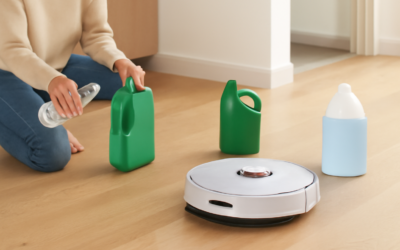
Before mentioning any cleaning agents, commit this to memory: never mix bleach with ammonia or with vinegar, and never combine cleaning products. These combinations create toxic gases that are especially dangerous in a small, enclosed bathroom. Choose one cleaner, ventilate the space, and wear gloves. If you switch products, rinse thoroughly first.
Machine-Washing a Fabric Curtain
Fabric curtains clean up beautifully in the washing machine. Here is the proven method:
- Remove the curtain and take off the rings or hooks.
- Toss the curtain in the machine along with a couple of old towels — they add scrubbing action that helps lift mold.
- Add your regular detergent plus about half a cup to a cup of white vinegar to the wash, or add baking soda to boost cleaning. (Use vinegar OR a bleach-based product, never both.)
- Run a warm or hot cycle if the curtain’s care tag allows it.
- Hang the curtain back up to air-dry, or use low heat — high dryer heat can damage some fabrics.
The towels-plus-vinegar combination is a longtime favorite because it scrubs and deodorizes without harsh chemicals.
Cleaning a Plastic or Vinyl Liner
Plastic liners can also go in the washing machine on a gentle cycle with towels, using detergent and vinegar or baking soda. Run warm (not scalding) water so you do not warp the plastic, and never put a plastic liner in the dryer — hang it to drip-dry.
For hand cleaning, lay the liner in the tub or hang it, spray or wipe it with a cleaning solution, and scrub the moldy areas with a soft brush or sponge. For tough mold on a plastic liner, a diluted chlorine bleach solution (roughly one part bleach to several parts water) is effective — used alone, with the bathroom ventilated, gloves on, and never combined with any other cleaner. Rinse thoroughly afterward.
Spot-Treating Stubborn Mold
For concentrated patches that survive a wash, spot-treat before laundering. Make a paste of baking soda and a little water, apply it to the moldy spots, and scrub with a brush. For a stronger acidic option, spray with white vinegar, let it dwell, then scrub — but remember vinegar must never be combined with bleach. Rinse the area before machine washing so cleaners do not mix.
When to Just Replace the Liner
Be honest about whether a liner is worth saving. Inexpensive plastic liners are cheap to replace, and if mold has set deep into the seams or the plastic is cracking and discolored, replacing it is faster and more hygienic than fighting it. A clean new liner often costs only a few dollars. Save the deep cleaning for fabric curtains and higher-quality liners; treat budget plastic liners as semi-disposable when mold gets bad.
Stopping Mold From Coming Back
Cleaning is temporary if the conditions stay the same. To keep mold from returning:
- Spread the curtain and liner out fully after each shower so they dry instead of staying bunched and damp
- Run the exhaust fan during and for 20 to 30 minutes after every shower
- Keep bathroom humidity down — crack a window or wipe surfaces if needed
- Wash or wipe the curtain regularly before mold gets a foothold
- Consider a quick-drying fabric liner, which resists mold better than clinging plastic
Cleaning the Rings and Rod Too
Do not overlook the hardware while you clean the curtain. Shower curtain rings and hooks collect soap residue and can grow mold or mineral buildup right where they meet the curtain. Drop plastic or metal rings into a bowl of warm water with a splash of vinegar, let them soak, then wipe and rinse. Wipe down the curtain rod as well, since the top of the curtain bunches there and stays damp.
Cleaning these often-ignored spots prevents mold from simply transferring back onto your freshly washed curtain. It only takes a few extra minutes and makes the whole job last longer.
Choosing a Mold-Resistant Replacement
When it is time for a new curtain or liner, you can buy one that fights mold from the start. Fabric liners made of polyester dry faster than clinging plastic and resist mold better, and many are machine washable for easy upkeep. Some liners are treated with mold- and mildew-resistant finishes. Look for quick-drying materials and avoid the cheapest thin plastic liners if mold is a recurring battle in your bathroom. Pairing a mold-resistant liner with good ventilation habits — running the fan and spreading the curtain to dry after each shower — is the most effective long-term solution. Spending a little more on the right liner often saves you repeated cleaning and replacement down the road.
The Bottom Line
To clean a moldy shower curtain, machine-wash fabric curtains with old towels plus vinegar or baking soda, and wash or scrub plastic liners gently — using diluted bleach only on plastic, alone, with good ventilation. Never mix bleach with ammonia or vinegar, replace cheap liners when mold sets in deep, and most importantly, dry the curtain after every shower and keep humidity low so the mold cannot return.