Suede feels luxurious, but it earns a reputation for being fussy the first time you spill coffee on it and panic. Learning how to clean a suede couch with home remedies means you can tackle stains, dust, and everyday grime using inexpensive items already in your pantry, without shelling out for professional upholstery cleaning or risking the water rings that ruin so many suede pieces. The trick is to work dry whenever possible, treat spills fast, and respect the fabric’s delicate nap.
- Gather Your Simple Supplies
- Start With a Thorough Dry Cleaning
- Home Remedies for Common Stains
- White Vinegar for Water-Safe Suede
- Rubbing Alcohol for Solvent-Only Suede
- Baking Soda or Cornstarch for Grease and Odor
- The Eraser Trick for Scuffs and Dry Marks
- Handling Fresh Spills the Right Way
- Drying and Restoring the Nap
- Protecting Suede Going Forward
- Frequently Asked Questions
Before diving in, confirm what you are actually cleaning. Genuine suede is a napped leather, while many “suede” couches are microsuede or microfiber, a synthetic that is far more forgiving. Check the manufacturer’s tag for a cleaning code: a “W” means water-based cleaners are safe, an “S” means solvent only, “S/W” allows both, and “X” means vacuum only. This single letter dictates which remedies below you can use, so never skip it.
Gather Your Simple Supplies
You do not need specialty products to keep suede looking sharp. Most of what works best costs a few dollars and lives in the average kitchen or bathroom.
- A suede brush or a clean, dry toothbrush for lifting the nap
- White vinegar (for W or S/W coded fabrics)
- Rubbing alcohol (isopropyl, for S-coded genuine suede)
- Baking soda or cornstarch for absorbing oil and odor
- A clean pencil eraser or a dedicated suede eraser
- Several white microfiber cloths, so dye does not transfer
- A vacuum with a soft brush attachment
White cloths matter more than people expect. Colored rags can bleed dye into pale suede, turning one problem into two. Keep a small stack of white microfiber towels reserved just for upholstery.
Start With a Thorough Dry Cleaning
Every cleaning session should begin dry. Vacuum the entire couch with the soft brush attachment, working into the seams and under the cushions where crumbs and dust collect. Loose grit is abrasive and grinds into the nap when you rub, so removing it first protects the fabric.
Next, take your suede brush and sweep the whole surface in one consistent direction. This lifts the flattened nap, restores the couch’s soft texture, and dislodges surface dirt that vacuuming missed. If an area looks matted or shiny from body oils, brush it back and forth gently to break up the buildup, then finish with strokes in a single direction for an even appearance.
Home Remedies for Common Stains
Different stains call for different treatments. Match the remedy to the mess and always test on a hidden spot, like the back of the couch or under a cushion, before treating a visible area.
White Vinegar for Water-Safe Suede
For fabrics coded W or S/W, white vinegar is a workhorse. Dampen, do not soak, a white cloth with undiluted white vinegar and blot the stain gently. Vinegar evaporates quickly and will not leave the water rings that plain water does. Once the stain lifts, let the area air-dry completely, then brush the nap back to life. This method excels on light drink spills, coffee, and general dinginess.
Rubbing Alcohol for Solvent-Only Suede
Genuine suede coded S reacts badly to water, so reach for isopropyl alcohol instead. Lightly moisten a white cloth and blot the stain, working from the outside in to avoid spreading it. Alcohol dries fast and lifts many ink, makeup, and grease marks. Because it flashes off so quickly, it rarely leaves a mark of its own, but always test first.
Baking Soda or Cornstarch for Grease and Odor
Oil-based stains, think salad dressing, buttery fingers, or a greasy takeout container, respond to absorption rather than scrubbing. Sprinkle a generous layer of baking soda or cornstarch directly on the fresh stain and let it sit for at least 15 to 30 minutes, or overnight for stubborn grease. The powder pulls oil out of the nap. Vacuum it away, then brush the area. Baking soda doubles as a deodorizer, so a light dusting left overnight and vacuumed the next morning freshens a couch that has absorbed pet or cooking smells.
The Eraser Trick for Scuffs and Dry Marks
Dry, rubbed-in marks and light scuffs often come off with nothing more than a pencil eraser. Rub the spot briskly, the same way you would erase a mistake on paper, and the friction lifts the mark while restoring the nap. A dedicated suede eraser (about $6) works even better and is worth keeping in a drawer.
Handling Fresh Spills the Right Way
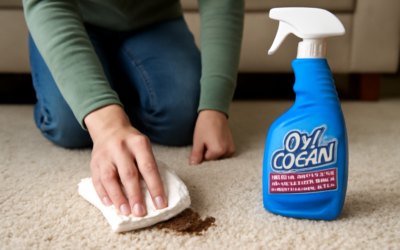
Speed decides whether a spill becomes a permanent stain. The instant something lands on the couch, grab a clean white cloth and blot, never rub, to soak up as much liquid as possible. Rubbing pushes the spill deeper and mats the nap. For a wet spill on grease-prone suede, blot first, then immediately cover the damp area with baking soda to draw out the remaining moisture and any oil. Once dry, vacuum and brush. Treating a spill within the first few minutes routinely prevents a stain that would otherwise require heavy intervention.
Drying and Restoring the Nap
Patience during drying separates a good cleaning from a botched one. Let treated areas air-dry fully at room temperature, and resist the urge to speed things with a hair dryer, which can stiffen genuine suede and create heat rings. Keep the couch out of direct sunlight while it dries to avoid fading. Once completely dry, the nap may look flat or slightly discolored, but a firm pass with the suede brush almost always restores the original soft, uniform texture. If a treated patch looks lighter than the surrounding fabric, brush it back into the neighboring nap to blend the transition.
Protecting Suede Going Forward
A little maintenance keeps you from needing deep cleaning in the first place. Brush the couch weekly to keep the nap upright and prevent oils from setting. Consider a suede protector spray (roughly $10 to $15) applied every few months to repel liquids and make future spills bead up instead of soaking in. Rotate and flip loose cushions so wear spreads evenly, and keep the couch out of harsh, direct sun to preserve its color. These small habits extend the life of a suede couch by years.
Frequently Asked Questions
Can I use water to clean a suede couch?
Only if the tag is coded W or S/W. Even then, use a barely damp cloth, because saturating suede causes stiff patches and water rings. Genuine suede coded S should be cleaned with solvents like rubbing alcohol instead.
Does baking soda really clean suede?
Yes, for oil-based stains and odors. Baking soda absorbs grease and neutralizes smells when left to sit and then vacuumed away. It does not work on water-based stains, where vinegar or alcohol is a better choice.
How do I get old, set-in stains out of suede?
Old stains are tougher but not hopeless. Try a suede eraser first, then a light blotting with the appropriate solvent for your fabric code. Repeat gently rather than scrubbing hard once. If the stain persists, a professional upholstery cleaner is the safest next step.
How often should I clean a suede couch?
Vacuum and brush weekly, spot-treat spills immediately, and do a full go-over monthly. Regular light maintenance prevents the deep grime that requires aggressive cleaning.
Cleaning a suede couch with home remedies is entirely doable once you know the rules: check the fabric code, work dry first, blot instead of rub, and match vinegar, alcohol, or baking soda to the stain at hand. Stick to those principles and your suede stays soft, even, and inviting for years.