Baking soda is the internet’s favorite carpet deodorizer, but nobody warns you about the cleanup. Learning how to get baking soda out of carpet matters because the fine powder sifts deep into the pile, clings to fibers with static, and — if it ever gets damp — cakes into a white crust that a quick vacuum pass will never touch. The good news: with the right sequence of dry removal first and damp cleanup second, you can get every trace out without damaging the carpet or your vacuum. Here is the method that actually works, plus fixes for the stubborn cases.
- Why Baking Soda Is So Hard to Vacuum Up
- Step 1: Let It Sit, Then Vacuum Slowly
- Step 2: Brush the Pile to Break Up Trapped Powder
- Step 3: Protect Your Vacuum While You Work
- Step 4: Damp Cleanup for the Last Residue
- Removing Dried, Caked-On Baking Soda Paste
- When to Bring Out a Carpet Cleaner
- Using Baking Soda Smarter Next Time
Why Baking Soda Is So Hard to Vacuum Up
Sodium bicarbonate particles are tiny — much finer than ordinary household dust. When you sprinkle it on carpet and walk on it, the particles migrate down past the face fibers into the base of the pile and even through the backing into the pad. Static electricity in synthetic fibers like nylon and polyester makes the powder cling harder still. A single fast vacuum pass skims the surface layer and leaves the majority behind, which is why carpets often look faintly white days after a deodorizing treatment.
Moisture makes everything worse. Baking soda plus water forms a paste that dries into a crust bonded to the fibers. That is a different removal job entirely, and we will cover it below.


Step 1: Let It Sit, Then Vacuum Slowly
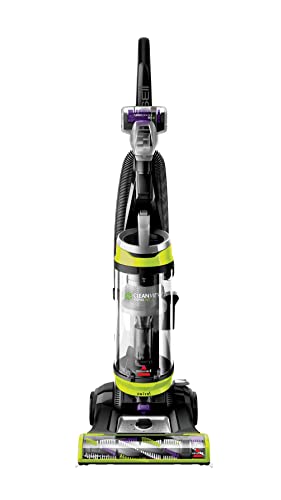
If the powder is fresh and dry, start with your vacuum — but technique matters more than horsepower. Work in slow, overlapping passes, moving about one foot per second or slower. Go over the area in one direction, then repeat at 90 degrees to attack the pile from both sides. On plush or high-pile carpet, raise the beater bar height slightly so the brush agitates the tips without grinding powder deeper.
- Vacuum the area slowly in north-south passes.
- Repeat in east-west passes.
- Empty the canister or check the bag — fine powder fills filters fast.
- Wait 15 to 20 minutes for disturbed powder to settle, then make a final pass.
Expect to repeat this cycle two or three times over a day or two. Each round of foot traffic and settling brings more powder to the surface where the vacuum can reach it.
Step 2: Brush the Pile to Break Up Trapped Powder
For powder lodged deep in the pile, agitation is your friend. Use a stiff-bristled scrub brush, a carpet rake, or even a clean broom and work the fibers in multiple directions. You will see a faint white haze rise — that is the trapped baking soda breaking free of the fiber bases. Vacuum immediately after brushing. On berber and other loop-pile carpets, brush gently and in line with the rows to avoid snagging loops.
A rubber-bristled pet hair brush works especially well here because the rubber generates friction that counteracts the static holding the powder in place.
Step 3: Protect Your Vacuum While You Work
Large quantities of fine powder are hard on vacuums. Bagless models clog their cyclone filters quickly, and HEPA filters can blind over in a single session. Empty the bin when it is a third full, tap out or rinse the filter (dry it fully before reinstalling), and give the machine a rest if the motor starts to smell warm. If you have a shop vacuum with a fine-dust bag or drywall filter, it is a better tool for the heavy first passes than your household upright. Robot vacuums should sit this job out entirely — powder wrecks their sensors and brushes.
Step 4: Damp Cleanup for the Last Residue
Once dry methods stop producing powder, remove the final film with controlled moisture. Note the word controlled — soaking the carpet turns remaining bicarbonate into paste and can wet the pad, which invites mildew.
- Lightly mist the area with warm water from a spray bottle, or wring a white cotton towel until it is barely damp.
- Blot and wipe the fibers, turning the towel as it picks up white residue.
- Follow with a dry towel, pressing firmly to lift moisture back out.
- Let the spot air-dry fully — a fan speeds this to an hour or two — then vacuum once more to restore the pile.
Skip the vinegar trick you may have read elsewhere. Vinegar fizzing on baking soda looks satisfying, but the reaction leaves behind sodium acetate and water — more residue, now wet, deeper in your carpet. Plain water dissolves bicarbonate perfectly well on its own.
Removing Dried, Caked-On Baking Soda Paste
If baking soda got damp — a spill, a steam mop pass, pet accident cleanup — and dried into a crust, start dry again. Break up the caked patches with a spoon edge or a stiff brush, crumbling the crust without fraying the fibers, and vacuum the debris. Then dampen the remaining residue with warm water, let it sit two or three minutes to dissolve, and blot with dry towels. Repeat wetting and blotting until the towels come away clean. For crusts bonded low in the pile, an extraction machine (see below) is the surest fix.
When to Bring Out a Carpet Cleaner
For large areas — say you powdered an entire room before a party and it never fully came up — a hot water extraction machine is the definitive answer. Rent a Rug Doctor or BISSELL Big Green for about $30 to $45 per day, or use a home carpet cleaner if you own one. Run it with plain warm water only; you do not need detergent to dissolve bicarbonate, and skipping soap means no new residue. Make slow wet passes followed by multiple dry-only suction passes, and let the carpet dry with fans and ventilation for 6 to 12 hours.
Professional cleaning, typically $40 to $75 per room, makes sense if the baking soda has been ground in for months or the carpet is a delicate wool where you would rather not experiment.
Using Baking Soda Smarter Next Time
None of this means abandoning baking soda as a deodorizer — it genuinely neutralizes odors. Just use it with cleanup in mind. Sprinkle a light, even dusting rather than a snowdrift; more powder does not absorb more smell once the surface is covered. Let it dwell 30 minutes to a few hours, not overnight, and keep foot traffic off it so it stays near the surface. Never apply it to damp carpet, and brush it in only if you are prepared for the deeper extraction that requires. A light hand going in makes how to get baking soda out of carpet a five-minute job instead of a weekend project.