Vinegar will not kill adult fleas on contact, but it does repel them effectively and disrupts the life cycle when used correctly. The chemistry is straightforward, fleas dislike acidic environments and the strong smell, which makes a 50/50 vinegar spray a real tool in a layered control program. Knowing how to get rid of fleas naturally with vinegar means using it for what it actually does, not what late-night blog posts claim. After dealing with infestations in three rental properties and consulting a vet about pet-safe protocols, here is what actually works and the limits you need to know.
- Why Vinegar Works as a Flea Deterrent
- The Vinegar Pet Bath Method
- Vinegar Spray for Furniture and Floors
- The Vinegar Trap for Adult Fleas
- The Full Natural Flea Program
- Treating the Yard Naturally
- Adding Vinegar to Pet Drinking Water
- When to Escalate Beyond Natural Methods
- Final Verdict on How to Get Rid of Fleas Naturally with Vinegar
Why Vinegar Works as a Flea Deterrent
The acetic acid in vinegar drops the pH of treated surfaces and pet coats below the range where adult fleas comfortably feed. The strong smell also overwhelms their attractant detection. White vinegar (5 percent acidity) and apple cider vinegar both work. ACV is gentler on pet skin but otherwise the chemistry is similar.
What vinegar does not do: kill flea eggs in carpet fibers, kill larvae in cracks, or eliminate an established infestation in your home environment. Adult fleas are only 5 percent of the population. The other 95 percent (eggs, larvae, pupae) live in the carpet, bedding, and floor cracks, and vinegar barely touches them. So vinegar is part of a strategy, not the whole strategy.
The Vinegar Pet Bath Method
For dogs over 12 weeks old, a vinegar rinse after a regular shampoo bath repels fleas effectively. Use 1 cup of apple cider vinegar in 1 quart of warm water. After shampooing with a pet-safe shampoo (Earthbath, Burt’s Bees), pour the vinegar rinse over the coat avoiding the eyes and ears. Let it sit for 5 minutes, then rinse with clean water.
For cats, dilute further to 1 cup ACV in 2 quarts of water and apply with a damp cloth rather than a full pour. Cats hate water and the stress of a full bath outweighs the benefit. Always check with your veterinarian before treating puppies, kittens, pregnant pets, or animals with skin conditions. Vinegar can sting open scratches.
Vinegar Spray for Furniture and Floors
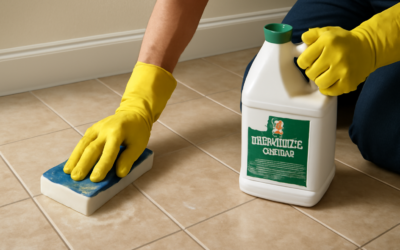
Mix equal parts white vinegar and water in a spray bottle. Add 1 teaspoon of dish soap (Dawn or Seventh Generation) to break surface tension. Spray onto upholstered furniture, pet bedding, baseboards, and carpets. Let air dry. The smell dissipates within 2 to 4 hours but the residual acidity continues to repel for several days.
Do not use this spray on hardwood floors. The acidity will dull oil-based polyurethane finishes over time. For wood floors, use the diluted vinegar only along baseboards and cracks where pet bedding contacts the wood. Test in an inconspicuous spot first on any colored fabric, vinegar can lift dyes from sensitive materials.
The Vinegar Trap for Adult Fleas
A simple shallow dish of warm water mixed with 2 tablespoons of vinegar and a few drops of dish soap, placed on the floor under a small lamp at night, will catch dozens of adult fleas. Fleas are drawn to the warmth and light, jump toward it, and drown in the soapy vinegar water. Empty and refresh the trap nightly for a week to break the adult population.
This trap works as a monitor as much as a treatment. The number of fleas caught per night tells you whether the infestation is getting better or worse. Going from 30 fleas a night to 5 means the program is working. Staying at 30 means you need to escalate.
The Full Natural Flea Program
Vinegar alone will not eliminate a real infestation. Combine it with the following for actual control:
- Daily vacuuming: Vacuum all carpets, upholstery, and pet bedding daily for 14 days. Empty the canister outside immediately. This removes 30 to 60 percent of eggs and larvae mechanically.
- Hot wash bedding: Wash all pet bedding in hot water (over 130°F) every 3 days during treatment.
- Diatomaceous earth: Food-grade DE sprinkled lightly on carpets, left 24 to 48 hours, then vacuumed thoroughly. The microscopic edges destroy flea exoskeletons.
- Cedar oil spray: Cedarcide and similar cedar oil sprays kill adults and larvae on contact and are pet-safe.
- Vinegar spray and traps: As described above for ongoing repellent and adult-stage knockdown.
Treating the Yard Naturally
Outdoor fleas reinfest indoor pets if the yard is not addressed. Beneficial nematodes (Steinernema carpocapsae) sprayed on shaded yard areas eat flea larvae. They are sold at garden centers, applied via hose-end sprayer, and live in the soil for several weeks. A $25 application treats a 5,000 square foot yard.
Vinegar can be sprayed on lawn and patio cracks where pet hair accumulates, but heavy applications will kill grass. Limit it to gravel paths, mulch beds, and concrete cracks. Sun-exposed areas typically have fewer fleas because UV kills eggs, so focus treatment on shaded, protected zones.
Adding Vinegar to Pet Drinking Water
Some natural-pet sources recommend adding 1 teaspoon of ACV per quart of drinking water as an internal flea deterrent. The science here is mixed. The acidity may make the pet’s blood slightly less attractive to fleas, but the effect is subtle and not consistently demonstrated.
If you try it, start with 1/4 teaspoon and watch for any digestive upset. Use only raw, unfiltered ACV with the “mother” present, like Bragg’s. Discontinue if your pet has any kidney issues or refuses to drink. This is a supportive measure, not a primary treatment.
When to Escalate Beyond Natural Methods
If after 14 days of consistent natural treatment you are still seeing more than 5 fleas per night in vinegar traps, the infestation is established and natural methods alone will not finish it. At that point, an integrated approach with a vet-prescribed insect growth regulator (like lufenuron or a topical like Frontline) combined with continued vinegar and vacuuming is the realistic path.
For severe infestations affecting human family members with bites, professional pest control with pet-safe products is the fastest resolution. The vinegar program then resumes for ongoing maintenance.
Final Verdict on How to Get Rid of Fleas Naturally with Vinegar
Vinegar is a legitimate part of a natural flea program, but never the entire program. Use a 50/50 vinegar spray on furniture and floors, ACV rinses after pet baths, and overnight vinegar traps to monitor adult populations. Combine with daily vacuuming, diatomaceous earth, cedar oil, and hot-washed bedding for actual control. Knowing how to get rid of fleas naturally with vinegar at the right places in the protocol, rather than expecting it to be a single solution, is what separates a clean home from a frustrated chemical retreat in week three.