A towel that smells sour the second it gets wet has not been dirtied by one bad wash; it has been slowly colonized. Figuring out how to get rid of mildew smell in towels means understanding that the odor comes from mold and bacteria living deep in the cotton loops, along with a buildup of detergent and fabric softener that traps them there. Ordinary washing just wets that colony and wakes it up, which is why the smell vanishes when the towel is dry and roars back the moment you use it.
The fix is to strip out the residue, kill the microbes, and change the drying habits that let them grow. Done properly, even towels you were ready to throw out come back fresh.
Why Towels Turn Sour
Towels are the perfect mildew habitat: thick, absorbent cotton that stays damp for hours after use, hung in a warm, humid bathroom. Mold and mildew spores thrive in exactly those conditions, feeding on skin cells, body oils, and, critically, the residue left by too much detergent and fabric softener. That residue is the hidden villain, because it coats the fibers, reduces absorbency, and gives microbes a food source and a place to hide.
This is why the odor is so persistent. Regular washing at low temperatures with normal detergent doses adds to the residue rather than removing it, and it does not get hot enough to kill the established colony. To actually solve the problem you have to break that cycle, first by stripping the buildup, then by sanitizing, and finally by ensuring the towels dry fully and fast every time.
The Vinegar and Baking Soda Reset
The most reliable home method uses two cheap pantry staples in two separate cycles. Do not add any detergent or fabric softener during this reset; you are trying to remove residue, not add more. Wash the smelly towels alone, not mixed with other laundry.
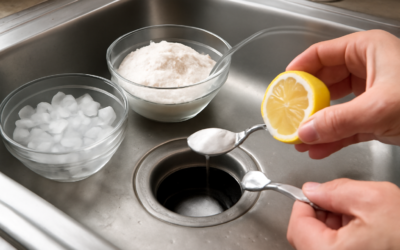
- Run the first cycle on the hottest water setting the towels allow, usually 130 degrees Fahrenheit or higher, adding 1 cup of white distilled vinegar directly to the drum. The acid dissolves detergent buildup, cuts mineral scale, and kills odor-causing bacteria.
- Without drying, run a second hot cycle, this time adding 1/2 to 1 cup of baking soda. It neutralizes remaining odors and further lifts residue from the fibers.
Do not add vinegar and baking soda to the same cycle, because they neutralize each other and you lose the benefit of both. Running them separately is what makes this work. After the two cycles, smell the wet towels; if any sourness lingers, repeat the vinegar wash once more.
The Drying Step That Seals the Deal
Killing the mildew is only half the job; drying is where towels are saved or lost. As soon as the final rinse ends, get the towels out of the machine immediately. Even 30 to 60 minutes of sitting wet in a warm drum is enough for mildew to start regrowing and for that fresh smell to sour all over again.
Dry them completely on high heat, which both fluffs the cotton and helps kill any surviving spores, and do not overload the dryer, since crammed towels dry unevenly and stay damp in the folds. If weather allows, drying towels in direct sunlight is a bonus, because ultraviolet light is a natural sanitizer and sunshine leaves a genuinely fresh scent. A towel that comes out of this process bone-dry and warm is a towel that has been reset.
For Stubborn, Long-Neglected Towels
If towels have been sour for months, they may need stronger treatment. For white towels, a hot wash with 1/2 to 3/4 cup of chlorine bleach kills entrenched mold, but never use bleach on colored towels and never combine it with vinegar in the same or a back-to-back cycle. For colored towels, an oxygen-based bleach such as a scoop of OxiClean dissolved in the hottest water is color-safe and effective against biofilm.
Another option for badly built-up towels is a commercial laundry stripping product or a soak. Fill a tub with very hot water, add washing soda and borax along with a small amount of detergent, and let the towels soak for four to six hours, stirring occasionally; the water often turns gray as trapped residue releases. Wash the towels normally afterward to rinse everything out, then dry fully. This deep strip can revive towels that seemed permanently ruined.
Products and Habits That Cause the Problem
Prevention starts with using less. Overdosing detergent is the number one cause of towel odor, so measure to the line or even slightly under, since towels do not need a heavy dose. Fabric softener is the second culprit; it leaves a waxy coating that reduces absorbency and gives mildew a home, so skip it on towels entirely and use wool dryer balls or a splash of vinegar for softness instead.
How you handle towels between washes matters just as much. A damp towel wadded on the floor or bunched on a hook stays wet for hours and breeds mildew fast. Hang towels spread out fully on a bar so air circulates and they dry within an hour or two, run the bathroom fan or crack a window to lower humidity, and wash towels every three to four uses rather than letting them go a full week. These habits are what keep the smell from ever returning.
Keeping Towels Fresh Long Term
Once you have reset your towels, a light routine keeps them that way. Every couple of months, run a vinegar-only hot wash on your towels as maintenance to prevent residue from rebuilding, especially if you have hard water. Keep dosing detergent conservatively and stay off the fabric softener, and always prioritize getting towels out of the washer and fully dried the moment the cycle ends.
The whole approach to how to get rid of mildew smell in towels comes down to three ideas working together: strip the residue that hides the microbes, sanitize with heat and a mild acid or oxygen bleach, and dry fast and completely every single time. Nail those three and even the most stubborn sour towel becomes fresh again, and stays that way.
Why Fabric Softener Is the Hidden Culprit
Most people reach for fabric softener to make towels feel plush, but on towels it does the opposite of what you want. Softener works by coating fibers with a thin waxy layer, and on absorbent terry cloth that coating builds up wash after wash. It reduces the towel’s ability to absorb water, which is the towel’s entire job, and it gives mildew a food source and a sheltered surface to colonize. The soft, sour towel and the softener are directly connected.
Break the habit and your towels will both absorb better and smell fresher. For softness without the coating, use wool dryer balls, which fluff towels mechanically as they tumble, or add a half cup of white vinegar to the rinse, which softens fibers and strips residue without leaving a film. Within a few washes of dropping softener, towels regain their absorbency and lose the tendency to sour, which surprises people who assumed softener was doing something helpful.
Choosing and Caring for New Towels
If a set of towels is beyond saving, or you are starting fresh, a few choices make future mildew far less likely. Cotton is absorbent but slow to dry, while towels with a looser weave or a blend dry faster and resist mildew better. Whatever you buy, wash new towels once before first use with a cup of vinegar and no softener, which removes the manufacturing finish that otherwise repels water and reduces absorbency out of the package.
Set up a rotation so no single towel stays damp for long. Give each person at least two bath towels to alternate, and hang used towels spread fully across a bar rather than folded on a hook, since a folded towel traps moisture in its core for hours. Run the bathroom exhaust fan during and after showers to keep humidity down. These small structural habits, more than any single wash, are what keep a fresh set of towels from ever developing the mildew smell in the first place.