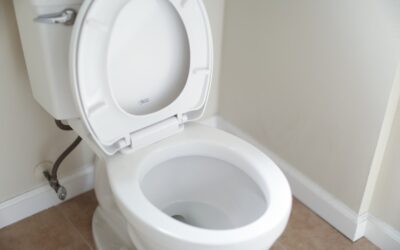
A running toilet wastes an average of 200 gallons a day — about $70 a month on a typical water bill. Figuring out how to make toilet stop running is almost always a 15-minute fix with parts that cost under $20 at any hardware store. The hard part is not the repair; it is identifying which of four common culprits is causing the leak. Once you know whether the problem is the flapper, the fill valve, the float, or the chain, the fix is straightforward.
- Diagnose the Problem in 60 Seconds
- Fix Number One: Replace the Flapper
- Fix Number Two: Adjust the Float
- Fix Number Three: Replace the Fill Valve
- Fix Number Four: Untangle the Chain
- Check the Flush Valve Seat
- When to Replace the Whole Toilet
- Test After Every Repair
- Prevent the Next Running Toilet
- Cost of Ignoring the Problem
Diagnose the Problem in 60 Seconds
Lift the tank lid and watch what is happening. The three noises and visual clues tell you everything:
- Water trickling into the bowl continuously, tank refilling every few minutes: bad flapper or flapper seat
- Water visibly running down the overflow tube in the middle of the tank: fill valve or float set too high
- The fill valve hisses on, off, on, off: phantom flushing, usually a slow flapper leak
- Water stops then restarts five seconds later: chain is tangled and holding the flapper slightly open
Drop a few drops of food coloring into the tank and wait 15 minutes without flushing. If color appears in the bowl, the flapper is leaking. Simple as that.
Fix Number One: Replace the Flapper
A worn flapper is the cause of about 70 percent of running toilets. The rubber hardens and warps after two to five years of exposure to chlorinated water, so it no longer seals the flush valve opening at the bottom of the tank.
- Shut off the water supply at the valve behind the toilet
- Flush to empty the tank
- Unhook the chain from the flush lever
- Slide the flapper ears off the pegs on the overflow tube
- Take the old flapper to the hardware store and match it exactly
- Install the new flapper, reconnect the chain with about 1/2 inch of slack, turn the water back on
A generic Korky or Fluidmaster universal flapper costs $4-$8. Match the brand of your toilet if possible — American Standard, Kohler, and Toto all sell OEM replacements for $10-$15 that seal better than universal versions.
Fix Number Two: Adjust the Float
If water is running down the overflow tube, the tank is filling too high. The float tells the fill valve when to shut off, and over time it drifts upward or the arm bends.
On a ball-float toilet, gently bend the float arm downward until the water level sits about 1 inch below the top of the overflow tube. On a cup-float fill valve like a Fluidmaster 400A, pinch the clip on the adjustment rod and slide the cup down a half inch. Flush and check the level.
Fix Number Three: Replace the Fill Valve
When the fill valve itself fails, it either runs constantly or cycles on and off in short bursts. A $12-$18 Fluidmaster 400A or Korky QuietFill replaces the original in about 20 minutes.
- Shut off the water and flush to empty
- Sponge out the last inch of water in the tank
- Disconnect the supply line from the bottom of the fill valve
- Unscrew the plastic nut under the tank and lift the old valve out
- Adjust the new valve to the correct tank height before installing
- Drop it into the hole, tighten the nut hand-tight plus a quarter turn
- Reconnect the supply line and the refill tube to the overflow
- Turn the water back on and check for leaks
Fix Number Four: Untangle the Chain
The chain between the flush lever and the flapper needs just enough slack to let the flapper fully seat when closed. Too much slack, and the flapper will not lift high enough to flush properly. Too little, and the flapper gets held slightly open and water trickles forever.
Set the slack so the chain droops about 1/2 inch when the flapper is closed. If the chain keeps tangling with itself, replace it with a stainless steel beaded chain — they cost $3 and never twist.
Check the Flush Valve Seat
If a new flapper still leaks, the flush valve seat itself may be scratched, pitted, or coated in mineral buildup. Shut off the water, flush the tank, and run your finger around the ring where the flapper seats. It should feel smooth as glass.
Clean mineral deposits with a fine Scotch-Brite pad and white vinegar. For deep pits, a Flush-Seat repair kit from Korky costs about $10 and uses an epoxy putty to rebuild the seat — much cheaper than replacing the entire toilet.
When to Replace the Whole Toilet
A toilet that runs repeatedly despite new internals usually has a cracked flush valve or a warped tank. Once you have replaced the flapper, fill valve, and chain and the leak continues, the tank itself is the problem. A new 1.28-gallon low-flow toilet costs $150-$300 and pays back in water savings within two years in most US markets.
Test After Every Repair
After any fix, put another round of food coloring in the tank and wait 30 minutes. If the bowl water stays clear, the repair held. If any color appears, you have a second leak path to track down. A correctly sealed toilet should hold tank water indefinitely between flushes with zero movement into the bowl.
Prevent the Next Running Toilet
Flappers and fill valves fail earlier in homes with hard water and chlorinated municipal supplies. A few habits extend the life of every part in the tank:
- Swap flappers preventively every 4 years, not after they fail
- Avoid in-tank bleach tablets — they destroy rubber flappers in months
- Use bowl-only cleaners like Clorox ToiletWand or Scrubbing Bubbles instead
- Wipe mineral buildup off the flush valve seat annually
- Turn the supply valve off and on once a year to prevent it seizing
Cost of Ignoring the Problem
A silent leak of just 1 gallon per hour adds up to 720 gallons a month — roughly $6-$12 on most US water bills. A louder running leak at 10 gallons per hour, which is common with a failed flapper, drives that to $60-$120 a month. Spending 30 minutes and $10 on a new flapper pays for itself before the next billing cycle in almost every case.