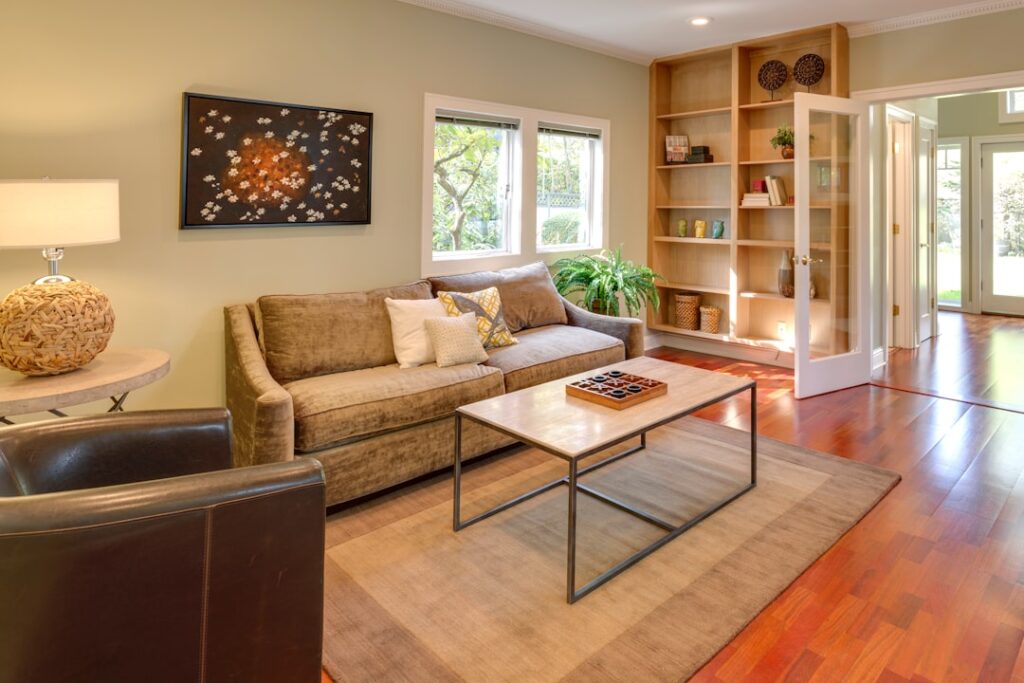
The living room is where families actually live, which is exactly why it ends up buried under building blocks by 6 p.m. Learning how to organize toys in living room spaces is less about buying more bins and more about building a system that a four-year-old can follow and an adult can reset in five minutes. The goal is a room that works for play during the day and looks like a grown-up space at night. Here is how to get there.
- Start by Editing the Toy Population
- Use Furniture That Hides Storage
- Create Zones and Categories
- Label for Kids Who Can't Read Yet
- Go Vertical to Save Floor Space
- Build a Five-Minute Reset Routine
- Style It So It Blends In
- Maintain the System Over Time
- Storage Solutions for Specific Toy Types
- Getting Kids to Actually Use the System
Start by Editing the Toy Population
No storage system survives too many toys. Before you organize, cull. Pull everything together and sort into keep, donate, and toss. Broken pieces, fast-food trinkets, and outgrown toys go. A smaller, curated collection is easier to store, and kids actually play more deeply with fewer choices.
A rotation system helps enormously here. Keep a third to half of the toys accessible and box the rest in a closet. Swap them every few weeks and old toys feel new again, all while cutting the volume on the floor at any given time.
Use Furniture That Hides Storage
The fastest way to keep a living room adult-friendly is dual-purpose furniture that swallows toys when guests arrive. These pieces earn their footprint:
- Storage ottomans: a lift-top ottoman holds a surprising amount and doubles as seating or a footrest.
- Lift-top or hollow coffee tables: stash the toys in active use within arm’s reach of the play zone.
- Console tables with baskets: bins tucked underneath keep small items contained but available.
- Cube shelving with fabric drawers: the workhorse of toy storage, sorting categories behind a clean front.
- Window benches with storage: seating plus a deep hidden compartment.
Closed storage wins in a living room. Open shelves look cluttered fast, so favor pieces with doors, drawers, or lids that let the room read as a living room, not a playroom.
Create Zones and Categories
Random bins create random messes. Group toys by type so cleanup is a sorting game, not a guessing one. Blocks in one bin, art supplies in another, pretend-play in a third. Kids learn the logic quickly when each category has a permanent home.
Define a play zone, too. A washable area rug visually marks where toys belong and where play happens, which makes “put it back in the zone” an easy instruction. When the rug is the boundary, the rest of the room stays clearer.
Label for Kids Who Can’t Read Yet
Labels turn a storage system into a self-service one. For younger children, use picture labels: a photo or simple icon of what goes in each bin. Older kids do fine with words. Either way, labeling tells everyone, including babysitters and grandparents, exactly where things belong, so the system survives without you policing it.
Clear bins are the alternative to labels; when kids can see the contents, they can find and return toys on their own.
Go Vertical to Save Floor Space
Floor space is precious in a shared living room, so build upward. Wall-mounted shelves, over-the-door organizers, and tall cube units store more in the same footprint. A bookcase with bins on lower shelves keeps frequently used toys reachable for kids while higher shelves hold display items and adult belongings out of little hands.
Anchor any tall or climbable furniture to the wall. Tip-over accidents are a real hazard with toddlers, and a $10 anti-tip strap is non-negotiable on bookcases and cube units.
Build a Five-Minute Reset Routine
A system only works if it gets used daily. Establish a quick nightly cleanup where the whole family returns toys to their labeled homes before bed. Make it a habit tied to another event, like right after dinner or before a bedtime story.
Keep one catch-all basket for the random pieces that defy categories. At reset time, anything orphaned goes in the basket, and you sort it weekly. This single tactic prevents the slow drift of stray toys onto every surface.
Style It So It Blends In
Toy storage does not have to scream “kids live here.” Choose bins, baskets, and furniture in colors and materials that match your decor: woven seagrass baskets, fabric bins in neutral tones, wood-toned shelving. When the storage coordinates with the room, the living room keeps its grown-up feel even with a closet’s worth of toys tucked inside.
A few finishing touches help: corral books in a low magazine rack the kids can reach, use a decorative trunk as both a side table and a deep toy bin, and keep one small open basket of current favorites so daily access does not undo your tidy system.
Maintain the System Over Time
Kids and their toys change fast, so revisit the setup every few months. Re-cull as interests shift, adjust bin categories to match new collections, and refresh the rotation. The system that worked for a toddler will not fit a six-year-old, and a quick seasonal reset keeps it relevant.
Storage Solutions for Specific Toy Types
Different toys demand different storage, and matching the container to the contents prevents the daily avalanche. Tiny pieces like building bricks and craft beads belong in lidded, divided containers so they do not scatter; a clear shoebox bin or a divided organizer keeps sets together. Bulky items like ride-ons and large stuffed animals do better in open baskets or a deep toy chest where they can be tossed in quickly.
- Books: a low front-facing rack lets young kids see and reach covers.
- Art supplies: a portable caddy that moves to the table and back to a shelf.
- Board games and puzzles: stacked on a shelf or in labeled bins to keep pieces from migrating.
- Small figures and cars: shallow drawers or divided trays so they stay visible and sorted.
When the container fits the toy, kids can both find what they want and put it back without help, which is the whole goal.
Getting Kids to Actually Use the System
The best-designed storage fails if children will not maintain it, so build their buy-in from the start. Keep everything at kid height; toys stored on shelves a four-year-old cannot reach will always end up dumped on the floor. Make cleanup a game with a timer or a cleanup song, and turn putting toys away into a sorting activity rather than a chore.
Consistency matters more than perfection. Praise effort, model the behavior yourself, and keep the number of categories small enough that a young child can remember where everything goes. Over time, the routine becomes automatic, and a tidy living room stops being something you nag about and becomes simply how the room works.
Master how to organize toys in living room spaces and you reclaim the room twice over: a functional play area for the kids by day and a calm, clutter-free space for adults at night. Edit hard, hide the storage, label everything, and lock in a daily reset, and the system runs itself.