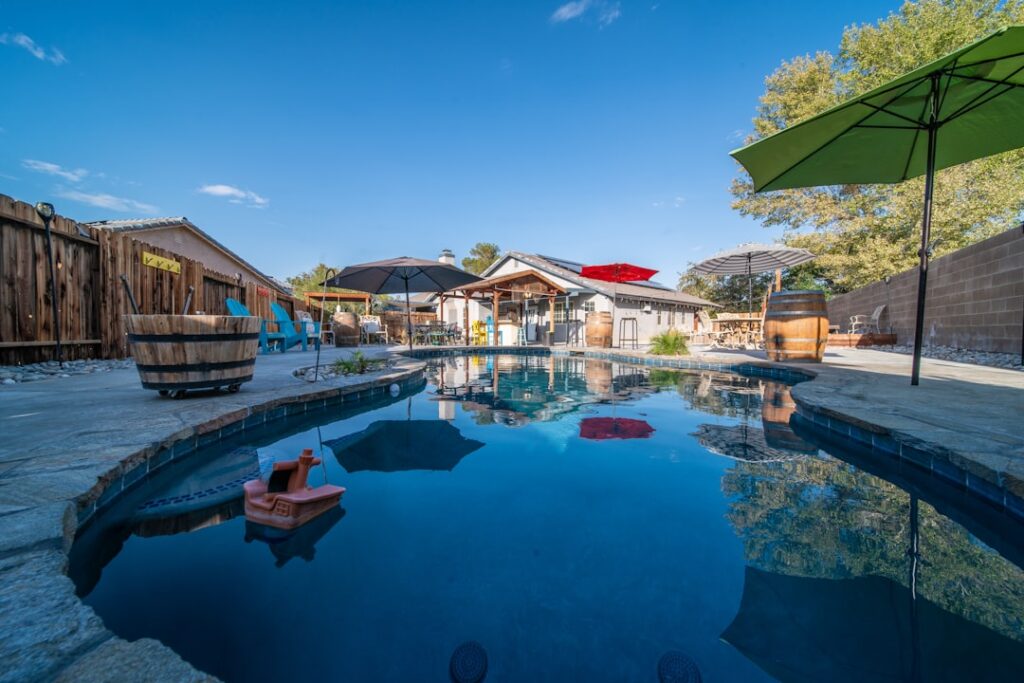
A pool that looks crystal clear from the deck can hide a layer of fine silt and debris on the floor that no skimmer will ever catch. That is the job of in ground pool vacuums, and choosing the right type makes the difference between spending 20 minutes a week on cleanup and battling cloudy water all summer. The catch is that “pool vacuum” covers three very different technologies, each with its own price, effort level, and ideal pool. Pick the wrong one and you either overpay or end up pushing a manual head around every weekend.
This guide explains the main types, what to look for, and how to keep any vacuum running well.
The Three Main Types of Pool Vacuums
Before comparing brands, understand the categories. Nearly every in-ground pool cleaner falls into one of these:
- Manual vacuums: A vacuum head and pole you push by hand, connected to the skimmer by a hose.
- Automatic suction-side and pressure-side cleaners: Powered by your pool’s existing pump or a booster pump, they roam on their own.
- Robotic cleaners: Self-contained units with their own motor and filter that plug into a standard outlet.
Each suits a different budget and tolerance for hands-on work. Here is how they stack up.
Manual Pool Vacuums
The manual vacuum is the simplest and cheapest option, often under $50 for the head and hose. You attach the hose to your skimmer or a dedicated suction port, prime it to remove air, and slowly guide the head across the pool floor in overlapping strokes. The pool’s filtration system pulls debris through the hose and into the filter.
Manual vacuuming gives you total control, which is ideal for spot-cleaning a pile of leaves or scrubbing a stubborn area. The downside is obvious: it is labor. Plan on 20 to 40 minutes depending on pool size, and you will be doing it weekly. Many owners keep a manual kit on hand even when they own an automatic cleaner, simply for targeted cleanups.
Automatic Cleaners: Suction-Side vs Pressure-Side
Automatic cleaners do the roaming for you by tapping into your pool’s plumbing. They split into two camps.
Suction-Side Cleaners
These connect to your skimmer or suction line and use the pump’s existing suction to crawl the pool, sending debris into the pump basket and filter. They are affordable, typically $150 to $400, and simple. The tradeoff is added strain on your filter and pump, plus they can struggle with larger debris.
Pressure-Side Cleaners
Pressure-side units run off the return line, often with a separate booster pump, and trap debris in their own onboard bag rather than your filter. That keeps your filter cleaner and handles bigger debris like acorns and pebbles. They cost more, roughly $300 to $700, and may require installing a booster pump.
Robotic Pool Cleaners
Robotic cleaners are the premium choice and, for many owners, the best value over time. Each unit is fully independent: it plugs into a standard GFCI outlet, runs its own motor and internal filter, and uses smart navigation to map and scrub the entire pool, including walls and the waterline. Because it does not rely on your pool pump, it puts zero extra load on your filtration system and even saves energy.
Expect to pay $500 to $1,500. In return you get the least hands-on cleaning, the best scrubbing power, and the finest filtration, capturing particles other cleaners miss. The main maintenance task is rinsing the internal filter basket after each cycle. For owners who want to set it and forget it, a robotic cleaner is hard to beat.
What to Look for When Buying
Whatever type you choose, weigh these factors:
- Pool size and shape: Larger or oddly shaped pools benefit from robotic units with smart navigation.
- Debris type: Fine sand and silt favor good filtration; heavy leaf load favors pressure-side bags or large-capacity robots.
- Pool surface: Match wheels, tracks, or brushes to gunite, vinyl, or fiberglass to avoid scuffing.
- Energy use: Robotic and modern variable-speed-compatible cleaners run far cheaper than older booster-pump setups.
- Cord or hose length: Make sure it reaches the deepest, farthest corner of your pool.
Keeping Your Vacuum Working Well
A cleaner only performs as well as it is maintained. Empty and rinse filter bags or baskets after every cycle so suction stays strong. Check hoses and connections for cracks or air leaks that kill performance, and store the unit out of direct sun, since UV degrades the plastic and rubber over a few seasons. For robotic models, rinse the filter cartridges and inspect the brushes for wear.
Pair any vacuum with consistent water chemistry and regular skimming. A cleaner is meant to handle settled debris, not compensate for an unbalanced, algae-prone pool.
When and How Often to Vacuum
Even the best cleaner works best on a schedule. Most in-ground pools benefit from vacuuming once or twice a week during swimming season, with extra passes after a storm, a pollen surge, or a backyard party that drops debris into the water. Vacuum in the morning before the day’s swimmers stir up settled dirt, and brush the walls and steps first so the cleaner can pick up what you loosen. For automatic and robotic units, set a routine cycle so the floor never accumulates more than a thin layer of silt between cleanings.
If your pool develops algae, a manual vacuum set to “waste” mode lets you pull the dead algae straight out of the pool rather than recirculating it through the filter, which is faster and keeps your filter from clogging. Knowing this trick saves a frustrating cleanup after a green-water episode.
The Bottom Line
If you want the lowest upfront cost and do not mind the weekly workout, a manual vacuum gets the job done. Automatic suction- and pressure-side cleaners strike a middle ground, doing the roaming while leaning on your existing equipment. For the best cleaning with the least effort, a robotic cleaner is the standout, scrubbing floors, walls, and waterline on its own while sparing your filter. Match the type to your pool size, debris, and budget, and clear water becomes a weekly habit rather than a battle.