If you’ve ever killed a houseplant by overthinking it, the dracaena is your redemption arc. An indoor dracena plant tolerates low light, forgives the occasional missed watering, and actively filters formaldehyde and benzene from your air, which is why NASA included it in its famous Clean Air Study. The catch is that this tough plant has one genuine weakness: it’s extremely sensitive to the fluoride and chlorine in ordinary tap water. Get the watering right and a dracaena will reward you with years of dramatic, architectural foliage for under $30 at most garden centers.
Part of our Windows & Doors guide — explore the full guide →
Meet the Dracaena Family
Dracaena isn’t a single plant but a genus of more than 100 species, and a handful dominate the houseplant market. Knowing which one you own helps you tailor its care.
- Dracaena marginata (Dragon Tree): Thin, spiky red-edged leaves on slender trunks; grows 6 feet tall indoors.
- Dracaena fragrans (Corn Plant): Broad, glossy leaves with a yellow central stripe; the classic office plant.
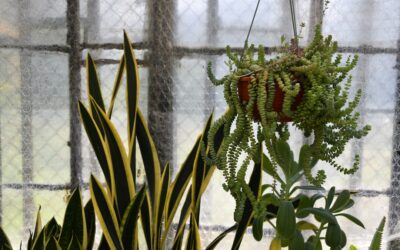
- Dracaena trifasciata (formerly Sansevieria, the Snake Plant): Stiff vertical leaves, nearly indestructible.
- Dracaena reflexa (Song of India): Bushy, variegated yellow-green foliage.
All of them share the same basic care needs, so the advice below applies whether you’ve got a towering dragon tree or a compact corn plant on your desk.
Getting the Light Right
Dracaenas prefer bright, indirect light, the kind you’d find a few feet back from an east- or north-facing window. That said, they’re famously adaptable and will survive in low-light corners where most plants sulk, which makes them ideal for offices and interior rooms.
Avoid harsh, direct afternoon sun. Those rays scorch the leaves, leaving brown, crispy patches that won’t heal. If you notice the variegated stripes fading to plain green, your plant is reaching for more light, so move it closer to a window. Rotate the pot a quarter turn each week so it grows evenly instead of leaning toward the glass.
Watering Without Killing It
More dracaenas die from overwatering than from any other cause. These plants want their soil to dry out between drinks. Stick your finger 2 inches into the soil; if it’s still damp, wait. In a typical home, that usually means watering every 10 to 14 days, less in winter.
Here’s the part that surprises people: dracaenas are sensitive to fluoride and chlorine. Tap water in many US cities contains both, and over time they cause the telltale brown leaf tips this plant is known for. Use filtered water, distilled water, or rainwater, or simply leave tap water out overnight so the chlorine evaporates before you pour. Always empty the saucer afterward, since standing water rots the roots fast.
Humidity, Temperature, and Soil
As a tropical native, the dracaena likes warmth and moderate humidity. Keep it in a room that stays between 65°F and 78°F, and away from cold drafts and heating vents, sudden temperature swings drop leaves quickly. Anything below 55°F can damage the plant.
Average household humidity suits it fine, but in bone-dry winter air you may see brown tips creep in. A weekly misting or a nearby pebble tray with water helps. For soil, use a well-draining peat-based potting mix and a pot with drainage holes, that combination is non-negotiable. A 50/50 blend of standard potting soil and perlite works well and costs only a few dollars to mix yourself.
Feeding and Pruning
Dracaenas aren’t heavy feeders. A balanced liquid houseplant fertilizer diluted to half strength, applied once a month from spring through early fall, is plenty. Skip feeding entirely in winter when growth naturally slows. Over-fertilizing causes salt buildup that, you guessed it, browns the leaf tips.
Pruning is where dracaenas shine. If your plant gets leggy or too tall, cut the main cane at any height with clean, sharp shears. New growth sprouts just below the cut within a few weeks, giving you a fuller plant. Better yet, those cuttings root easily: stick a 6-inch section in water or moist soil and you’ll have a brand-new free plant in a month or two.
Troubleshooting Common Problems
Most dracaena complaints trace back to water or light, and the leaves tell you exactly what’s wrong if you read them.
- Brown leaf tips: Fluoride or chlorine in tap water, or low humidity. Switch to filtered water.
- Yellowing leaves: Usually overwatering. Let the soil dry further between waterings.
- Drooping or soft stems: Root rot from soggy soil. Repot in fresh, dry mix and trim mushy roots.
- Brown spots with crispy edges: Too much direct sun. Move the plant back from the window.
- Sticky leaves or fine webbing: Pests like spider mites or scale. Wipe leaves down and treat with neem oil.
One important safety note for pet owners: dracaenas are toxic to cats and dogs. The leaves contain saponins that cause vomiting and drooling if chewed, so place your plant where curious pets can’t reach it.
Repotting and Choosing the Right Container
Dracaenas actually prefer to be a little root-bound, so resist the urge to size up every spring. Most only need repotting every two to three years, and the giveaway is roots circling the surface or poking out the drainage holes. When you do move up, go just one pot size larger, from a 6-inch to an 8-inch diameter, for example. Jump too big and the extra soil holds water the roots can’t use, which invites the root rot this plant is prone to.
Container material makes a real difference. A terracotta pot, which runs $8 to $15, breathes and wicks moisture away, a forgiving choice if you tend to overwater. Glazed ceramic and plastic hold water longer and suit drier homes or forgetful waterers. Whatever you pick, drainage holes are mandatory. A top-heavy 5-foot dragon tree also needs a heavy, wide-based pot so it doesn’t topple, so factor stability in once your plant clears 3 feet.
Why It’s Worth the Spot in Your Home
Few houseplants deliver this much payoff for so little effort. An indoor dracena plant cleans your air, adds bold vertical structure to a room, propagates for free, and shrugs off the neglect that kills fussier species. Give it filtered water, indirect light, and well-draining soil, and you’ll have a striking, low-maintenance companion that grows alongside you for a decade or more.