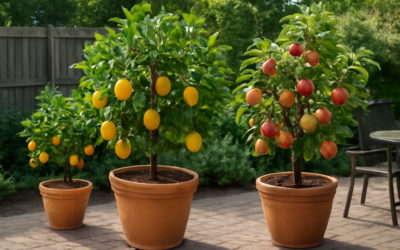
The dream of harvesting your own limes for a Friday-night gimlet is exactly why citrus houseplants sell out every February at the big-box garden centers. The reality is that most homeowners kill them by July. An indoor lime tree is not a difficult plant once you understand citrus biology, but it punishes any one of three rookie mistakes – too little light, inconsistent watering, or wrong soil pH – faster than almost any other houseplant. The good news is that with the right setup, a single 4 ft Bearss or Kaffir lime can produce 30-60 fruits a year on a sunny living-room corner.
Part of our Windows & Doors guide — explore the full guide →
- Picking the Right Variety for Indoors
- Light: The One Variable That Cannot Be Faked
- Pot, Soil, and the pH That Matters
- Watering Schedule That Prevents Root Rot
- Fertilizer: Citrus Are Heavy Feeders
- Flowers, Pollination, and Actually Getting Fruit
- Pests, Diseases, and the Winter Slump
- Pruning, Repotting, and Long-Term Health
Picking the Right Variety for Indoors
Not every lime tree adapts to container life. Stick with proven indoor performers:
- Key lime (Citrus aurantiifolia) – small fruit, intense flavor, naturally compact
- Bearss/Persian lime – the classic supermarket lime, vigorous and self-pollinating
- Kaffir lime – prized for leaves more than fruit, easy indoor grower
- Australian finger lime – high-end “caviar lime,” slow but rewarding
- Calamondin – technically a lime-orange cross, the toughest indoor citrus
Buy a 2 to 3-year-old grafted plant from a reputable citrus nursery (Four Winds Growers, Logee’s, or Stan McKenzie). Skip the seed-grown novelty plants; they take 7-10 years to fruit and rarely produce true to type.
Light: The One Variable That Cannot Be Faked
Citrus needs at least 8 hours of direct sun daily to set fruit. A south-facing window in a US northern climate will not deliver that from October through March. The honest answer for most homeowners is to supplement with a grow light. A 30-40 watt LED full-spectrum panel suspended 18-24 inches above the canopy, run on a timer for 12-14 hours a day, makes the difference between a green decorative plant and a productive fruiting tree.
If you have a sunroom or three-season porch with full sun and the ability to keep nights above 50 degrees F, the supplement may be unnecessary. For a typical great-room window, plan on it.
Pot, Soil, and the pH That Matters
Container size matters less than drainage and soil chemistry. Start with a 14-16 inch terra cotta or fabric pot for a 3-year-old tree. Citrus despises wet feet. Use a fast-draining mix – 50 percent quality potting soil, 30 percent coarse perlite, 20 percent pine bark fines. Pre-mixed citrus blends from Espoma or Jiffy work fine and run about $12-$18 per 1.5 cubic feet.
Soil pH should sit between 5.5 and 6.5. Anything above 7.0 locks out iron and manganese, and the leaves yellow between the veins. Test annually with a $15 soil meter. If pH drifts high, top-dress with elemental sulfur at 1 tablespoon per gallon of pot volume.
Watering Schedule That Prevents Root Rot
Overwatering kills more indoor citrus than any pest or disease. The rule is simple: water deeply when the top 2 inches of soil are dry, then let the pot drain completely. In a 14-inch pot under typical indoor conditions, that means roughly every 5-7 days in summer and every 10-14 days in winter. The leaves will tell you – mild leaf curl means the tree is thirsty; yellowing inner leaves with damp soil means it is drowning.
Always lift the pot to gauge weight after watering and again before the next round. The weight difference is the most reliable moisture meter you will ever own.
Fertilizer: Citrus Are Heavy Feeders
Indoor lime trees burn through nitrogen, magnesium, and micronutrients faster than most houseplants. A purpose-formulated citrus fertilizer is non-negotiable. Two reliable options:
- Espoma Citrus-tone (5-2-6) – organic granular, every 2 months March through October
- Jack’s Citrus FeED (20-10-20) – liquid, 1 tsp per gallon every 2 weeks during active growth
Stop fertilizing entirely from November through February. The tree slows photosynthesis with shorter days, and feeding through dormancy salts up the pot and burns roots. A spring repot or soil top-up restarts the cycle.
Flowers, Pollination, and Actually Getting Fruit
The first time your tree blooms – usually a 3 to 4-year-old grafted plant in early spring – you will smell the citrus blossoms before you see them. Bearss and Key limes are self-pollinating but indoor plants lack wind and bees. Hand-pollinate by running a small artist’s brush between flowers daily during bloom. Expected fruit set is 5-10 percent of the flowers; that is normal, not a failure. A healthy 4 ft potted tree carrying 8-12 mature limes is doing its job.
Fruit takes 6-9 months to ripen. Limes are usually picked green, but for peak juice volume, wait until you can press the skin and feel slight give.
Pests, Diseases, and the Winter Slump
Indoor citrus get four common pests: scale, spider mites, mealybugs, and fungus gnats. Inspect monthly with a flashlight, focusing on the undersides of leaves and the leaf-stem joints. Insecticidal soap (Safer or Bonide) handles light infestations. For heavier scale, neem oil at 2 tablespoons per gallon of water sprayed every 7 days for three rounds usually clears it.
The classic winter problem is leaf drop. A few yellowing and dropping leaves between November and February are normal stress responses to lower light. Mass leaf drop signals real trouble – check for root rot, sudden cold drafts, or hot dry air from a forced-air vent. Move the tree to a stable 60-70 degree F spot, cut watering to bare minimum, and wait for spring. Most indoor lime trees that look dead in February push fresh growth by April.
Pruning, Repotting, and Long-Term Health
An indoor lime tree benefits from light annual pruning in late winter, just before the spring growth flush. Remove crossing branches, water sprouts (vertical shoots growing straight up from main scaffold limbs), and any dead or broken twigs. Keep the canopy open enough that light reaches the interior leaves; a dense ball-shaped canopy means thinner inner foliage and fewer flower clusters. Repot every 2-3 years into a pot 1-2 inches larger in diameter, refreshing roughly 30 percent of the soil and trimming any circling roots with clean pruners. The best time to repot is early spring just before bud break. With diligent pruning, repotting, and the right light-plus-feeding regimen, a Bearss or Key lime grown from a 3-year-old grafted nursery start can produce reliable harvests for 25-40 years – long enough to outlast most kitchen renovations.