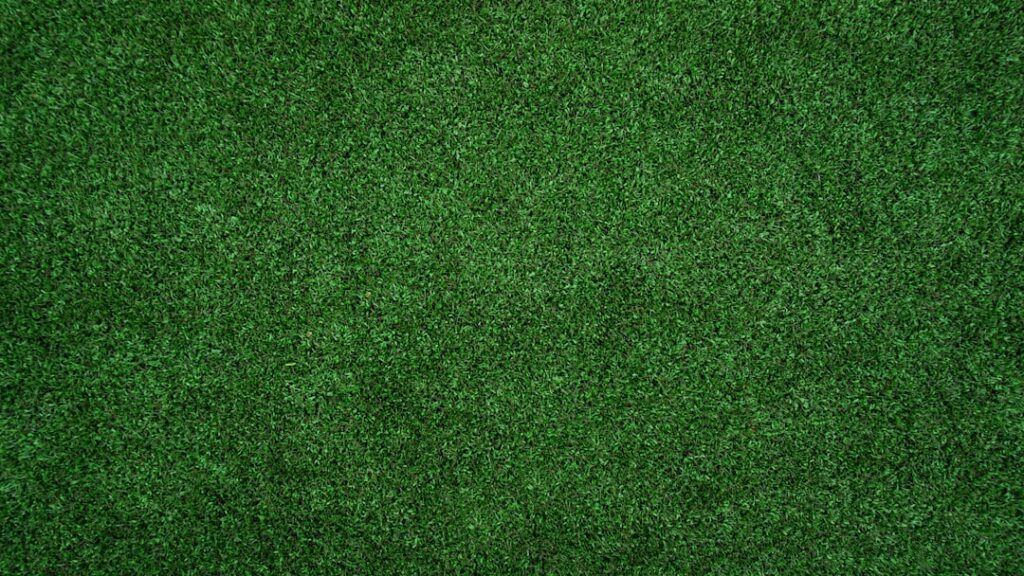
Concrete patios, wobbly deck boards, and muddy play areas all share the same fix, and it comes on a roll. Indoor outdoor grass carpet lays down a soft, green, all-weather surface that looks like turf, drains like an outdoor product, and holds up to sun, rain, and foot traffic without rotting or fading quickly. It has become a go-to for balconies, pool surrounds, sunrooms, dog runs, and basements, giving you the look of grass with none of the mowing.
Before you buy, it helps to know the difference between basic grass carpet and premium landscape turf, how to install it so water drains properly, and what it realistically costs. Get those pieces right and you end up with a comfortable, low-maintenance surface that lasts many seasons.
What Grass Carpet Actually Is
Grass carpet is an outdoor-rated synthetic surface, usually made from polypropylene, polyethylene, or nylon fibers bonded to a permeable backing. That backing is the key detail, because holes let rainwater pass through instead of pooling on top. The fibers are UV-stabilized to resist fading, and the whole product is built to handle temperature swings that would destroy an indoor carpet.
There is a spectrum of quality. On the budget end, short-pile ribbed grass carpet reads more like a colored outdoor rug and works well on patios and porches. At the higher end, longer-pile landscape turf with a realistic blade shape and infill mimics a real lawn and suits larger yard installations. Choosing between them comes down to how natural you want it to look and how much traffic it will take.
Once your patio flooring is in place, think about how you’ll use the space. A gazebo adds shade and structure, while a good outdoor furniture set turns it into a spot you’ll actually want to hang out in. A deck box is also worth considering if you need somewhere to stash cushions and outdoor gear.
We may earn a commission when you purchase through our links.
Where It Works Best
The versatility is the whole appeal. Because it tolerates moisture and sun, you can put it in places ordinary carpet would never survive:
- Patios, decks, and balconies that need softer footing
- Pool and hot tub surrounds where you want grip and comfort
- Dog runs and pet areas that rinse clean easily
- Sunrooms, screened porches, and basements
- Play areas, putting greens, and event spaces
On a deck, it hides weathered boards and cushions bare feet. Around a pool, the permeable backing lets splashed water drain instead of turning the surface into a slip hazard. For pet owners, it rinses down with a hose and dries quickly.
What It Costs
Grass carpet is one of the more affordable outdoor surfacing options. Basic ribbed grass carpet runs about $1 to $3 per square foot, while realistic landscape turf ranges from $3 to $8 per square foot depending on pile height and density. Rolls commonly come in 6-foot and 12-foot widths, which keeps seams to a minimum on typical patios.
Add in adhesive, seaming tape, and any infill for turf-style products, and a small patio project often lands under a few hundred dollars in materials. Because installation is DIY-friendly on hard surfaces, many homeowners skip labor costs entirely, though a professional install for a large yard adds a few dollars per square foot.
Installing It the Right Way
Good installation is mostly about a clean base and proper drainage. On a hard surface like concrete or a deck, sweep and clean thoroughly, then let it dry. Roll out the grass carpet and let it relax for a couple of hours so it lies flat and the creases settle. Cut it to fit with a sharp utility knife from the backing side, following the edges of the space.
For a permanent install, bond the carpet with outdoor double-sided tape or a compatible outdoor adhesive around the perimeter and along any seams, keeping the pile direction consistent so seams disappear. Make sure the backing’s drainage holes are not blocked and that the surface underneath slopes to shed water. Over soil, you first excavate, add a compacted gravel base, and lay landscape fabric before rolling out turf, which prevents weeds and gives water somewhere to go.
Care and Longevity
Maintenance is refreshingly simple. Hose off dust and debris as needed, and rinse pet areas regularly to keep them fresh. Loose leaves and dirt sweep or blow away easily, and most stains lift with mild soap and water. Because the fibers are UV-treated, quality grass carpet resists fading, though very cheap products will lighten faster in intense sun.
Expected life ranges from about 5 years for budget grass carpet to 10 or 15 years for premium landscape turf that is properly installed and maintained. Keep it draining freely, brush the pile upright occasionally on longer turf, and move heavy furniture around now and then to avoid permanent matting. Handled this way, indoor outdoor grass carpet delivers a soft, green, worry-free surface that turns hard or muddy areas into comfortable living space you can enjoy year-round.
Choosing the Right Pile and Color
Not all green is the same, and the realism of grass carpet comes down to pile height and color blending. Very short, uniform ribbed products read clearly as an outdoor rug, which is fine for a patio or porch where you are not trying to fool anyone. If you want the surface to pass for real lawn, look for landscape turf with a blade height around three-quarters of an inch to an inch and a half, plus a mix of green shades and a tan or brown thatch layer at the base that mimics the look of natural grass.
Denser face weight also signals better quality and a more cushioned, resilient feel underfoot. A dense turf springs back after traffic and resists the flattened, matted look that plagues cheap products in walkways. If children or pets will use the area heavily, spending a little more on density pays off in both appearance and lifespan, since sparse budget turf shows wear paths within a season or two.
Drainage and Common Mistakes
The single most common installation error is ignoring drainage. Grass carpet with a permeable backing only works if water has somewhere to go, so laying it over a flat surface that already ponds will trap moisture and breed mildew and odor. On a patio, confirm the concrete slopes to drain, and never seal the edges so tightly that water is trapped beneath the backing. Over soil, the compacted gravel base is what carries water away, so do not skip it to save time.
Another frequent misstep is failing to secure the perimeter, which leaves edges that curl, trip people, and let wind lift the whole piece. Use proper outdoor adhesive or landscape staples around the entire border, and seam pieces carefully with the pile running the same direction so the joints disappear. Take the time to let the material relax flat in the sun before cutting, since installing it while it is still curled from the roll guarantees wrinkles you will fight forever.