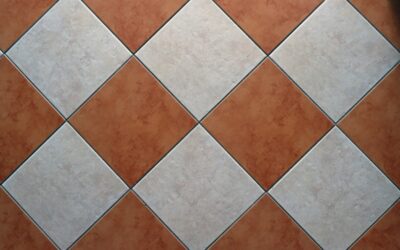
Standard household tile cleaners brighten the surface but leave the porous grout untouched, which is why a freshly mopped floor still looks dingy. Restoring grout to its original color requires chemistry, not scrubbing. An industrial grout cleaner attacks soap scum, mineral deposits, and embedded soil at the molecular level using either alkaline detergents, acid demineralizers, or oxygen-based bleaches. Picking the right type depends on grout color, tile material, and what you are actually trying to remove. Apply the wrong chemistry and you can permanently damage natural stone, etch porcelain glaze, or set the staining you were trying to remove.
Part of our Tile & Grout guide — explore the full guide →
Get the chemistry right and 90 percent of dirty grout returns to factory color in a single application.
Understanding Grout Chemistry
Sanded and unsanded cementitious grouts are alkaline materials with a natural pH around 11 when cured. Acidic cleaners react with the cement matrix, which is why citric acid, phosphoric acid, and muriatic acid demineralize grout and can etch tile glaze if left too long. Alkaline cleaners, by contrast, dissolve organic soils like grease, body oils, and food residue without attacking the grout itself.
Epoxy grouts like Mapei Kerapoxy and Laticrete Spectralock behave differently. They resist acid attack and tolerate aggressive cleaners. Cementitious grout, the kind used in 95 percent of residential installs, needs gentler chemistry for routine cleaning and stronger formulas only for restoration.
Alkaline Cleaners for Daily and Weekly Use
Alkaline industrial cleaners run pH 10 to 13 and excel at degreasing kitchens and bathrooms. The workhorse pick is Spartan Damp Mop Neutral Cleaner ($45 per gallon), used at 1 to 2 ounces per gallon of water for general cleaning. For grime that needs more punch, step up to Spartan Clean by Peroxy or Diversey Stride Citrus HC at 4 ounces per gallon.
For unsealed grout joints in kitchens, Zep Heavy-Duty Citrus Degreaser ($24 for 1 gallon at Home Depot) cuts grease that builds up around the range. Dilute 1:10 with water, spray, let dwell 5 minutes, then scrub with a Libman tile and grout brush. Rinse thoroughly.
Acidic Cleaners for Hard Water and Mineral Buildup
Hard water leaves calcium carbonate deposits in shower grout that no amount of alkaline scrubbing removes. Acidic cleaners dissolve these mineral deposits but require careful handling. CLR Calcium Lime Rust Remover ($8 per 28 ounce bottle) uses lactic and gluconic acids at pH 2.5. Apply with a brush, dwell 2 minutes, scrub, and rinse within 5 minutes of application.
Stronger acidic cleaners include sulfamic acid blends like ProSoCo Restoric Restoration Cleaner ($95 per gallon) and phosphoric acid blends like Aqua Mix NanoScrub ($45 per quart). NanoScrub uses microabrasive particles plus mild acid and is the only industrial cleaner safe on polished marble and travertine for routine use.
Never use muriatic acid on residential grout. The vapors damage drywall, fixtures, and your lungs. Industrial restoration crews use diluted muriatic for severe mineral buildup, but the OSHA exposure limit is 5 ppm and homeowners cannot safely meet that requirement.
Oxygen-Based Cleaners for Stains
For stained grout that has darkened from food spills, mildew, or general soil, oxygen bleach is the safest restoration chemistry. Sodium percarbonate, marketed as OxiClean Versatile ($14 for 3 pounds at Walmart) or BioRenew at Home Depot, dissolves into oxygen and sodium carbonate in water. The oxygen lifts stains while the alkalinity loosens soil.
Mix one-quarter cup OxiClean per gallon of hot water. Pour or brush onto grout, dwell 15 to 30 minutes, scrub, and rinse. The dwell time is the active ingredient. Skipping it leaves stains in place. For deep restoration, apply, cover with plastic to slow evaporation, and let work for an hour.
Oxygen bleach is safe on colored grout, stone, glazed tile, and most epoxy grouts. It is the first cleaner to try on unknown surfaces.
Brand-Specific Picks for Common Problems
Several professional products outperform generic options:
- Aqua Mix Heavy Duty Tile and Grout Cleaner ($35/quart): Alkaline degreaser, pH 12, safe on most surfaces.
- Miracle Sealants Tile and Stone Cleaner ($24/quart): Neutral pH 7.5, the maintenance cleaner after restoration.
- Stonetech Klenz-All ($28/quart): Heavy-duty alkaline, safe on natural stone, includes wetting agent for porous surfaces.
- Bona PowerPlus Hard-Surface Floor Cleaner ($16/quart): Hydrogen peroxide based, removes stains while neutral on grout.
- Tilex Mold and Mildew Remover ($6/32 oz): Sodium hypochlorite at pH 12, kills mildew but bleaches colored grout permanently.
Choose based on the worst soil present and the most sensitive surface. The most sensitive surface always wins. A polished marble shower never sees acidic cleaner regardless of what is on the grout.
Application Tools That Matter
A grout brush is mandatory. Skip the toothbrush. Libman 506 Grout Brush ($5) and Pulex SnapHandle Grout Brush ($14) have stiff nylon bristles set in a narrow head that fits joint widths from 1/8 to 1/4 inch. For floor work, the Hyde Grout Brush with a 48-inch handle ($28) saves your knees.
For large jobs, a rotary tile scrubber like the Drillbrush Power Scrubber attached to a cordless drill cuts labor by 70 percent. The medium-bristle attachment ($18 set of three) handles grout without damaging tile glaze. Use at 600 to 1,200 RPM.
For severe restoration, a steam cleaner like the Mc Culloch MC1275 ($165) loosens deeply embedded soil ahead of chemical cleaning. Steam alone does not clean grout, despite marketing claims, but it accelerates chemical action.
Safety and PPE
Industrial cleaners require real protection. Wear nitrile gloves (Microflex Supreno SE, $25 per box of 100), splash-rated eye protection like Uvex Stealth goggles ($16), and a half-face respirator with acid gas cartridges (3M 6300 with 60923 cartridges, $42) when using acidic products in unventilated bathrooms.
Cross-ventilation matters. Open a window, run an exhaust fan, and never mix products. Combining sodium hypochlorite bleach with any acid releases chlorine gas, which has caused multiple residential fatalities. The Tilex plus CLR combination is the deadliest accidental mix in bathroom cleaning.
Sealing After Cleaning
Newly cleaned grout is porous and absorbs stains immediately. Reseal within 48 hours of cleaning. Aqua Mix Sealer’s Choice Gold ($32 per quart) or Miracle 511 Impregnator ($45 per quart) are both penetrating sealers that protect for 3 to 5 years.
Apply two thin coats with a foam brush or sponge applicator. Wipe excess off the tile surface within 5 minutes of application. Cure 24 hours before walking on the surface and 7 days before exposure to water.
Building a Maintenance Routine
After restoration, daily and weekly cleaning protects the investment. Use a neutral pH cleaner for routine mopping. Avoid Lysol All-Purpose Cleaner and Pine-Sol on sealed grout, both of which degrade penetrating sealers over time. A diluted oxygen cleaner once a month maintains color without aggressive chemistry.
An industrial grout cleaner used the right way can save thousands compared to regrout and tile replacement. The chemistry is unforgiving but the results are dramatic when you match formula to surface and follow the dwell-time instructions on the label.