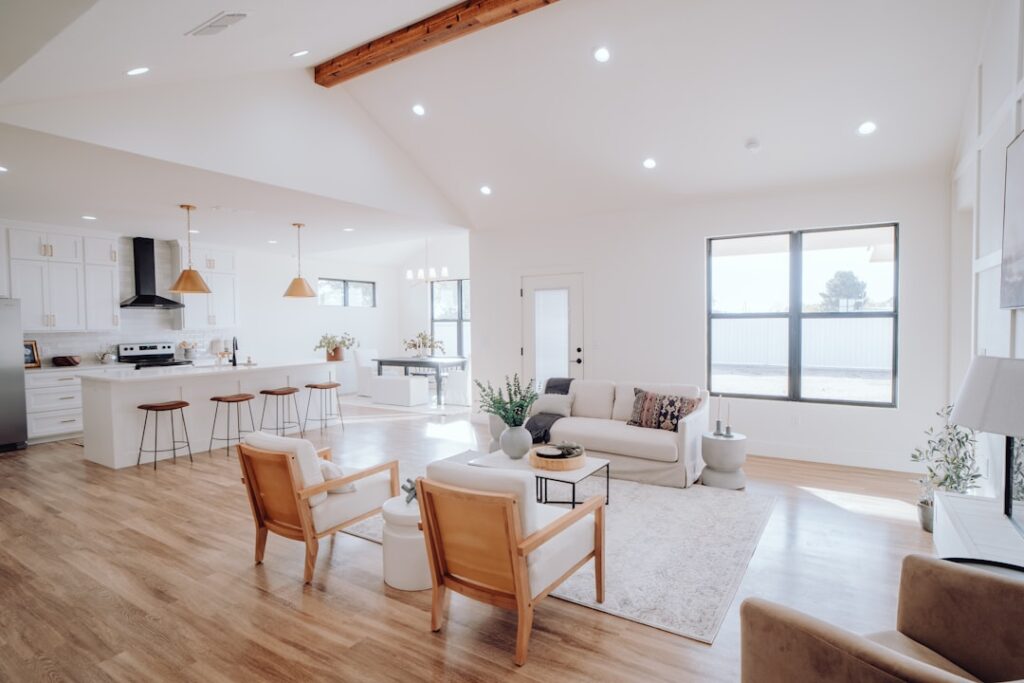
Choosing the floor is one of the biggest decisions in any home project, and it is easy to feel overwhelmed by the sheer number of materials, price ranges, and marketing claims. The right interior flooring balances how a room is used, how much traffic it sees, your budget, and the look you want. No single material wins every room, which is why smart homeowners match the flooring to the job. This guide compares the major options so you can choose with confidence.
How to Approach the Decision
Before falling for a particular look, think through how each room functions. A busy entryway that takes wet boots has different needs than a quiet bedroom. Ask yourself a few questions: How much foot traffic does the space see? Will it get wet? Do you have pets or young kids? What is your realistic budget per square foot, installed? The answers steer you toward the right material far more reliably than a showroom sample ever could.
Total cost also matters more than the sticker price of the flooring itself. Factor in underlayment, installation, removal of old flooring, and long-term maintenance. A cheaper floor that wears out or needs constant care can cost more over its life than a durable material installed once.
Hardwood Flooring
Solid and engineered hardwood remain the gold standard for warmth, beauty, and resale value. Wood adds timeless character, can be refinished multiple times over decades, and appeals strongly to buyers. Engineered wood adds a stable plywood core that resists the seasonal expansion of solid planks, making it a better fit over concrete and in humid climates.
The trade-offs are cost and moisture sensitivity. Hardwood runs roughly $6 to $15 per square foot installed and does not belong in bathrooms or wet areas, where standing water can warp and stain it. Softer species dent under heavy furniture and pet claws, though a durable finish helps. For living rooms, bedrooms, and dining rooms, wood is hard to beat.
Luxury Vinyl and Vinyl Plank
Luxury vinyl plank, or LVP, has become one of the most popular choices for good reason. It convincingly mimics wood and stone, resists water completely in many products, and stands up to kids, pets, and heavy traffic. Rigid-core SPC and WPC versions feel solid underfoot and click together for straightforward DIY installation.
- Pros: Waterproof options, durable, comfortable, affordable at $2 to $7 per square foot, and easy to install.
- Cons: Not as prestigious as real wood for resale, can dent under very heavy loads, and cheaper products may fade or show wear sooner.
Vinyl is an excellent all-rounder for kitchens, basements, mudrooms, and busy family spaces where water resistance and durability matter most.
Tile Flooring
Ceramic and porcelain tile are the toughest, most water-resistant common flooring you can buy, which is why they dominate bathrooms, kitchens, and entryways. Porcelain in particular is dense, hard, and nearly impervious to water, and modern tiles convincingly imitate wood, marble, and concrete. Tile lasts for decades and shrugs off spills, pets, and heavy use.
The downsides are comfort and installation. Tile is hard and cold underfoot, which some find unpleasant in living areas without radiant heat, and the grout lines need periodic sealing and cleaning. Professional installation adds cost, with installed prices generally ranging from $7 to $20 per square foot depending on the tile and layout. For wet and high-traffic zones, though, tile is unmatched.
Laminate Flooring
Laminate offers the look of wood at a budget-friendly price, typically $2 to $6 per square foot installed. A photographic layer over a dense fiberboard core is topped with a tough wear layer that resists scratches and fading, making laminate a durable choice for busy homes and a favorite for DIYers thanks to its click-lock installation.
Traditional laminate is sensitive to standing water, which can swell the core, though newer water-resistant products have narrowed that gap. It also cannot be refinished, so once the wear layer is damaged, planks must be replaced. Laminate suits bedrooms, hallways, and living areas where you want the wood look without the wood price.
Carpet
Carpet still owns the category for softness, warmth, and sound absorption, which is why it remains popular in bedrooms and cozy living spaces. It is comfortable underfoot, cushions falls, quiets a room, and comes in endless colors and textures at prices from $2 to $8 per square foot installed.
The obvious drawbacks are cleaning and durability. Carpet traps allergens, stains more easily than hard surfaces, and wears out faster in high-traffic paths. It is a poor choice for wet areas and homes where easy cleanup is a priority. For bedrooms and quiet retreats, though, nothing feels as good.
Matching Flooring to the Room
The smartest approach is to mix materials by function rather than forcing one floor everywhere. Consider this common breakdown:
- Kitchens and bathrooms: Tile or waterproof luxury vinyl.
- Living and dining rooms: Hardwood or high-quality laminate.
- Bedrooms: Carpet or wood, depending on your preference for softness.
- Basements and mudrooms: Waterproof vinyl or tile.
Keeping the color palette and plank direction consistent across open areas ties the home together even when materials change.
Durability and Traffic Ratings
When comparing floors for a busy household, look past appearance to how each material handles daily wear. Tile and porcelain top the durability charts, resisting scratches, dents, and water almost indefinitely. Luxury vinyl and laminate carry a wear-layer rating that indicates how well they resist scratching and traffic; a thicker wear layer, measured in mils for vinyl, holds up better in busy spaces. Hardwood durability depends on the wood species, with harder species like oak and hickory resisting dents far better than soft pine.
Consider your specific stressors. Homes with large dogs need scratch-resistant surfaces like porcelain tile or a high-quality rigid vinyl. Households with kids benefit from waterproof, forgiving materials in play and eating areas. Match the toughness of the floor to the toughest thing your household will throw at it, and you avoid premature wear and early replacement.
Comfort, Warmth, and Sound
How a floor feels and sounds shapes daily life as much as how it looks. Carpet is the warmest and quietest underfoot, absorbing sound and cushioning steps, which is why it remains a bedroom favorite. Cork and luxury vinyl offer a softer, warmer feel than tile or stone, while tile and concrete are hard and cold without radiant heat beneath them.
Sound matters in multi-story homes and apartments, where hard surfaces amplify footsteps to the rooms below. A quality underlayment under laminate or vinyl dampens noise considerably, and area rugs soften hard floors where full carpet is not wanted. If you are installing radiant floor heating, tile and stone conduct and hold heat beautifully, turning their natural coldness into a strength. Weighing comfort, warmth, and acoustics alongside durability leads to a floor you will enjoy living on, not just looking at.
Choosing the Right Interior Flooring for Your Home
The best interior flooring is the one that fits how you actually live. Prioritize water resistance in wet rooms, durability in busy areas, and comfort where you relax. Weigh the installed cost and long-term upkeep, not just the price per square foot, and do not be afraid to combine materials for the best result in each space. Get samples, view them in your own light, and match the floor to the room, and you will end up with flooring that looks great, lasts for years, and earns its keep every single day.
Prefer to explore on your own?
See how new flooring looks in your actual room in seconds — free, no signup.
Try the free Floor Studio →