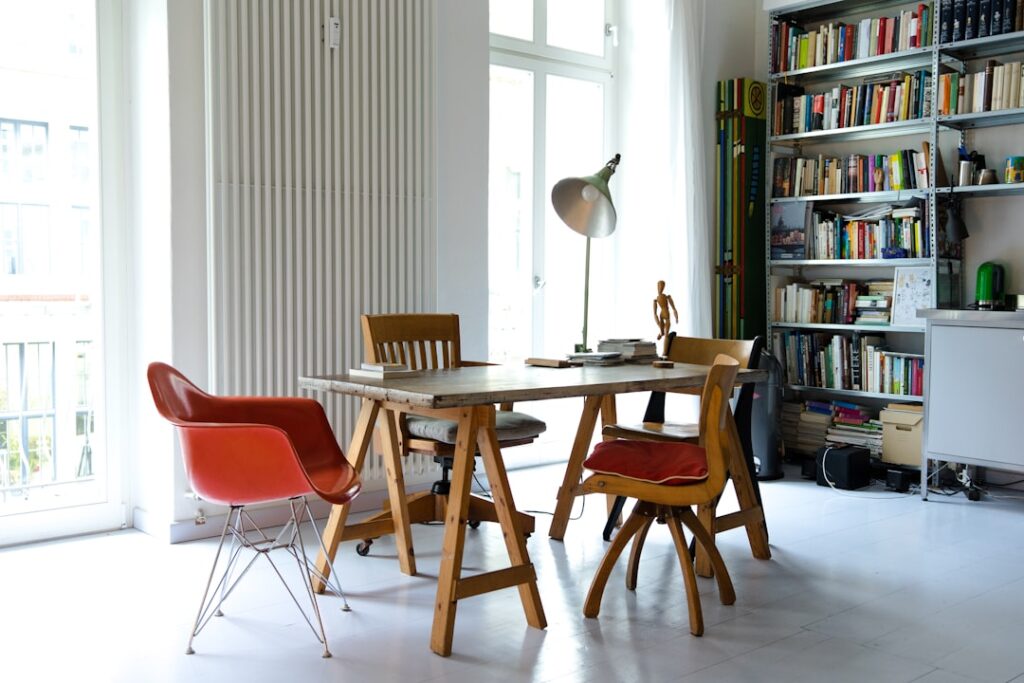
Born from the harmony between Japanese wabi-sabi philosophy and Scandinavian hygge comfort, Japandi interior design has become the most influential aesthetic of the mid-2020s. This style celebrates imperfection, functionality, and the quiet beauty of natural materials — creating spaces that feel both serene and lived-in. In this 2026 guide, we break down the core principles, provide room-by-room inspiration, and share practical tips for achieving the Japandi look at every budget.
What Is Japandi Interior Design?
Japandi is a design hybrid that merges two aesthetics with surprising overlap:
- Japanese wabi-sabi — the appreciation of beauty in imperfection, natural aging, and simplicity. Emphasizes handcrafted objects, organic materials, and mindful restraint
- Scandinavian hygge — the pursuit of cozy comfort through functional design, clean lines, and warm minimalism. Values light, warmth, and democratic (accessible) design
The result is a style that is minimalist without being cold, warm without being cluttered, and intentional without being rigid. Japandi spaces typically feature a restrained color palette, natural materials like wood and stone, handmade ceramics, and a careful balance between empty space and curated objects.
Pinterest reported a 430% increase in Japandi-related searches from 2022 to 2025, and the trend shows no signs of slowing as we move through 2026. Its emphasis on sustainability and mindful consumption aligns perfectly with current consumer values.
7 Core Principles of Japandi Style
- Less is more (but not empty). Every item serves a purpose or brings genuine beauty. Remove the unnecessary, but do not strip a room to the point of feeling sterile
- Natural materials dominate. Wood, stone, linen, cotton, ceramic, and bamboo are the foundation. Avoid synthetic materials and plastic wherever possible
- Embrace imperfection. Handmade pottery with visible irregularities, wood with natural grain variation, and textiles with subtle texture are prized over factory-perfect objects
- Warm neutrals, not stark white. Japandi leans toward warm whites, beiges, soft greens, and muted earth tones rather than the icy whites of pure Scandinavian style
- Clean lines with organic curves. Furniture features simple silhouettes but often incorporates gentle curves and rounded edges
- Function drives form. Every piece of furniture and every design choice serves a practical purpose. Storage is hidden, surfaces are clear, and daily routines are supported by thoughtful design
- Connection to nature. Indoor plants, natural light, nature-inspired colors, and outdoor views are essential elements
The Japandi Color Palette
| Color Category | Specific Shades | Where to Use | Proportion |
|---|---|---|---|
| Base neutrals | Warm white, cream, pale beige | Walls, ceilings, large surfaces | 60-70% |
| Warm earth tones | Clay, terracotta, warm taupe, mushroom | Accent walls, large furniture, rugs | 15-25% |
| Natural greens | Sage, olive, moss, forest | Accent pieces, plants, textiles | 5-10% |
| Deep anchors | Charcoal, ink black, deep indigo | Accents, frames, small furniture | 5-10% |
| Natural wood | Light oak, ash, walnut, bamboo | Flooring, furniture, shelving | Woven throughout |
The key distinction from pure Scandinavian design: Japandi embraces darker tones and warm earth colors rather than relying exclusively on whites and light grays. A Japandi room should feel grounded and calm, like a forest clearing rather than a snow-covered landscape.
Materials & Textures
Material selection is where Japandi design truly distinguishes itself:
- Wood — the most important Japandi material. Light oak, ash, and maple for Scandinavian warmth; dark walnut and kiri (paulownia) for Japanese sophistication. Always display natural grain
- Linen — curtains, upholstery, and bedding in natural, undyed linen embody the aesthetic perfectly. Wrinkles are welcomed, not ironed out
- Ceramic & stoneware — handmade pottery with organic shapes and matte glazes for vases, bowls, and tableware
- Natural stone — marble, travertine, or river stone accents in small doses. Consider a river rock accent in bathrooms
- Bamboo & rattan — lightweight natural materials for light fixtures, baskets, and accent furniture
- Wool & cotton — natural fiber rugs and throw blankets in muted tones add the Scandinavian hygge warmth
- Paper — Japanese shoji-inspired paper screens and lampshades diffuse light beautifully
Best Flooring for Japandi Interiors
Flooring sets the foundation for the entire Japandi aesthetic. Here are the best options ranked:
| Flooring Type | Japandi Rating | Cost per Sq Ft (installed) | Why It Works |
|---|---|---|---|
| Wide-plank light oak | 10/10 | $8-$14 | The quintessential Japandi floor. Warm, natural grain, timeless |
| Engineered white oak | 9/10 | $6-$12 | Same look, more stable, works over radiant heat |
| Natural ash hardwood | 9/10 | $7-$13 | Light color with dramatic grain pattern |
| Bamboo (strand-woven) | 8/10 | $5-$9 | Sustainable, Japanese-inspired material |
| Light-toned LVP | 7/10 | $4-$8 | Budget-friendly with realistic wood look |
| Matte porcelain (wood-look) | 7/10 | $8-$16 | Works in wet areas, maintains clean lines |
| Tatami mats (accent) | 10/10 (accent only) | $15-$40 per mat | Authentic Japanese element for meditation rooms |
The ideal Japandi floor is wide-plank (5-8 inches), light-toned, and finished with a matte or natural oil that showcases the wood’s authentic grain. Avoid high-gloss finishes and overly uniform flooring — slight variations in tone and texture align with the wabi-sabi philosophy.
Japandi Living Room Ideas
The living room is where Japandi style makes its strongest impression. Key elements include:
- Low-profile seating — sofas and chairs with seat heights of 14-16 inches (lower than typical Western furniture at 17-19 inches) create a grounded, Japanese-inspired feel
- Platform or slatted coffee table — natural wood in simple rectangular or round shapes, no more than 16 inches tall
- Minimal wall decor — one or two pieces of art rather than a gallery wall. Ink wash paintings, botanical prints, or abstract earth-toned works suit the style
- Paper or linen pendant light — a single statement pendant in natural material provides warm ambient light
- Indoor plants — 2-4 plants in ceramic or terracotta pots. Bonsai, fiddle leaf figs, snake plants, and pothos are classic Japandi choices
- Natural fiber rug — wool, jute, or cotton in cream, beige, or soft gray. Keep patterns minimal or absent
Japandi Bedroom Ideas
Japandi bedrooms prioritize rest and calm above all else:
- Low platform bed — a wooden platform bed frame (8-12 inches off the floor) is the centerpiece. Headboards are minimal or absent
- Organic linen bedding — neutral tones of white, oatmeal, or soft sage in 100% linen. Layered textures replace bold patterns
- Bedside simplicity — small wooden side tables with a single lamp and perhaps one book or plant. No clutter
- Closet organization — visible clothing storage (open shelving or simple rail) that encourages a capsule wardrobe approach
- Blackout curtains in linen — functional for sleep quality, aesthetic in natural fabric
- Scent element — a ceramic incense holder or essential oil diffuser adds a sensory layer inspired by Japanese tradition
Japandi Kitchen Design
The Japandi kitchen balances Scandinavian functionality with Japanese craftsmanship:
- Flat-panel cabinetry in light wood (oak or ash) or matte white with integrated pulls
- Open shelving displaying handmade ceramics and carefully curated dishware
- Natural stone countertops — honed (matte) finish in white marble, quartzite, or concrete
- Minimal hardware — finger-pull or push-to-open mechanisms maintain clean lines
- Warm lighting — pendant lights in paper, wood, or ceramic over the island or dining area
- Visible kitchen tools — Japanese chef knives on a magnetic strip, cast iron on display, and wooden utensils in a ceramic crock
Furniture Selection Guide
| Furniture Piece | Japandi Characteristics | Budget Option | Investment Option |
|---|---|---|---|
| Sofa | Low, clean lines, linen upholstery, wood frame | $800-$1,500 | $2,500-$6,000 |
| Dining table | Solid wood, simple legs, seats 4-8 | $400-$900 | $1,500-$4,000 |
| Bed frame | Low platform, natural wood, minimal headboard | $300-$700 | $1,200-$3,500 |
| Coffee table | Round or rectangular, wood or stone, low height | $150-$400 | $600-$2,000 |
| Shelving | Open wood shelves, floating, minimal brackets | $50-$200 | $300-$1,000 |
| Side table | Small, round or organic shape, single material | $50-$150 | $200-$800 |
| Dining chairs | Wood frame, woven seat or minimal cushion | $80-$200 each | $300-$800 each |
Look for furniture made from solid wood rather than veneer over particleboard. The natural material quality is not only more authentic to the Japandi philosophy but also ages more beautifully, developing character over time.
Japandi on Every Budget
| Budget Level | Living Room Cost | Key Strategy | Where to Invest |
|---|---|---|---|
| Budget ($1,000-$3,000) | $1,000-$3,000 | Declutter aggressively, paint walls warm white, add 2-3 quality accessories | One handmade ceramic piece, linen throw |
| Mid-range ($5,000-$15,000) | $5,000-$15,000 | Replace key furniture, update flooring, add natural textiles | Solid wood coffee table, quality sofa, natural rug |
| Premium ($15,000-$40,000+) | $15,000-$40,000+ | Full room redesign with premium materials and custom pieces | Hardwood flooring, handcrafted furniture, artisan lighting |
The most important Japandi principle is free: edit ruthlessly. Removing clutter, hiding cords, clearing surfaces, and donating items you do not love will get you 50% of the way to a Japandi look without spending a dollar.
Frequently Asked Questions
Is Japandi still in style in 2026?
Absolutely. Japandi has evolved from a trend into a lasting design movement. Its emphasis on sustainability, natural materials, and mindful living aligns with broader cultural shifts. Designers consistently rank it among the top 3 most requested styles in 2026.
What is the difference between Japandi and minimalism?
Pure minimalism can feel cold and austere, focusing on reducing to the absolute minimum. Japandi adds warmth through natural materials, handcrafted objects, and soft textures. A Japandi room feels inviting and lived-in, while strict minimalism can feel more like an art gallery.
Can Japandi work in a small apartment?
Japandi is ideal for small spaces. Its core principle of “less is more” naturally reduces visual clutter and makes rooms feel larger. Low-profile furniture opens up vertical space, and the light color palette reflects more light. Many Tokyo apartments that inspired the style are under 400 sq ft.
What flooring looks best with Japandi design?
Wide-plank light oak with a matte or natural oil finish is the gold standard for Japandi flooring. Engineered white oak and strand-woven bamboo are excellent alternatives. The floor should look and feel natural, with visible grain and a warm (not orange) undertone.
How do I add color to a Japandi room without breaking the style?
Introduce color through natural elements: green plants, terracotta pots, blue ceramics (a nod to Japanese tradition), and warm wood tones. Avoid bold primary colors. Muted, nature-inspired hues like sage green, dusty blue, and warm clay maintain the Japandi calm.
Where can I buy Japandi-style furniture?
Budget options include IKEA (especially the Stockholm and Vastervik lines), Target (Threshold collection), and Amazon. Mid-range retailers like Article, West Elm, and CB2 offer quality pieces. For investment-grade Japandi furniture, look at Karimoku, Muji, and custom woodworkers who specialize in Japanese joinery.
Last updated: March 2026