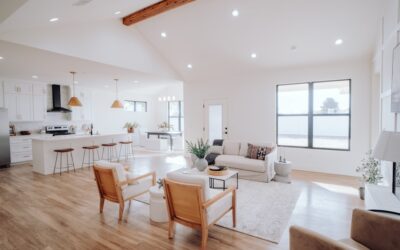
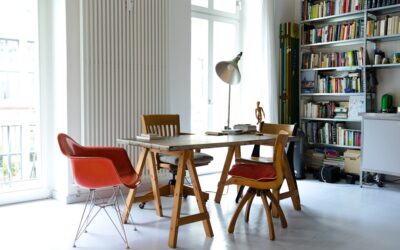
Your living room is the heart of your home — where you unwind, entertain, and spend the most waking hours. Getting your living room design right means balancing style with function, choosing materials that look great and last, and creating a space that reflects your personality. This 2026 guide walks you through layout strategies, trending styles, furniture selection, color palettes, and flooring choices to help you design a living room you will love for years.
- Living Room Layout Principles
- 7 Trending Living Room Styles in 2026
- Color Palettes That Work
- Furniture Selection & Arrangement
- Best Flooring Options for Living Rooms
- Wall Treatments & Accent Ideas
- Living Room Lighting Design
- Small Living Room Design Tips
- Design Budget Guide
- Frequently Asked Questions
- What is the most popular living room style in 2026?
- How do I choose the right sofa size for my living room?
- What living room flooring is easiest to maintain?
- How can I make my living room look expensive on a budget?
- Should I match my living room flooring with the rest of the house?
- What is the best layout for a long, narrow living room?
Living Room Layout Principles
Before choosing a single piece of furniture, you need to understand your room’s architecture. Measure the length, width, and ceiling height, and note the locations of windows, doors, outlets, and any architectural features like fireplaces or built-ins.
The three most effective living room layouts in 2026 are:
- Conversational layout — furniture arranged in a U-shape or facing pairs around a central coffee table. Ideal for socializing. Keep seating within 8-10 feet of each other for comfortable conversation
- Focal-point layout — all furniture oriented toward a primary feature like a fireplace, TV wall, or picture window. The most common arrangement for family rooms
- Zone layout — larger rooms divided into distinct areas for lounging, reading, working, or playing. Use area rugs, furniture backs, and lighting changes to define each zone
Key spacing guidelines: leave 30-36 inches for major walkways, 14-18 inches between sofa and coffee table, and 36-48 inches for doorway clearance.
7 Trending Living Room Styles in 2026
| Style | Key Elements | Color Palette | Flooring Match | Budget Range |
|---|---|---|---|---|
| Japandi | Clean lines, natural wood, minimal decor | Warm neutrals, soft greens | Light oak hardwood | $8,000-$25,000 |
| Quiet Luxury | Premium fabrics, muted tones, subtle textures | Cream, taupe, charcoal | Wide-plank walnut | $15,000-$50,000 |
| Modern Organic | Curved furniture, natural materials, earth tones | Terracotta, sage, cream | Engineered hardwood | $10,000-$30,000 |
| Coastal Contemporary | Light wood, blue accents, airy fabrics | White, navy, sand | Whitewashed oak or LVP | $7,000-$20,000 |
| Mid-Century Modern | Tapered legs, retro shapes, warm woods | Mustard, teal, walnut brown | Medium-tone hardwood | $8,000-$22,000 |
| Industrial Chic | Exposed brick, metal, raw textures | Gray, black, rust | Concrete or dark LVP | $6,000-$18,000 |
| Traditional Updated | Classic silhouettes, modern fabrics | Navy, burgundy, gold | Rich cherry or mahogany | $12,000-$35,000 |
The Japandi style continues to dominate design magazines and social media in 2026, prized for its calm, clutter-free aesthetic that feels sophisticated without being cold.
Color Palettes That Work
Choosing the right color palette creates the mood of your entire living room. Here are five proven combinations for 2026:
- Warm Minimalist — off-white walls (Benjamin Moore Swiss Coffee), warm oak furniture, cream textiles, black metal accents
- Earthy Sophistication — mushroom-toned walls, terracotta accents, olive green upholstery, natural stone accessories
- Cool & Collected — pale blue-gray walls, navy sofa, white trim, brass hardware, natural linen curtains
- Moody Drama — deep charcoal or forest green walls, rich velvet seating, gold accents, dark wood floors
- Sunlit Neutral — bright white walls, sandy beige furnishings, light wood, pops of soft coral or terracotta
Follow the 60-30-10 rule: 60% dominant color (walls and large furniture), 30% secondary color (accent furniture and curtains), and 10% accent color (pillows, artwork, and decorative objects).
Furniture Selection & Arrangement
Your sofa is the most important purchase in living room design. Here is what to consider:
| Sofa Type | Best Room Size | Typical Dimensions | Price Range (Quality) | Lifespan |
|---|---|---|---|---|
| Standard 3-seat | 200-350 sq ft | 80-90″ L x 36″ D | $1,200-$4,000 | 7-15 years |
| Sectional (L-shape) | 300-500 sq ft | 100-120″ x 80-100″ | $2,000-$7,000 | 7-15 years |
| Loveseat | Under 200 sq ft | 55-70″ L x 34″ D | $800-$2,500 | 7-12 years |
| Modular sofa | Any (customizable) | Varies by config | $2,500-$8,000 | 10-20 years |
| Chaise lounge | 250+ sq ft (accent) | 60-70″ L x 30″ D | $600-$2,000 | 10-15 years |
Invest in the best sofa you can afford — it is the piece you use most and sets the design tone. Look for kiln-dried hardwood frames, 8-way hand-tied springs, and high-resilience foam cushions with a density of 2.0+ lbs per cubic foot.
Best Flooring Options for Living Rooms
Flooring covers the largest visible surface in your living room and dramatically impacts the overall design. Here are the top choices for 2026:
| Flooring Type | Cost Installed (per sq ft) | Durability | Comfort Underfoot | Style Versatility |
|---|---|---|---|---|
| Solid hardwood | $8-$15 | 25-100+ years (refinishable) | Moderate | Excellent |
| Engineered hardwood | $6-$12 | 20-50 years | Moderate | Excellent |
| Luxury vinyl plank (LVP) | $4-$8 | 15-25 years | Good (with underlayment) | Very good |
| Porcelain tile | $8-$18 | 50+ years | Hard (use area rugs) | Good |
| Laminate | $3-$7 | 10-20 years | Moderate | Good |
| Carpet | $3-$8 | 5-15 years | Excellent | Limited |
Hardwood flooring remains the top choice for living rooms in 2026, with wide-plank formats (5-7 inches) and matte finishes dominating the market. For budget-conscious homeowners, LVP offers remarkably realistic wood looks at nearly half the cost.
If you are considering tile, explore our guide to wall tiles for living rooms to create a cohesive tile-based design.
Wall Treatments & Accent Ideas
Walls are your largest design canvas. Beyond standard paint, consider these 2026 trending treatments:
- Limewash paint — creates a soft, Old World texture with beautiful depth. Costs $40-$80 per gallon versus $30-$50 for standard paint
- Fluted wood panels — vertical ribbed wood panels add warmth and architectural interest. DIY-friendly at $8-$15 per sq ft
- Natural stone accent walls — thin stone veneer or stacked river rock panels create dramatic texture for $12-$30 per sq ft
- Oversized artwork — a single large piece (40×60″ or bigger) makes more impact than a gallery wall in minimalist spaces
- Board and batten — a classic treatment that adds dimension for $5-$10 per sq ft installed
Living Room Lighting Design
Effective living room lighting uses three layers:
- Ambient (general) — recessed lights, flush-mount fixtures, or a central chandelier providing overall illumination. Aim for 1,500-3,000 lumens for a 250 sq ft room
- Task — reading lamps, desk lights, and under-cabinet lighting for specific activities. Place at arm height (42-48 inches) beside seating
- Accent — picture lights, LED strips, and uplights that highlight architectural features and artwork
Install dimmer switches on all ambient lighting — they cost just $15-$40 per switch and instantly transform the room’s mood from daytime bright to evening relaxed. Choose bulbs in the 2700K-3000K range for a warm, inviting glow.
Small Living Room Design Tips
If your living room is under 200 sq ft, these strategies will make it feel larger:
- Choose furniture with visible legs — exposed legs create visual space beneath furniture, making the room feel airier
- Use a light color palette — white and light neutral walls reflect more light, expanding perceived space by 20-30%
- Select transparent or mirrored pieces — acrylic coffee tables and mirrored surfaces reduce visual bulk
- Hang curtains high and wide — mount rods 4-6 inches above the window frame and extend 8-12 inches beyond each side to make windows appear larger
- Use one large area rug instead of multiple small ones — a single 8×10 or 9×12 rug unifies the space
- Maximize vertical storage — floor-to-ceiling shelving and wall-mounted cabinets keep the floor clear
- Skip the coffee table — use nesting tables or a slim console that takes less visual space
Design Budget Guide
| Category | Budget Refresh | Mid-Range Redesign | Full Renovation |
|---|---|---|---|
| Flooring | $0 (keep existing) | $1,500-$4,000 | $3,000-$10,000 |
| Paint/walls | $150-$400 | $400-$1,500 | $1,500-$5,000 |
| Sofa | $500-$1,200 | $1,500-$4,000 | $3,000-$8,000 |
| Additional seating | $200-$600 | $600-$2,000 | $1,500-$5,000 |
| Lighting | $100-$300 | $500-$1,500 | $1,500-$4,000 |
| Accessories & art | $200-$500 | $500-$2,000 | $2,000-$6,000 |
| Window treatments | $100-$300 | $400-$1,200 | $1,000-$3,500 |
| Total | $1,250-$3,300 | $5,400-$16,200 | $13,500-$41,500 |
The highest-impact budget upgrades are paint (costs under $400 and transforms the entire room), new throw pillows and a rug ($200-$500), and updated lighting fixtures ($100-$300).
Frequently Asked Questions
What is the most popular living room style in 2026?
The Japandi style — a fusion of Japanese minimalism and Scandinavian functionality — remains the most sought-after aesthetic in 2026. Quiet Luxury and Modern Organic are close runners-up, both emphasizing natural materials and understated elegance.
How do I choose the right sofa size for my living room?
Measure your room and allow a minimum of 36 inches of clearance around the sofa for walkways. As a general rule, your sofa should not exceed 2/3 of the wall it faces. For rooms under 200 sq ft, a loveseat or apartment-size sofa (72-80 inches) works best.
What living room flooring is easiest to maintain?
Luxury vinyl plank (LVP) is the easiest living room flooring to maintain. It is waterproof, scratch-resistant, and requires only regular sweeping and occasional damp mopping. It is also the most forgiving option for homes with children and pets.
How can I make my living room look expensive on a budget?
Focus on five high-impact areas: paint the walls a sophisticated muted tone ($150-$400), add a large area rug ($200-$500), upgrade light fixtures ($100-$300), style bookshelves with curated objects, and invest in quality throw pillows in premium fabrics like linen or velvet ($100-$200 total).
Should I match my living room flooring with the rest of the house?
Yes, in most cases. Consistent flooring throughout main living areas creates visual flow and makes spaces feel larger. If you must mix, keep the color tone similar and transition at natural break points like doorways. Avoid more than two different floor materials on the same level.
What is the best layout for a long, narrow living room?
Divide the space into two zones — a seating area and a secondary function (reading nook, workspace, or dining). Place furniture perpendicular to the long walls to break up the tunnel effect. Use a round or square area rug to anchor the seating zone rather than a long runner.
Last updated: March 2026