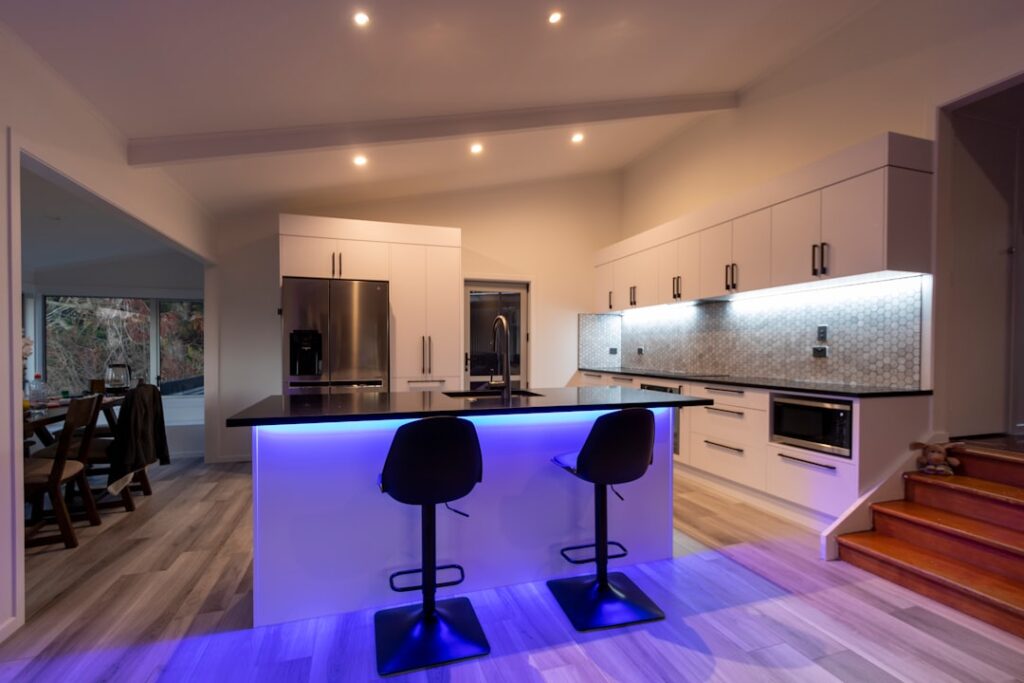
Vinyl flooring has become the top choice for kitchens across America, and it is easy to understand why. Kitchens demand a floor that can handle water, spills, heavy foot traffic, dropped dishes, and constant cleaning without losing its looks. Vinyl delivers on every one of those demands while offering stunning designs that replicate hardwood, stone, and tile at a fraction of the cost.
- Why Vinyl Is Ideal for Kitchen Flooring
- Types of Kitchen Flooring Vinyl
- Waterproof Kitchen Vinyl: What to Know
- Style Trends for Kitchen Vinyl Flooring in 2026
- Wide Plank Wood Looks
- Warm and Natural Tones
- Stone and Concrete Looks
- Herringbone and Chevron Patterns
- Matte and Low-Sheen Finishes
- Installing Vinyl Flooring in a Kitchen
- Subfloor Preparation
- Handling Kitchen Obstacles
- Click-Lock vs Glue-Down Installation
- Transition Strips
- Kitchen Vinyl Flooring Maintenance
- How Much Does Kitchen Vinyl Flooring Cost?
- Choosing the Best Kitchen Vinyl Flooring
- Final Thoughts
If you are shopping for kitchen flooring vinyl, this guide walks you through every option: sheet vinyl, vinyl plank, vinyl tile, waterproof technologies, current style trends, installation methods, and maintenance best practices.
Why Vinyl Is Ideal for Kitchen Flooring
Before diving into the specific types, it helps to understand why vinyl has overtaken ceramic tile and hardwood as the most popular kitchen flooring material.
Water resistance: Kitchens are wet environments. Between the sink, dishwasher, refrigerator ice maker, and everyday cooking spills, your kitchen floor encounters water daily. Vinyl is inherently water-resistant, and many modern vinyl products are fully waterproof, meaning they can withstand standing water without damage.
Comfort: Vinyl has some give underfoot, making it far more comfortable to stand on for long cooking sessions than tile or stone. Many vinyl products include an attached pad or cork backing that adds additional cushioning and warmth.
Durability: Quality vinyl flooring resists scratches, dents, and stains from everyday kitchen use. It stands up to dropped utensils, pet claws, chair legs, and the constant foot traffic that kitchens endure.
Easy maintenance: Vinyl floors require nothing more than sweeping and mopping. There is no sealing, waxing, or specialized care needed.
Affordability: Vinyl costs significantly less than hardwood, natural stone, or porcelain tile, making it accessible for kitchens of any size and budget.
Design variety: Today’s vinyl can convincingly mimic oak planks, marble slabs, concrete, encaustic tiles, and virtually any other material you can imagine.
While you’re upgrading the kitchen floor, it might be a good time to rethink the seating too. Swapping out old bar stools is one of those small changes that makes the whole room feel more pulled together.
We may earn a commission when you purchase through our links.
Types of Kitchen Flooring Vinyl
There are three main categories of vinyl flooring used in kitchens, each with distinct characteristics.
Sheet Vinyl
Sheet vinyl comes in wide rolls (typically 6 to 13 feet) that are cut to fit your kitchen in one or two large pieces. Because it has very few seams (often none in a typical kitchen), sheet vinyl provides the best waterproofing of any vinyl type. Water simply has no place to penetrate.
Modern sheet vinyl is available in a huge range of designs, including realistic wood and stone looks. It is the most affordable vinyl option and the fastest to install professionally. However, it is harder to install as a DIY project because of the large, unwieldy rolls and the precision required for cutting around cabinets, islands, and doorways.
Sheet vinyl ranges from about $0.50 to $5.00 per square foot for materials, with budget products on the low end and premium cushioned or fiberglass-reinforced products at the top.
Luxury Vinyl Plank (LVP)
Luxury vinyl plank is the fastest-growing segment of the kitchen flooring market. LVP comes in individual planks that mimic the dimensions and appearance of hardwood flooring. Each plank features a realistic printed design layer, a durable wear layer, and typically a rigid or semi-rigid core that provides stability and, in many cases, waterproof performance.
LVP is the best choice if you want the look of hardwood in your kitchen without the risk of water damage. The rigid core versions (SPC and WPC) are fully waterproof and can handle anything a kitchen throws at them. LVP is also very DIY-friendly, with most products featuring a click-lock installation system that requires no glue or nails.
Kitchen-grade LVP ranges from about $2.00 to $7.00 per square foot for materials, depending on quality, thickness, and brand. For a deeper dive into this category, see our complete LVP flooring guide.
Luxury Vinyl Tile (LVT)
Luxury vinyl tile comes in square or rectangular tile formats and is designed to replicate ceramic tile, porcelain, marble, slate, and other stone surfaces. LVT is an excellent choice if you love the look of tile but want a warmer, softer, and more affordable floor.
Like LVP, modern LVT products are available with rigid cores and waterproof construction. They install with click-lock or glue-down methods and can achieve a remarkably convincing tile appearance, complete with textured surfaces and realistic grout lines.
Kitchen-grade LVT ranges from about $2.00 to $6.00 per square foot for materials.
Waterproof Kitchen Vinyl: What to Know
Not all vinyl flooring is waterproof. Understanding the difference between water-resistant and waterproof is crucial for a kitchen application.
Water-Resistant vs Waterproof
Water-resistant vinyl can handle splashes, spills, and light moisture without damage but may not withstand prolonged water exposure or standing water. The water resistance comes from the vinyl surface itself, but moisture can penetrate through seams, edges, or the core material over time.
Waterproof vinyl features a core material that does not absorb water under any circumstances. Even if water sits on the surface, seeps through seams, or pools around the edges, the core will not swell, warp, or deteriorate. The two main waterproof core technologies are:
SPC (Stone Plastic Composite): A dense, rigid core made from limestone powder and PVC. SPC is extremely stable, highly waterproof, and resists denting. It has a harder feel underfoot, which some people find less comfortable. For kitchen use, SPC flooring is an excellent choice when durability is a top priority.
WPC (Wood Plastic Composite): A foamed core made from wood powder and PVC. WPC is softer and warmer underfoot than SPC and provides better sound absorption. It is also fully waterproof but slightly less rigid and dent-resistant than SPC.
For a kitchen, we strongly recommend choosing a fully waterproof vinyl product. The price difference between water-resistant and waterproof flooring is minimal, and the peace of mind is well worth it in a room where water exposure is a daily occurrence.
Style Trends for Kitchen Vinyl Flooring in 2026
Kitchen vinyl flooring design is evolving rapidly. Here are the trends dominating kitchen floors right now.
Wide Plank Wood Looks
Wide-format vinyl planks (7 inches and wider) in natural wood tones are the dominant kitchen flooring trend. Light to medium oak tones are especially popular, creating a warm, airy feel that complements both modern and transitional kitchen designs. Long plank lengths (48 to 72 inches) add to the realistic hardwood appearance and make kitchens feel more spacious.
Warm and Natural Tones
The gray-tone trend of recent years is giving way to warmer palettes. Honey oak, natural walnut, warm beige, and sand-toned floors are trending in 2026. These warmer shades pair beautifully with white and off-white cabinetry, natural wood accents, and the warm minimalist aesthetic that is currently popular in kitchen design.
Stone and Concrete Looks
Vinyl tile and plank products that replicate concrete, travertine, limestone, and terrazzo are gaining popularity in kitchens with modern or industrial design schemes. These looks bring the sophistication of natural materials without the cold feel, maintenance requirements, or high cost.
Herringbone and Chevron Patterns
Patterned installation layouts are trending, with herringbone and chevron being the most requested. Many vinyl plank manufacturers now offer planks specifically sized and angled for herringbone or chevron installation, making these upscale patterns accessible at vinyl price points.
Matte and Low-Sheen Finishes
High-gloss finishes are out. Matte, satin, and low-sheen finishes dominate the market because they look more like real wood and stone, show fewer footprints and smudges, and feel more contemporary. In a kitchen, low-sheen finishes are also more practical because they do not show water spots and cleaning streaks the way glossy floors do.
Installing Vinyl Flooring in a Kitchen
Installation requirements vary by vinyl type, but here are the essentials for a successful kitchen installation.
Subfloor Preparation
The subfloor must be clean, dry, level, and smooth. For sheet vinyl, the subfloor requirements are especially strict because every imperfection will show through the flexible material. LVP and LVT with rigid cores are more forgiving but still require a reasonably level surface (typically within 3/16 inch over 10 feet).
Handling Kitchen Obstacles
Kitchens present more installation challenges than most rooms due to cabinets, islands, appliances, and plumbing fixtures. The flooring should run under the dishwasher (to allow for future removal and replacement) and up to the base of cabinets. Use quarter-round or shoe molding to cover the expansion gap at cabinet bases.
Around the sink and dishwasher area, ensure the flooring seams are positioned away from high-moisture zones if possible. Apply seam sealer at any joints near water sources for added protection.
Click-Lock vs Glue-Down Installation
Click-lock installation is the most popular method for kitchen vinyl plank and tile. The planks snap together and float over the subfloor, making installation fast and accessible for DIYers. This method allows the floor to expand and contract with temperature changes, which is important in kitchens that experience temperature fluctuations from cooking.
Glue-down installation bonds the vinyl directly to the subfloor with adhesive. This creates a more permanent, stable installation that resists movement under heavy appliances and rolling loads (like kitchen carts). It is often preferred by professionals and recommended for large kitchens or commercial applications.
Transition Strips
Where your kitchen vinyl meets a different flooring material in an adjacent room, install a transition strip for a clean, professional look. T-moldings, reducers, and threshold strips are available in colors to match most vinyl flooring products.
Kitchen Vinyl Flooring Maintenance
One of the best things about vinyl flooring in a kitchen is how easy it is to maintain.
Daily and Weekly Care
Sweep or vacuum daily to remove crumbs, grit, and debris. In a kitchen, small food particles and grit tracked in from outside are the biggest threats to your floor’s appearance, as they can cause micro-scratches over time. Mop weekly with warm water and a vinyl-safe floor cleaner. Avoid using excessive water, especially with click-lock installations where water could seep through seams.
Dealing with Kitchen-Specific Stains
Vinyl is resistant to most kitchen stains, but some substances need prompt attention. Wipe up tomato sauce, mustard, wine, and cooking oil spills quickly to prevent staining. For stubborn spots, a paste of baking soda and water applied gently with a soft cloth usually does the trick. Avoid using abrasive scrubbers, bleach, or ammonia-based cleaners.
Protecting Your Kitchen Vinyl
Use felt pads under table and chair legs. Place a mat in front of the sink to catch water drips (use a non-rubber-backed mat to prevent discoloration). Consider furniture coasters under the refrigerator and heavy appliances to prevent indentation. When moving appliances for maintenance, slide them on hardboard or plywood sheets rather than directly across the vinyl surface.
How Much Does Kitchen Vinyl Flooring Cost?
Here is a cost summary for vinyl flooring in a typical 150-square-foot kitchen as of 2026.
Sheet vinyl: $75 to $750 for materials. Professional installation adds $150 to $450. Total: $225 to $1,200.
Luxury vinyl plank (LVP): $300 to $1,050 for materials. Professional installation adds $225 to $600. Total: $525 to $1,650.
Luxury vinyl tile (LVT): $300 to $900 for materials. Professional installation adds $225 to $600. Total: $525 to $1,500.
These estimates assume a straightforward installation without significant subfloor repair. If your existing floor needs to be removed or the subfloor needs leveling, add $1.00 to $3.00 per square foot for preparation work.
For context, a comparable kitchen floor in ceramic tile would cost $1,200 to $3,000 or more, and hardwood flooring would cost $1,500 to $3,500 or more, making vinyl the clear budget winner.
Choosing the Best Kitchen Vinyl Flooring
With so many options, here is a decision framework to help you choose the right kitchen vinyl.
If budget is the top priority: Choose a mid-range sheet vinyl with a fiberglass backing and a wear layer of at least 0.2mm. You will get reliable water protection, decent looks, and the lowest possible cost.
If you want the hardwood look: Choose a waterproof LVP with an SPC or WPC core, a wear layer of 12 mil or thicker, and an attached underlayment. This gives you the most realistic wood appearance with complete waterproof protection.
If you want the tile look: Choose a waterproof LVT in the stone or tile pattern you prefer. Look for products with textured surfaces and realistic grout line details for the most convincing appearance.
If you have a concrete subfloor: SPC vinyl is the best choice for concrete subfloors due to its rigidity and resistance to moisture from below. Consider adding a vapor barrier underlayment if your concrete slab is below grade.
If comfort is a priority: Choose a WPC vinyl or any LVP with a thick attached pad or cork underlayment. The softer core and cushioned backing make a noticeable difference during long kitchen sessions.
Final Thoughts
Kitchen flooring vinyl offers the ideal combination of practicality, beauty, and value for one of the hardest-working rooms in your home. Whether you choose the seamless water protection of sheet vinyl, the realistic hardwood appearance of LVP, or the stone elegance of LVT, you are getting a floor that is built to handle everything your kitchen can dish out. Focus on choosing a waterproof product with a quality wear layer, and your kitchen vinyl floor will look great and perform flawlessly for years to come.
Prefer to explore on your own?
See how new flooring looks in your actual room in seconds — free, no signup.
Try the free Floor Studio →