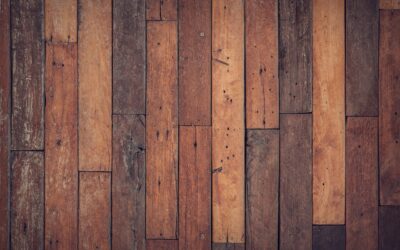
If you have been shopping for new flooring, you have likely encountered the term SPC flooring and wondered what it means and how it differs from other vinyl options. SPC stands for Stone Plastic Composite (sometimes called Stone Polymer Composite), and it has rapidly become one of the most popular flooring choices for homeowners and commercial properties alike.
In this guide, we explain exactly what SPC flooring is, how it is constructed, where it performs best, and how it compares to WPC, LVP, laminate, and hardwood. Whether you are renovating a kitchen, bathroom, or entire home, this guide will help you decide if SPC is the right choice for your project.
What Is SPC Flooring?
SPC flooring is a type of rigid-core luxury vinyl flooring that uses a stone plastic composite core made from a blend of natural limestone powder, polyvinyl chloride (PVC), and stabilizers. This combination creates an extremely dense, dimensionally stable core that resists denting, temperature changes, and moisture.
Unlike traditional vinyl flooring that is flexible, SPC features a rigid core structure that clicks together in a floating floor installation. It can be installed over most existing hard floors without adhesive, making it one of the most DIY-friendly flooring options available in 2026.
SPC flooring typically looks like hardwood planks or stone tiles, with realistic printed designs and textured surfaces that closely mimic natural materials.
How SPC Flooring Is Constructed
SPC flooring consists of multiple layers, each serving a specific purpose:
| Layer | Material | Thickness | Purpose |
|---|---|---|---|
| UV coating (top) | UV-cured coating | Micro-thin | Scratch resistance, UV protection |
| Wear layer | Clear PVC | 6-28 mil | Durability, stain protection |
| Design layer | Printed film | Ultra-thin | Visual appearance (wood, stone look) |
| SPC core | Limestone + PVC + stabilizers | 3.5-6 mm | Rigidity, stability, click-lock system |
| Backing/underlayment | IXPE or cork | 1-2 mm | Sound dampening, comfort, moisture barrier |
The overall thickness of SPC flooring ranges from 3.5mm to 8mm, with the most common products falling between 5mm and 6.5mm (including the attached underlayment). The wear layer thickness is the most critical specification — thicker wear layers provide longer-lasting protection and better performance in high-traffic areas.
Wear Layer Thickness Guide
| Wear Layer | Durability Rating | Best Application | Expected Lifespan |
|---|---|---|---|
| 6-8 mil | Residential light traffic | Bedrooms, guest rooms | 10-15 years |
| 12 mil | Residential standard | Living rooms, hallways | 15-20 years |
| 20 mil | Residential heavy / light commercial | Kitchens, entries, offices | 20-25 years |
| 28 mil | Commercial grade | Retail, restaurants, high traffic | 25+ years |
SPC vs. WPC Flooring
SPC and WPC (Wood Plastic Composite) are both rigid-core vinyl flooring types. Here is how they compare:
| Feature | SPC Flooring | WPC Flooring |
|---|---|---|
| Core composition | Limestone + PVC | Wood dust + PVC |
| Core density | Very high (heavier) | Moderate (lighter) |
| Thickness | 3.5-7 mm | 5.5-8 mm |
| Comfort underfoot | Firm | Softer, more cushioned |
| Dent resistance | Excellent | Good |
| Temperature stability | Excellent | Good |
| Water resistance | 100% waterproof | 100% waterproof |
| Sound absorption | Moderate | Better |
| Cost per sq ft | $2.50 – $6 | $3 – $8 |
| Best for | High traffic, commercial, basements | Bedrooms, living rooms, comfort priority |
Bottom line: Choose SPC for durability, dent resistance, and high-traffic areas. Choose WPC for comfort, sound absorption, and living spaces where you spend long periods standing or walking barefoot.
SPC vs. LVP (Luxury Vinyl Plank)
SPC is actually a subcategory of luxury vinyl plank flooring, but the term “LVP” is often used to refer to flexible (non-rigid-core) vinyl planks. Here is the comparison:
| Feature | SPC (Rigid Core) | Traditional LVP (Flexible) |
|---|---|---|
| Core type | Rigid stone composite | Flexible PVC |
| Subfloor prep | Minimal (hides imperfections) | Extensive (shows imperfections) |
| Installation | Click-lock floating | Glue-down or peel-and-stick |
| Stability | Excellent | Good (can shift) |
| Durability | Very High | Moderate to High |
| Cost | $2.50 – $6/sq ft | $1.50 – $5/sq ft |
SPC vs. Laminate Flooring
SPC and laminate flooring compete in a similar price range but differ significantly in moisture handling:
| Feature | SPC Flooring | Laminate Flooring |
|---|---|---|
| Water resistance | 100% waterproof | Water-resistant (not waterproof) |
| Core material | Stone + PVC | HDF (wood fiber) |
| Bathroom/kitchen use | Excellent | Not recommended (most products) |
| Realistic look | Very Good | Very Good |
| Comfort | Firm | Moderate (with underlayment) |
| Eco-friendliness | Moderate (PVC-based) | Better (wood-based core) |
| Cost per sq ft | $2.50 – $6 | $1 – $5 |
SPC is the clear winner for any room where moisture is a concern — bathrooms, kitchens, basements, laundry rooms, and entryways. Laminate may be preferred in bedrooms and living areas where eco-friendliness and a slightly warmer feel are priorities.
Pros & Cons of SPC Flooring
| Pros | Cons |
|---|---|
| 100% waterproof | Harder underfoot than WPC or hardwood |
| Extremely dent-resistant | Can feel cold without radiant heat |
| Temperature stable (sunrooms, etc.) | Not as eco-friendly as wood or bamboo |
| Easy click-lock DIY installation | Cannot be refinished |
| Installs over most existing floors | Heavy to carry and handle |
| Low maintenance | Lower-end products can look artificial |
| Affordable ($2.50-$6/sq ft) | Does not add home value like hardwood |
Best Rooms for SPC Flooring
SPC flooring excels in certain environments due to its waterproof, durable nature:
| Room | SPC Suitability | Why |
|---|---|---|
| Kitchen | Excellent | Waterproof, resists dropped items & spills |
| Bathroom | Excellent | 100% waterproof, handles humidity |
| Basement | Excellent | Waterproof, handles temp fluctuations |
| Laundry room | Excellent | Handles water exposure from appliances |
| Living room | Very Good | Durable, but consider area rugs for comfort |
| Bedroom | Good | Works well but WPC or carpet may be warmer |
| Entryway/mudroom | Excellent | Handles dirt, moisture, heavy foot traffic |
| Pool house | Excellent | Waterproof, easy to clean, slip-resistant |
Installation Guide
SPC flooring is one of the easiest flooring types to install as a DIY project. Here is an overview:
Subfloor Requirements
SPC can be installed over concrete, plywood, existing vinyl, tile, and most hard surfaces. The subfloor should be clean, dry, and reasonably flat (within 3/16 inch per 10 feet). Unlike flexible vinyl, SPC’s rigid core bridges minor imperfections.
Installation Steps
- Acclimate: Leave planks in the room for 48 hours at room temperature
- Prepare the subfloor: Clean, level, and install a moisture barrier if over concrete
- Plan layout: Measure the room and plan plank direction. Run planks parallel to the longest wall or toward the main light source
- Begin installation: Start at the left wall, tongue side facing the wall, with 1/4-inch spacers
- Click planks together: Angle long sides and tap short ends into place. Stagger end joints by at least 6 inches
- Cut as needed: Use a utility knife and straight edge to score and snap planks. Use a miter saw for complex cuts
- Install transitions: Add transition strips where SPC meets other flooring types
- Install baseboards: Replace or reinstall baseboards to cover the expansion gap
Tools Required
Tape measure, utility knife, straight edge, tapping block, pull bar, rubber mallet, spacers, pencil, and optionally a miter saw for complex cuts around door frames and obstacles.
Cost Breakdown
| Cost Component | Budget | Mid-Range | Premium |
|---|---|---|---|
| SPC flooring per sq ft | $2.50 – $3.50 | $3.50 – $5.00 | $5.00 – $7.00 |
| Underlayment (if not attached) | $0.25 – $0.50 | $0.50 – $0.75 | $0.75 – $1.25 |
| Transition strips | $3 – $8 per lin ft | $8 – $15 per lin ft | $15 – $25 per lin ft |
| Professional installation | $1.50 – $3.00/sq ft | $3.00 – $4.50/sq ft | $4.50 – $6.00/sq ft |
| Total (500 sq ft, DIY) | $1,375 – $2,000 | $2,000 – $2,875 | $2,875 – $4,125 |
| Total (500 sq ft, installed) | $2,125 – $3,500 | $3,500 – $5,125 | $5,125 – $7,125 |
Care & Maintenance
SPC flooring is extremely low maintenance. Follow these guidelines to keep it looking its best:
- Sweep or vacuum regularly: Remove dirt and grit that can scratch the wear layer. Use a hard-floor vacuum setting (no beater bar)
- Mop with warm water: A damp mop with warm water is sufficient for routine cleaning. Add a small amount of pH-neutral vinyl floor cleaner for deeper cleaning
- Wipe spills promptly: While SPC is waterproof, standing water for extended periods can seep into seams. Wipe spills when you see them
- Use furniture pads: Place felt pads under furniture legs to prevent scratching when items are moved
- Avoid harsh chemicals: Do not use ammonia, bleach, abrasive cleaners, or steam mops on SPC flooring
- Protect from direct sunlight: Use curtains or UV-blocking window treatments in rooms with intense sun exposure to prevent discoloration over time
Frequently Asked Questions
What does SPC stand for in flooring?
SPC stands for Stone Plastic Composite (or Stone Polymer Composite). It refers to the rigid core layer made from a blend of natural limestone powder, polyvinyl chloride, and stabilizers. This composition makes SPC flooring extremely dense, stable, and waterproof.
Is SPC flooring better than laminate?
SPC is better than laminate in terms of water resistance (100% waterproof vs. water-resistant), dent resistance, and temperature stability. Laminate may be preferred for its slightly warmer feel, eco-friendliness (wood-based core), and lower price point in dry rooms.
Can SPC flooring be used in bathrooms?
Yes, SPC flooring is an excellent choice for bathrooms. Its 100% waterproof construction means it will not swell, warp, or degrade from moisture exposure. It is one of the best bathroom flooring options available, second only to porcelain tile in terms of water performance.
How long does SPC flooring last?
Quality SPC flooring with a 20-mil wear layer lasts 20 to 25 years under normal residential use. Commercial-grade SPC with a 28-mil wear layer can last 25+ years. The lifespan depends heavily on wear layer thickness, foot traffic, and maintenance practices.
Is SPC flooring good for pets?
SPC flooring is one of the best options for pet owners. Its waterproof surface handles pet accidents without damage, the dense core resists scratches from pet claws better than most alternatives, and it does not trap pet hair or odors like carpet. Choose a product with at least a 12-mil wear layer for homes with large dogs.
Can you install SPC flooring over tile?
Yes, SPC can be installed directly over existing tile as long as the tile is flat, stable, and free of loose or cracked tiles. The rigid core bridges grout lines without telegraphing through. This makes SPC an excellent renovation option that avoids the mess and cost of tile removal.
Does SPC flooring need underlayment?
Many SPC products come with an attached underlayment (typically IXPE or cork). If your product includes attached underlayment, do not add additional underlayment — this can compromise the click-lock system. If your SPC has no attached pad, use a thin (1-1.5mm) underlayment designed specifically for rigid-core vinyl.
Prefer to explore on your own?
See how new flooring looks in your actual room in seconds — free, no signup.
Try the free Floor Studio →