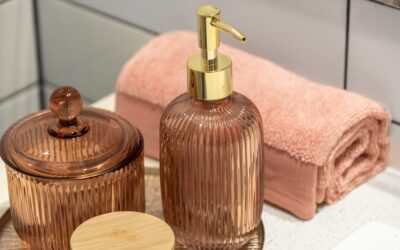
A cluttered sink area full of mismatched plastic bottles is one of those small annoyances that quietly drags down an otherwise tidy kitchen. A matching kitchen soap dispenser set solves the problem instantly, giving you coordinated containers for dish soap and hand soap that look intentional and keep your counter organized. With sets available from around $15 for simple options to $60 or more for premium materials, it is one of the most affordable upgrades that delivers a noticeable everyday improvement.
Part of our Kitchen Remodeling guide — explore the full guide →
- What Comes in a Soap Dispenser Set
- Material Options to Consider
- Pump Types and Mechanisms
- Countertop vs Built-In Dispensers
- Sizing and Capacity
- Matching Your Kitchen Decor
- Refilling and Maintenance Tips
- Eco-Friendly and Refill Considerations
- Common Problems and How to Fix Them
- Where to Place Your Dispenser Set
- Final Thoughts
What Comes in a Soap Dispenser Set
Most kitchen soap dispenser sets include two matching pump bottles, typically one for dish soap and one for hand soap, sometimes with a tray or caddy to hold them together. Larger sets may add a third dispenser for lotion or a separate container for sponges and brushes. The appeal is consistency: instead of a jumble of brand-name bottles, you get a clean, unified look. Many sets come with adhesive labels or pre-printed markings so you can tell dish from hand soap at a glance.
Material Options to Consider
The material sets the tone for both durability and style:
- Glass: Elegant and substantial, glass dispensers resist staining and feel premium. They show soap levels clearly but can break if dropped.
- Stainless steel: Sleek, modern, and very durable, steel hides fingerprints in brushed finishes and pairs well with stainless appliances. You cannot see the soap level, though.
- Ceramic: Offers a warm, decorative look with endless colors and patterns, ideal for farmhouse or traditional kitchens. Heavier and breakable.
- Plastic or acrylic: The budget choice, lightweight and shatterproof, good for households with kids, though less luxurious.
Choose a material that complements your existing fixtures and faucet finish for a coordinated result.
Pump Types and Mechanisms
The pump is the part you touch dozens of times a day, so quality matters. Standard press pumps are reliable and inexpensive. Look for rust-resistant pump heads, since cheap metal pumps corrode over time near a wet sink. For a more hygienic option, touchless automatic dispensers use a motion sensor to deliver soap without contact, reducing germ spread and mess, especially handy when your hands are covered in raw chicken or greasy. Automatic sets cost more and require batteries, but many cooks find them worth it.
Countertop vs Built-In Dispensers
You have two main installation styles. Countertop sets simply sit by the sink and can be moved, refilled, and swapped easily, making them the most flexible and popular choice. Built-in or deck-mounted dispensers install through a hole in the sink or counter, with the pump on top and a refillable reservoir below. Built-ins give the cleanest, most permanent look and free up counter space, but they require a mounting hole and are harder to refill. For most homeowners, a quality countertop set offers the best mix of style and convenience.
Sizing and Capacity
Consider how often you want to refill. Larger dispensers in the 12- to 18-ounce range mean fewer refills, ideal for busy kitchens, but they take up more space. Smaller, slimmer bottles suit compact counters and look less bulky. If you buy soap in bulk, a higher-capacity set saves money and effort. Wide-mouth openings make refilling far easier, so check that detail before buying, since a narrow neck turns refilling into a spill-prone chore.
Matching Your Kitchen Decor
A soap dispenser set is a small accessory with an outsized visual impact because it sits in a prime spot. To make it work with your decor:
- Match the finish to your faucet and cabinet hardware, such as brushed nickel, matte black, or brass.
- Pick glass or ceramic for traditional and farmhouse kitchens, steel for modern and industrial looks.
- Coordinate with other sink accessories like the dish brush holder and soap tray for a cohesive zone.
- Use neutral tones if you redecorate often, or a bold color as an accent if your kitchen is mostly neutral.
Refilling and Maintenance Tips
To keep your set looking and working its best, refill before it runs completely dry to avoid air locks in the pump. Periodically run warm water through the pump mechanism to clear dried soap that can clog it. Wipe down glass and steel surfaces to remove water spots and soap drips. If a pump starts to stick or rust, replacing just the pump head is often cheaper than buying a whole new set. Diluting very thick dish soap slightly can also help it pump smoothly.
Eco-Friendly and Refill Considerations
A refillable dispenser set is inherently greener than buying new plastic soap bottles repeatedly. You can buy concentrated or bulk soap and refill, cutting down on packaging waste and saving money over time. Some homeowners use the set with homemade or foaming soap solutions. If you choose foaming hand soap, make sure to buy a dispenser with a dedicated foaming pump, since a standard pump will not aerate the soap properly.
Common Problems and How to Fix Them
Even good dispensers occasionally act up, and most issues have easy fixes. If the pump stops dispensing, the tube may be clogged with dried soap, which a flush of warm water usually clears. If soap comes out too thin or too thick, adjust by diluting concentrated dish soap slightly or switching to a thicker formula. A pump that sticks or squeaks often just needs cleaning, while a corroded pump head should be replaced rather than repaired. Leaks at the base typically mean a loose or worn seal. Keeping the exterior wiped down and refilling before the bottle runs completely empty prevents most of these annoyances in the first place.
Where to Place Your Dispenser Set
Placement affects both convenience and tidiness. Position the hand soap dispenser closest to where you wash up and the dish soap nearest the sink basin you use for dishes. Keeping the set on a small tray or caddy contains drips and makes wiping the counter easier, since soap residue tends to collect underneath. Avoid crowding the dispensers against the backsplash where they are hard to reach, and leave enough clearance to refill without moving other items. Thoughtful placement turns the set into a smooth part of your daily routine rather than something you have to work around.
Final Thoughts
A kitchen soap dispenser set is a small, affordable upgrade that brings order and style to the busiest spot in your kitchen. Choose a material that matches your decor, prioritize a rust-resistant pump, and consider capacity and refill ease before buying. Whether you prefer classic glass, sleek stainless, or a touchless automatic set, the right choice turns a cluttered sink into a clean, coordinated workspace. At D and G Flooring, we believe the details make a house feel finished, from the floors underfoot to the accessories on your counter.