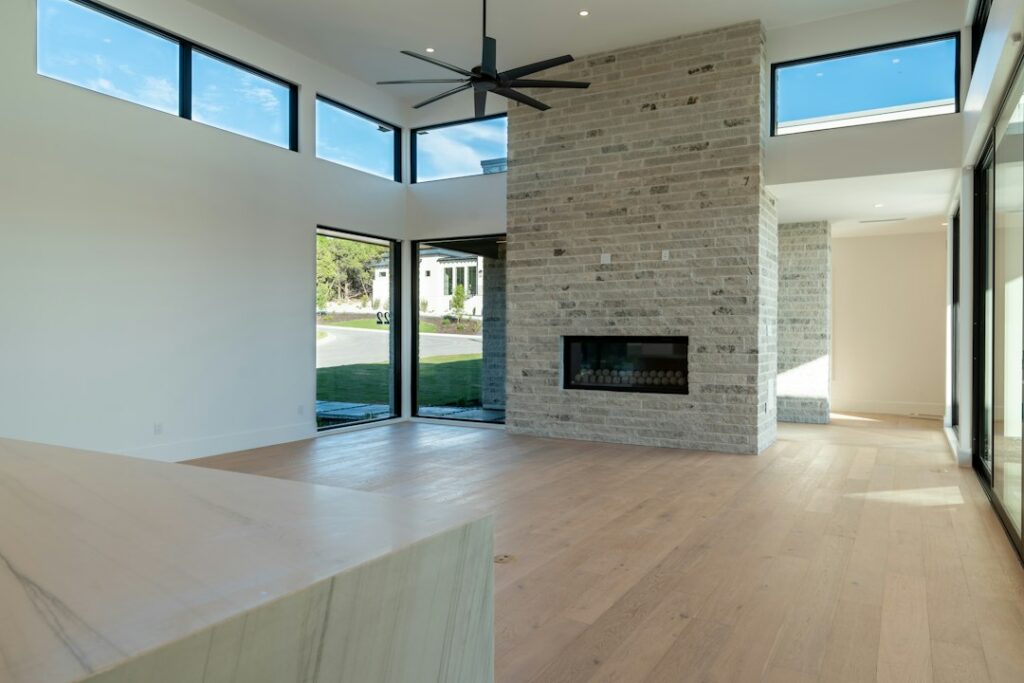
Choosing floors in an East San Diego County suburb means weighing the product, the installer, and the mild coastal climate all at once. A practical approach to La Mesa flooring is to treat any local dealer the way a careful buyer should: verify current details yourself, gather itemized quotes, compare a few options, and pick materials suited to the region’s gentle but humidity-prone conditions. This honest guide walks through that process so your decision rests on facts rather than the nearest showroom’s sales pitch.
- Why Local Matters in La Mesa
- Verify the Dealer’s Current Details
- Get Itemized, Comparable Quotes
- Choosing Floors for the Local Climate
- Pros and Cons of Local vs. Big-Box
- Questions to Ask Before You Commit
- Protect Yourself in the Contract
- Best Flooring Types for the Area
- Plan the Project Timeline
- The Bottom Line
Why Local Matters in La Mesa
La Mesa sits in inland San Diego County, with a mild Mediterranean climate, occasional heat, and coastal humidity influence. A local flooring dealer who knows the area can advise on what holds up in homes that often lack heavy climate swings but do see moisture in bathrooms, kitchens, and slab-on-grade construction common to Southern California.
That local knowledge is valuable, but reputation should be verified, not assumed. Business ownership, locations, and contact details change, so always confirm the current facts before relying on an old listing or a friend’s years-old recommendation.
Verify the Dealer’s Current Details
Before scheduling any in-home measurement, confirm the basics directly. A few minutes of checking protects you from stale information.
- Call to confirm the current address, phone, hours, and service area.
- Ask which brands and product lines they actually stock and install today.
- Confirm whether they self-perform installation or use subcontractors.
- Verify California licensing and insurance, and how warranty claims are handled.
Read recent, specific reviews rather than fixating on a single star average, and note how the business responds when something goes wrong. Pay particular attention to reviews that mention installation quality and after-sale service, since those reveal far more than comments about the showroom or pricing alone.
Get Itemized, Comparable Quotes
The most powerful evaluation tool is a detailed written estimate. A lump sum hides where your money goes; line items let you compare fairly across dealers. Insist the proposal break out each component.
- Material: exact product, color, square footage, and waste factor.
- Subfloor prep: slab moisture testing, leveling, or old-floor removal.
- Underlayment: type and any moisture or acoustic rating.
- Labor: install rate plus charges for stairs, patterns, and transitions.
- Extras: furniture moving, haul-away, and baseboard work.
Collect two or three of these and lay them side by side. The lowest number is not always the best value, but you cannot judge without the details.
Choosing Floors for the Local Climate
La Mesa’s mild climate is forgiving for flooring, which widens your options, but coastal humidity and slab construction still shape smart choices. Solid hardwood performs reasonably here given the stable temperatures, though slab homes favor engineered wood or rigid-core vinyl that tolerate slab moisture better.
For kitchens, bathrooms, and laundry rooms, waterproof luxury vinyl or tile is the safe pick. Tile in particular suits the warm-weather lifestyle, staying cool underfoot and shrugging off the indoor-outdoor traffic common in Southern California homes. Whatever you choose, insist on a concrete slab moisture test before installing any moisture-sensitive product.
Pros and Cons of Local vs. Big-Box
Both routes can work; the right one depends on your priorities.
- Local dealer pros: climate-specific advice, single point of accountability, often more flexible on custom and service work.
- Local dealer cons: pricing varies, so you must shop and compare.
- Big-box pros: predictable pricing and broad selection.
- Big-box cons: installation typically subcontracted, splitting accountability.
Questions to Ask Before You Commit
A short, direct conversation reveals a lot about any flooring company. Ask these before signing:
- Who will be in my home, employees or subcontractors, and are they insured?
- What is your moisture-testing process for a concrete slab?
- What happens if a plank is damaged during install or a lot is discontinued mid-job?
- What is the realistic timeline and payment schedule?
- How are manufacturer and labor warranties documented in writing?
Protect Yourself in the Contract
Whatever dealer you choose, get everything in writing. The contract should name the exact product and quantity, the total price with itemized components, the start and completion dates, the payment terms, and the warranty coverage for both materials and workmanship. Avoid paying the full balance before the work is finished and you have inspected it in good daylight.
Best Flooring Types for the Area
Beyond durability ratings, certain categories simply fit the Southern California lifestyle and construction better than others. Here is how the main options compare for a La Mesa home.
- Luxury vinyl plank: the versatile all-rounder; waterproof, slab-friendly, and easy to maintain in indoor-outdoor homes.
- Porcelain and ceramic tile: cool underfoot, durable, and ideal for the warm climate and high-traffic entries.
- Engineered hardwood: real-wood look that tolerates slab moisture better than solid boards.
- Solid hardwood: works well given the stable temperatures, best over wood subfloors with moisture control.
- Carpet: comfortable in bedrooms, though many local homeowners favor hard surfaces for the climate.
Matching the material to slab construction and the mild, humidity-influenced climate prevents the most common regional issues, especially moisture problems under floors installed directly on concrete.
Plan the Project Timeline
A smooth installation takes more than picking a floor. Allow time for material to be ordered, delivered, and acclimated in your home for several days so it adjusts to indoor conditions before installation. Schedule slab moisture testing, and clear and protect the work area in advance. Ask the dealer for a realistic completion window and confirm who handles furniture moving and old-floor removal. Building these steps into your expectations keeps the project on track and avoids rushed, costly decisions in the middle of the job. A dealer who walks you through this timeline in detail before you sign is usually one who runs organized, accountable installations.
The Bottom Line
A reputable La Mesa flooring dealer can be an excellent partner for a San Diego County project, but your decision should rest on verified current details, itemized quotes, and materials chosen for the mild, humidity-influenced climate and common slab construction. Confirm the facts, compare a few local options, test the slab for moisture, plan the timeline, and put the agreement in writing. Do that, and you will buy floors that fit both your home and the way Southern Californians actually live in them.
Prefer to explore on your own?
See how new flooring looks in your actual room in seconds — free, no signup.
Try the free Floor Studio →