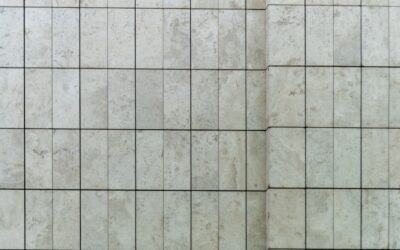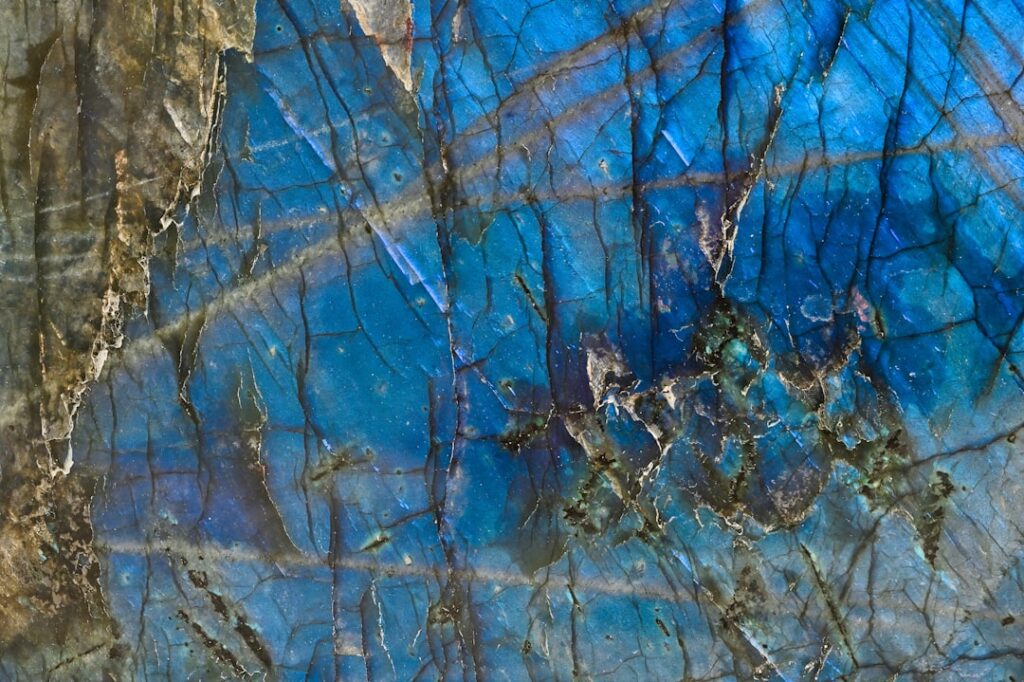
Every so often a client walks in wanting something no neighbor will have, and that is when I bring up labradorite tile. Labradorite is a natural feldspar stone famous for labradorescence, the optical effect where the surface flashes electric blue, green, gold, and occasionally violet as you move past it. Cut and polished into tile or slab, it turns a wall, floor, or countertop into a shifting, jewel-like surface unlike anything you get from marble or granite.
This is a premium, semi-precious material, and it behaves differently from your standard stone tile. It costs more, demands careful sealing, and rewards thoughtful placement where light can play off the flash. Here is what a homeowner should know before committing to it.
What Labradorite Actually Is
Labradorite is a plagioclase feldspar, first identified in Labrador, Canada, though most commercial material today comes from Madagascar, Finland, and Ukraine. The blue and green flash is not pigment. It comes from light interference within the stone’s internal layered structure, a phenomenon called labradorescence or schiller. Tilt the stone and the color moves. That is the whole appeal.
Geologically it sits around 6 to 6.5 on the Mohs hardness scale, similar to a softer granite and harder than marble. It is a natural stone with visible crystal facets, so no two tiles look alike, and the flash can be concentrated in patches rather than spread evenly across every piece.
Slab, Tile, and Accent Formats
You will find labradorite in a few forms, and the format drives both cost and use:
- Full slabs: Large-format polished slabs for statement countertops, islands, and feature walls. The most expensive option and the most dramatic.
- Cut tiles: Typically 12×12 or smaller, gauged and polished. Used for backsplashes, accent walls, and small floor areas.
- Mosaic and accent pieces: Small chips and inlays that spread the flash across a border, niche, or feature strip without the full-slab price.
Because genuine labradorite is pricey, some products labeled labradorite are actually engineered or reconstituted stone, or a lookalike blue granite. Ask your supplier for the origin and confirm it is natural labradorite if that flash is what you are paying for.
Where Labradorite Tile Shines
The whole point of this stone is the light show, so I place it where people will see it move. A backsplash behind a range, lit by under-cabinet lighting, makes the flash come alive every time you cook. A powder-room accent wall or vanity top turns a small space into a jewel box. A fireplace surround or a single feature wall in a living room does the same.
For flooring, I use labradorite tile sparingly, usually as an inlay, a border, or a small foyer medallion rather than a full floor. Two reasons: the cost of covering a whole floor is enormous, and the flash reads best on vertical surfaces at eye level where light hits it at changing angles. On a floor you look straight down and lose some of that magic.
Sealing and Maintenance Are Non-Negotiable
Natural labradorite is porous and needs sealing, full stop. Feldspar can absorb liquids and stain, and it is sensitive to acids. Here is the care routine I give clients:
- Seal on install and reseal regularly. Apply a quality penetrating stone sealer during installation, then reseal every 6 to 12 months on countertops and high-use areas. Test by dripping water; if it soaks in rather than beading, it is time to reseal.
- Clean with pH-neutral products only. Never use vinegar, lemon, bleach, or generic bathroom cleaners. Acids etch the surface and dull the polish.
- Wipe spills fast. Wine, coffee, oil, and citrus can stain unsealed or worn areas quickly.
- Use cutting boards and trivets. On a countertop, protect the polish from knives and hot pans even though the stone is fairly hard.
Installation Considerations
Setting labradorite is similar to other natural stone tile, with a few cautions. Use a white polymer-modified thinset rather than gray, because gray mortar can show through the stone and muddy the color, and white keeps the flash clean. Cut with a wet saw and a good continuous-rim diamond blade, feeding slowly since the crystal structure can chip if you rush.
Handle the pieces carefully. Polished labradorite has a glassy face that scratches, and the natural cleavage planes mean an aggressive drop can crack a tile along a crystal boundary. Because pieces vary in flash intensity, I lay everything out dry first and arrange the tiles so the best flashes land where the light and the eye will catch them. That dry layout step matters more with this stone than almost any other.
Lighting Makes or Breaks the Effect
More than any other stone, labradorite depends on light to do its job. The labradorescence only appears when light strikes the surface at the right angle, so the same tile can look like a flat gray-blue slab in one spot and explode with color in another. That means lighting design is not an afterthought, it is central to the install.
For a backsplash, I want directional light, under-cabinet LED strips or focused puck lights, raking across the stone rather than flat, even light. On an accent wall, a wall-washer or a track light angled down the surface brings the flash to life as you move through the room. Natural daylight from a nearby window also works beautifully and changes the display through the day. If you install labradorite under flat, diffuse ceiling light with no angle, you will lose most of the effect and wonder where your money went.
How It Compares to Other Blue Stones
Homeowners shopping for a dramatic blue surface often cross-shop labradorite against blue granite, sodalite, and even blue quartzite. Each behaves differently. Blue granite and blue quartzite are harder and lower-maintenance, but they show a static color with no flash. Sodalite gives a deep, consistent blue but again without the moving iridescence.
Labradorite is the only one of the group that flashes and shifts as you move, which is exactly why it commands a premium and why it works best as a focal accent. If you want a durable, everyday blue countertop with less upkeep, a blue quartzite may serve you better. If you want a jaw-dropping feature that changes with the light, nothing substitutes for genuine labradorite.
What Labradorite Tile Costs
This is luxury territory, and pricing reflects it:
- Labradorite tile: roughly $30 to $80 per square foot for the material, depending on quality and flash.
- Premium slabs: $100 to $200+ per square foot installed, sometimes higher for exceptional pieces.
- Accent and mosaic pieces: often sold by the piece or small sheet, a budget-friendlier way to get the effect.
Installation labor for natural stone typically adds $10 to $20 per square foot, more for intricate layouts or slab fabrication. The premium is real, which is exactly why most homeowners use it as a focal accent rather than covering broad areas. Remember to buy from the same lot or block when you can, because flash intensity and background color vary between quarry runs, and mixing lots on one wall can leave you with mismatched pieces you cannot swap out later.
Is Labradorite Tile Right for You
Choose labradorite tile when you want a genuine showstopper and you are willing to maintain a natural, semi-precious stone. It is not a set-and-forget surface like porcelain. It needs sealing, gentle cleaning, and protection from acids. But used as a lit backsplash, an accent wall, a vanity, or a feature inlay, nothing else delivers that living, iridescent blue-green flash. Place it where light can dance across it, keep it sealed, and labradorite tile will be the detail every guest asks about.
Prefer to explore on your own?
See how new flooring looks in your actual room in seconds — free, no signup.
Try the free Floor Studio →