When homeowners and contractors talk about reliable, widely available tile in the United States, one name comes up again and again. Daltile ceramic wall tile is among the most recognized options on the market, produced by Daltile, one of the largest tile manufacturers in North America. Whether you are planning a kitchen backsplash, a bathroom surround, or a full accent wall, understanding what this brand offers, how its tile is finished and sized, and what it costs will help you plan your project with confidence. This guide walks through the essentials without overpromising on specifics that vary by collection.
Part of our Tile & Grout guide — explore the full guide →
Who Is Daltile?
Daltile is a major American tile manufacturer with a long history and a broad distribution network, sold through home centers, dedicated tile showrooms, and independent dealers across the country. The company produces ceramic, porcelain, glass, and natural stone products, along with the setting materials and trim pieces that go with them. Because it is such a large and established brand, its tile is easy to find, generally well supported with matching trim and accent pieces, and available in a wide enough range of collections to suit nearly any style. For homeowners, that availability is a real practical advantage: you can usually see the tile in person before buying and source matching pieces if you need to expand a project later.
Popular Uses for Ceramic Wall Tile
Ceramic wall tile is designed for vertical surfaces, and it excels there for good reason. It is typically lighter and thinner than floor tile, easier to cut and handle, and offered in a huge variety of colors and finishes. Common applications include:
- Kitchen backsplashes: Protecting the wall behind counters and stoves while adding a decorative focal point.
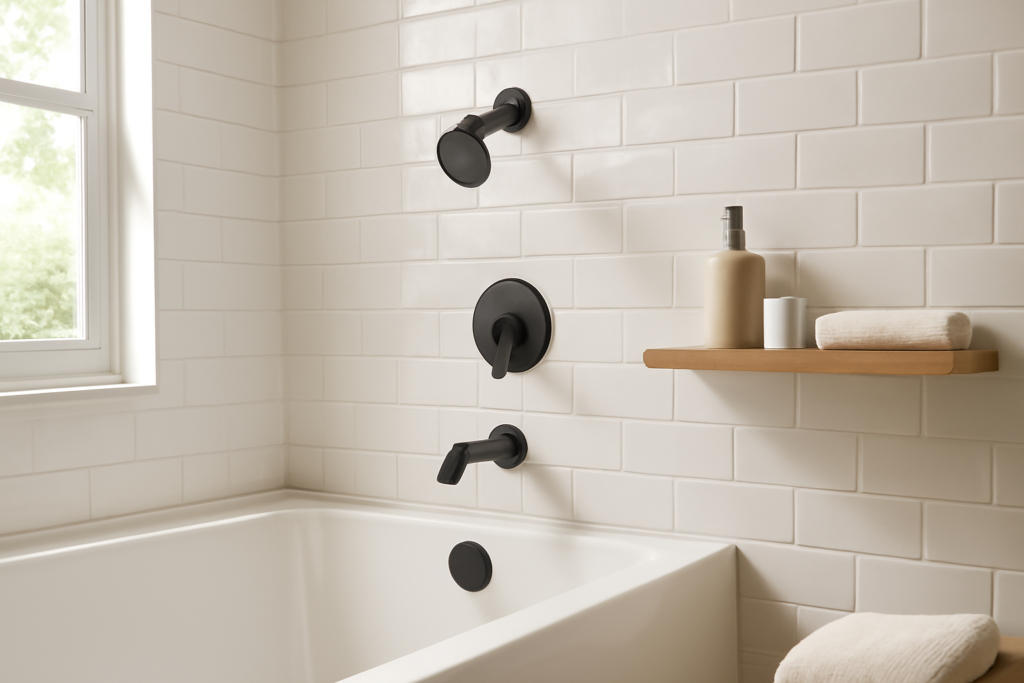
- Bathroom walls and tub surrounds: Providing a water-resistant, easy-to-clean surface.
- Shower walls: When paired with proper waterproofing behind the tile.
- Accent and feature walls: Creating texture and color in living spaces, entryways, or powder rooms.
- Laundry and mudroom walls: Standing up to splashes and easy wipe-downs.
Finishes and Styles You Will Find
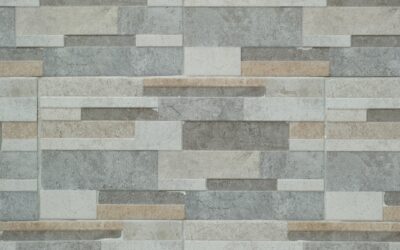
One of the strengths of a large manufacturer’s catalog is the breadth of looks available. Ceramic wall tile from a major brand typically comes in glossy, matte, and textured finishes, and in a spectrum of colors from crisp whites and soft neutrals to bold, saturated hues. You will find classic subway shapes, squares, hexagons, and decorative mosaics, along with tiles that imitate the look of natural stone, marble veining, or handmade artisan tile with subtle surface variation. Glossy finishes reflect light and feel bright and clean, making them popular for backsplashes and bathrooms, while matte and textured surfaces hide water spots and fingerprints better. Because styles and collection names change over time, it is best to browse the current lineup at a showroom or retailer rather than assume a specific pattern is available.
Common Sizes and Trim Pieces
Ceramic wall tile is sold in familiar formats, including the ever-popular 3×6 subway, 4×4 squares, larger rectangles, and various mosaic sheets. A major advantage of buying from an established brand is the availability of coordinating trim: bullnose pieces to finish exposed edges, chair rails, pencil liners, and decorative accent strips that let you complete an installation cleanly without raw tile edges showing. When planning your layout, account for these trim pieces at outside corners and along the top edge of a backsplash or wainscot, since a clean edge treatment is what separates a finished look from an unfinished one. Confirm exact available sizes and trim for your chosen collection at the point of purchase, as offerings differ from one line to the next.
What It Costs
Ceramic wall tile is one of the more budget-friendly tile options, and pricing from a large manufacturer spans a wide range depending on the collection and finish. Basic field tile often runs from roughly one to four dollars per square foot, with mid-range and decorative or specialty finishes climbing to five to eight dollars or more. Mosaic sheets and hand-look artisan tiles sit at the higher end. Trim and accent pieces are priced per piece and can add up, so include them in your budget. Professional installation for wall tile typically adds five to twelve dollars per square foot depending on the complexity of the layout, with intricate patterns and lots of cuts costing more. Always confirm current pricing with your retailer, since it varies by region and collection.
Installation Basics
Installing ceramic wall tile follows the same fundamentals regardless of brand. Success starts with a sound, clean, flat substrate. In wet areas like showers, that means proper waterproofing behind the tile, whether a cement backer board with a waterproof membrane or a dedicated waterproofing system. Key steps include:
- Establishing level layout lines so the tile does not drift as it climbs the wall.
- Using a suitable thin-set mortar and the correct notched trowel for the tile size.
- Maintaining consistent grout joints with spacers.
- Cutting cleanly with a wet saw or a quality snap cutter for straight lines.
- Finishing exposed edges with bullnose or trim pieces.
- Grouting after the mortar cures, then sealing the grout if recommended.
Wall tile is a manageable DIY project for confident homeowners on simple backsplashes, though showers and intricate patterns are best left to professionals.
Caring for Daltile Ceramic Wall Tile
Daltile ceramic wall tile is easy to live with. The glazed surface resists stains and wipes clean with a mild household cleaner and a soft cloth. Avoid abrasive scrubbing pads that can dull the glaze over time. The grout, not the tile, is usually the maintenance concern: sealing grout in wet areas and cleaning it periodically keeps the installation looking fresh and prevents discoloration and mildew. With minimal upkeep, a well-installed ceramic wall tile surface will look good for decades.
Planning Your Layout and Quantities
A little planning before you buy saves headaches during installation and keeps your project on budget. Start by measuring the area accurately, calculating the square footage of each wall or backsplash, then add 10 to 15 percent for cuts, breakage, and future repairs. For patterns with lots of angles or a diagonal layout, add closer to 20 percent. When you order, buy all the tile at once from the same production run so the color and shade match, since glazes can vary between batches. Think through the layout before setting anything: decide where the full tiles will fall and where the cut pieces will land, aiming to keep cuts at the ends and bottom rather than in the most visible center of a backsplash. Consider these planning points:
- Focal point: Center the layout on the most visible area, such as behind a range or a vanity.
- Cut placement: Position partial tiles at edges and corners, not in prime sightlines.
- Trim needs: Count bullnose and edge pieces for every exposed edge and outside corner.
- Outlets and fixtures: Plan cuts around electrical boxes and plumbing so they look deliberate.
- Grout choice: Select a grout color and type, sealed cement or stain-resistant epoxy, before you start.
Dry-lay a section or snap chalk lines to preview the arrangement, and you will avoid the frustration of awkward slivers or a pattern that drifts off-center as it climbs the wall.
Making Your Decision
Choosing Daltile ceramic wall tile gives you the reassurance of a large, established manufacturer with broad availability, a wide selection of finishes and coordinating trim, and the ability to see and source the product easily. Focus your decision on the specific collection, finish, and size that suit your room, confirm current pricing and trim availability at your retailer, and invest in proper substrate prep and, in wet areas, waterproofing. Get those fundamentals right and you will have a durable, attractive, and easy-to-maintain wall that serves your kitchen, bathroom, or living space beautifully for years to come.
Prefer to explore on your own?
See how new flooring looks in your actual room in seconds — free, no signup.
Try the free Floor Studio →