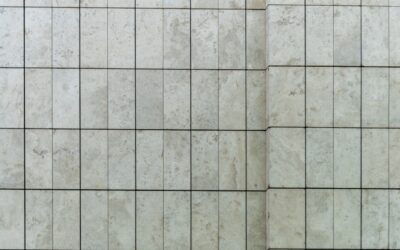
Walk into almost any tile showroom in the country and you’ll see the same name on the racks. Daltile tile is the largest domestic tile manufacturer in the United States, and that scale is exactly why it shows up in everything from builder-grade bathrooms to high-end kitchen remodels. The brand makes porcelain, ceramic, natural stone, and glass in hundreds of looks, with prices that run roughly $1.50 to $15 per square foot. The challenge isn’t finding a Daltile product, it’s narrowing down which of its dozens of lines fits your room, budget, and skill level.
Part of our Tile & Grout guide — explore the full guide →
Who Daltile Is and Why It Matters
Founded in 1947 and now part of Mohawk Industries, Daltile operates manufacturing plants across Texas, Tennessee, and beyond. Because much of its product is made in the US, lead times and availability tend to be better than imported-only brands, which matters when you’re mid-project and need three more boxes.
That domestic footprint also means consistent quality control and a deep stock of replacement tile years down the road. If a tile cracks in 2030, you stand a real chance of matching it, something you can’t count on with a boutique import bought off a closeout pallet.
Daltile Product Lines Worth Knowing
The catalog is huge, so here are the lines homeowners run into most and what each is built for.
- RevoTile: a click-together porcelain floor tile designed for DIY installation without thinset, ideal if you want real tile without hiring a setter.
- Emerson Wood and other wood-look planks: porcelain that mimics oak, walnut, and reclaimed timber for waterproof “hardwood” floors.
- Marazzi crossover lines and stone-look porcelain: Carrara and travertine looks at a fraction of natural stone’s cost and maintenance.
- Color Wheel: classic glossy and matte ceramic wall tile in a wide palette, the workhorse for subway backsplashes and shower surrounds.
- Natural stone collections: genuine marble, travertine, and slate for buyers who want the real material.
Porcelain vs Ceramic in the Daltile Catalog
The line you choose usually comes down to porcelain versus ceramic, and the difference is more than marketing. Porcelain is fired hotter and denser, with a water absorption rate at or below 0.5 percent. That makes it harder, more frost-resistant, and suitable for floors, showers, and even outdoor patios in mild climates.
Ceramic is softer and more affordable, perfect for walls and light-traffic floors but not the best pick for a busy entryway. As a rule, put porcelain on floors and in wet areas, and save ceramic for walls and backsplashes where it won’t take a beating. Daltile labels the PEI rating and absorption rate on the spec sheet, so check those numbers before you buy.
What Daltile Tile Costs
Pricing spans a wide range depending on material and collection. Here’s a realistic breakdown for budgeting.
- Builder-grade ceramic wall tile: $1.50 to $3 per sq ft.
- Standard porcelain floor tile: $3 to $7 per sq ft.
- Wood-look and stone-look porcelain: $4 to $9 per sq ft.
- Natural stone and premium glass: $8 to $15+ per sq ft.
Remember tile is only part of the cost. Professional installation typically adds $8 to $15 per square foot, plus thinset, grout, backer board, and trim pieces. Always order 10 to 15 percent extra for cuts, breakage, and future repairs, then store the overage somewhere dry.
Where to Buy Daltile and What to Watch For
You can buy through Daltile’s own showrooms, independent tile dealers, and big-box stores like Home Depot, which carries a curated slice of the catalog. Showrooms give you the full range and large samples you can take home, which is worth doing because tile color reads differently under store lighting than in your kitchen.
Order all the tile for one room from a single dye lot, also called a shade and caliber batch. Tiles from different lots can vary slightly in color and size, and that variation is obvious once it’s grouted on a wall. The lot number is printed on the box, so confirm it matches before the installer starts cutting.
Installation Tips for Daltile Products
If you’re hiring out, the line you pick affects the labor. Large-format tiles 15 inches and up need a flat substrate and often a leveling system to prevent lippage, those uneven edges you feel underfoot. Wood-look planks installed in a staggered pattern should overlap no more than one-third of the plank length, not the traditional 50 percent, to avoid lippage from the slight bow most planks have.
For DIYers, RevoTile is the friendliest entry point because it clicks together over an underlayment and skips the mess of mortar. For everything else, budget for a wet saw rental at about $50 a day, a quality thinset rated for your tile size, and patience. Tile rewards careful prep, the substrate and layout matter more than the trowel work.
Is Daltile the Right Choice for You
For most homeowners, Daltile hits the sweet spot of selection, availability, and reliable quality without the premium of designer imports. If you want a specific rare look or a handmade artisan tile, a specialty importer may serve you better. But for a durable, well-documented tile you can match years later, it’s hard to go wrong.
Pull samples of two or three contenders, tape them up in the actual room, and live with them for a few days under morning and evening light. The right tile is the one that still looks good on day three, and the deep Daltile range almost guarantees one of them will.
Maintenance and Long-Term Care
One reason tile remains a favorite is how little it asks of you over the years. Porcelain and ceramic Daltile products clean with a damp mop and a pH-neutral cleaner, no waxing, no resealing of the tile itself. Sweep or vacuum regularly so grit doesn’t grind into a glazed surface, and wipe spills before they dry, especially on a backsplash near the stove.
Grout is the part that needs attention, not the tile. Seal cement-based grout after installation and refresh that seal every year or two in wet areas to keep it from staining and harboring mildew. For natural stone collections, follow the stone’s own sealing schedule, since travertine and marble are more porous than porcelain. Keep a few spare tiles from your original dye lot in a closet, because the easiest repair years from now is the one where you already have a perfect match on hand.
Prefer to explore on your own?
See how new flooring looks in your actual room in seconds — free, no signup.
Try the free Floor Studio →