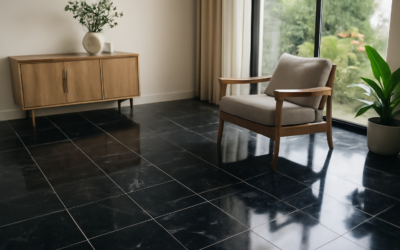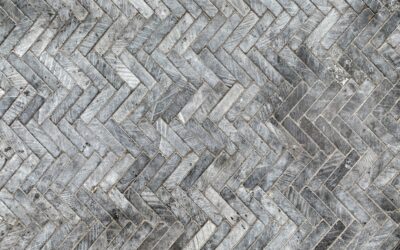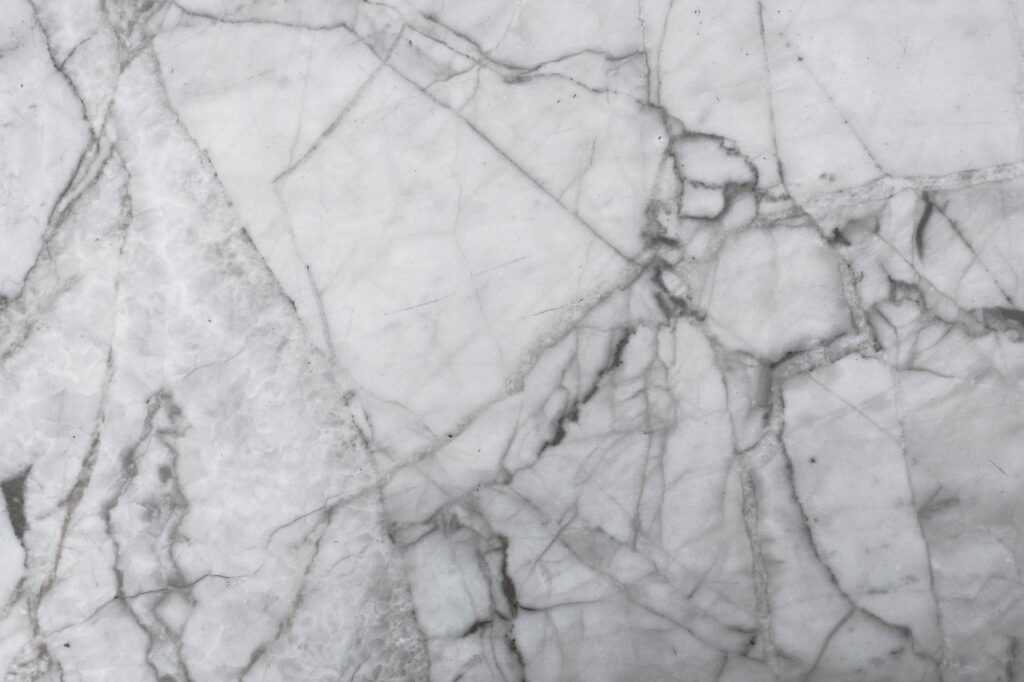
Marble has covered the floors of palaces and cathedrals for over two thousand years, and it still signals luxury the moment you step on it. Natural marble tile is quarried stone cut into slabs and tiles — no two pieces are identical, and that veining is exactly why designers keep specifying it. But marble is also a soft, porous, acid-sensitive stone that punishes careless owners. This guide walks you through the popular varieties, honest pricing, where it belongs, and the maintenance realities most showrooms gloss over.
Part of our Countertops guide — explore the full guide →
What Sets Natural Marble Apart from Look-Alikes
Porcelain and quartz makers print marble visuals so convincingly that many buyers can’t tell the difference at a glance. The distinction matters, though. Genuine marble is metamorphic limestone with real mineral veining running all the way through the tile, a cool touch, and slight translucency at the edges. It also has quirks a printed tile never will: fossil flecks, color variation between boxes, and the occasional natural fissure.
If you want the unmistakable depth and the resale cachet of the real thing, natural stone delivers. If you want the look in a splash-prone kitchen with zero babysitting, a marble-look porcelain is the smarter pick. Knowing which one you’re buying — and why — prevents disappointment later.
Popular Types of Marble Tile
Marble is named for the quarry region it comes from, and each has a signature color and vein pattern:
- Carrara: Soft white-gray background with fine, feathery gray veining. The most common and most affordable — a designer staple.
- Calacatta: Brighter white field with bold, dramatic gray-and-gold veining. Rarer and pricier than Carrara.
- Statuario: Bright white with striking dark-gray veining; a premium choice for statement floors and showers.
- Emperador: Rich brown tones from Spain, ranging from light to dark chocolate with lighter veining.
- Crema Marfil: Warm creamy beige, versatile and forgiving of foot traffic.
Finish changes the look and the safety profile. Polished marble is glossy and slick — beautiful on walls, risky on wet floors. Honed marble is matte, more slip-resistant, and hides etching better. Tumbled and brushed finishes give an aged, textured surface that suits rustic and Old-World designs.
Best Places to Use Marble Tile
Marble shines in low-to-moderate-traffic, dry-to-occasionally-wet spaces. Bathroom floors and walls, shower surrounds, fireplace surrounds, entry foyers, and kitchen backsplashes are all excellent uses. On a backsplash, marble sees almost no abrasion and stays gorgeous for decades with minimal fuss.
Where you should think twice: kitchen countertops and busy kitchen floors. Lemon juice, wine, vinegar, and tomato sauce all etch marble, leaving dull spots that no amount of cleaning removes. Plenty of homeowners live happily with a patina of etch marks — it’s part of marble’s character in Europe — but if a flawless surface is your goal, keep marble out of the splash zone or seal it religiously.
What Natural Marble Tile Costs
Pricing depends heavily on the variety and format. As a working range for the tile alone:
- Carrara marble tile: $5 to $15 per square foot
- Crema Marfil / Emperador: $7 to $18 per square foot
- Calacatta / Statuario: $15 to $40+ per square foot
- Mosaic and hexagon sheets: $10 to $30 per square foot
Professional installation typically runs $8 to $15 per square foot, higher for intricate mosaic or herringbone layouts. For a mid-size bathroom of roughly 100 square feet in Carrara with pro installation, plan on $2,000 to $3,500 including materials and sealer. Add a premium marble like Calacatta and that figure can double.
Sealing and Installation Essentials
Marble’s biggest weakness is porosity, so sealing is the single most important step:
- Seal before grouting. Especially on white marble, grout haze stains porous stone permanently. Apply a penetrating (impregnating) sealer to the faces first.
- Use white thinset and non-sanded grout. Gray thinset can shadow through white marble, and sanded grout scratches polished surfaces. White or light non-sanded grout is the safe pick for polished stone.
- Keep joints tight. Rectified marble tile is meant for narrow 1/16 to 1/8 inch joints for that clean, seamless look.
- Reseal on a schedule. High-use floors want a fresh coat every year; backsplashes can stretch to every 2 to 3 years. Test with a few drops of water — if it darkens the stone quickly, reseal.
Because natural marble varies box to box, always open every carton and dry-lay the tile before you set anything. Blend tiles from different boxes across the floor so color shifts distribute evenly instead of forming an obvious patch.
Cleaning and Everyday Care
Treat marble gently. Dust-mop floors regularly so grit doesn’t scratch the polish, and wipe spills — particularly anything acidic — immediately. Clean only with a pH-neutral stone cleaner or a few drops of mild dish soap in warm water. Never use vinegar, lemon, bleach, ammonia, or generic bathroom sprays; they etch and dull the surface fast.
For light etch marks on honed marble, a marble polishing powder can buff them out. Deeper etching or scratches on polished stone usually needs a professional restoration crew to hone and re-polish. Use coasters, trivets, and mats at entrances, and keep felt pads under furniture legs. A little discipline keeps marble looking museum-grade for a lifetime.
Pros and Cons Before You Commit
Weigh the trade-offs with clear eyes:
- Pros: Unmatched elegance and depth, each tile is one of a kind, stays cool in hot climates, boosts resale value, and can be re-honed and refinished rather than replaced.
- Cons: Etches from acids, scratches and chips more easily than porcelain, requires regular sealing, can be slippery when polished and wet, and premium varieties are expensive.
The honest bottom line: marble rewards owners who accept a little upkeep and a natural patina. If that sounds like more babysitting than you want, a marble-look porcelain gives you the visual with none of the sealing — but you’ll never quite match the genuine article’s depth.
Common Questions About Marble Tile
How long does natural marble tile last? Properly installed and maintained, marble lasts a lifetime and beyond — many European floors are centuries old. Unlike porcelain, marble can be re-honed and re-polished when it dulls, so a tired floor can be restored rather than replaced. That longevity is a big part of its value proposition.
Is marble tile slippery? Polished marble is slick when wet, which is why honed or textured finishes are recommended for bathroom and shower floors. Small-format mosaic marble on a shower floor adds grip because the extra grout lines break up the surface. For a polished floor, area rugs and mats at wet zones reduce the risk.
Can marble tile be used outdoors? In mild climates, yes, but marble is porous and can crack in freeze-thaw cycles and etch from acid rain. In cold regions, a dense granite or porcelain is a safer exterior choice. Keep marble to covered or interior spaces where it stays protected.
Final Word
Chosen for the right room and cared for properly, natural marble tile is one of the few materials that genuinely improves a home’s perceived value and lasts generations. Pick a variety and finish that fit how the space gets used, seal it before grouting, keep acids away from it, and you’ll have a surface that looks as timeless in 30 years as it does on installation day.
Prefer to explore on your own?
See how new flooring looks in your actual room in seconds — free, no signup.
Try the free Floor Studio →