Marble mosaic tile brings the timeless elegance of natural stone in small, artful pieces that catch light and add texture to floors, walls, and backsplashes. Whether it is a classic white-and-gray hexagon, a basketweave shower floor, or a herringbone accent strip, marble mosaic delivers a high-end, custom look. But marble is a natural stone that demands sealing and gentle care, so knowing how to use and maintain it is essential before you commit. This guide covers patterns, best uses, installation, and upkeep.
Part of our Countertops guide — explore the full guide →
What Marble Mosaic Tile Is
Mosaic tile is made of small pieces, usually under about 2 inches, mounted on a mesh or paper backing in sheets so they can be installed as a group rather than one tiny piece at a time. Marble mosaic uses genuine natural marble for those pieces, which means real stone veining, depth, and variation in every sheet. No two installations look exactly alike, which is part of the appeal.
Common marbles include classic white-and-gray Carrara, brighter Calacatta, and warmer stones, often combined into multi-tone patterns. Finishes range from polished and glossy to honed matte and tumbled, with a soft, aged edge.
Popular Patterns
- Hexagon: A timeless honeycomb look, especially classic in bathrooms and on shower floors.
- Basketweave: Interlocking rectangles and dots evoking vintage and traditional baths.
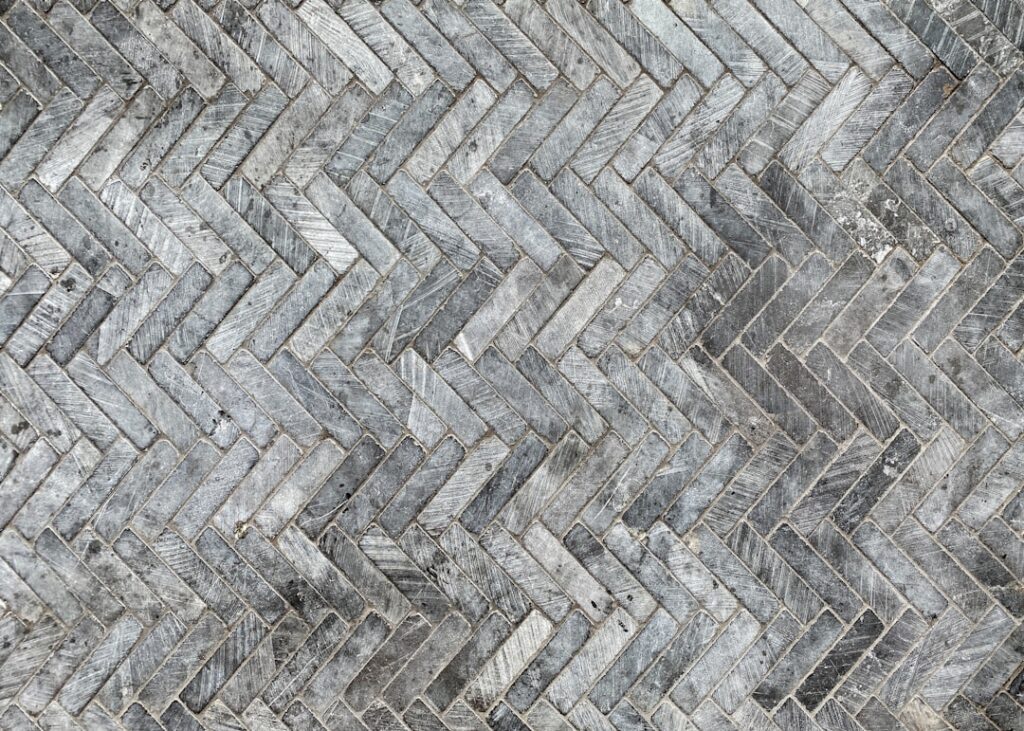
- Herringbone: Angled rectangles that add elegant movement to backsplashes and feature walls.
- Penny round: Small circles that read playful and retro, great for shower floors with extra grip.
- Subway and brick: Small offset rectangles for a refined take on a familiar layout.
Best Places to Use It
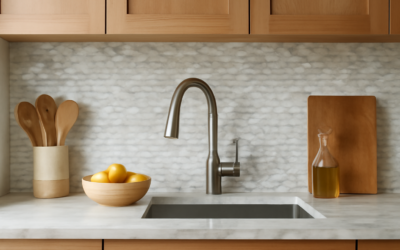
Backsplashes are a favorite home for marble mosaic, where a herringbone or subway pattern adds luxury behind a range without covering a large, costly area. Bathroom and shower floors love small mosaic patterns like hexagon and penny round, because the abundance of grout lines provides slip resistance underfoot.
Marble mosaic also makes a beautiful feature wall, fireplace surround, or accent border within a larger plain-tile installation. Because the small pieces conform to curves and niches, mosaic sheets are ideal for shower niches and rounded shower floors where large tile would not fit cleanly.
Sealing Is Non-Negotiable
Marble is a porous, calcium-based stone, which makes it vulnerable to staining and etching. Acidic substances, lemon juice, wine, coffee, vinegar, and many cleaners, can etch the surface, leaving dull marks even on sealed marble. To protect it, marble mosaic must be sealed with a quality penetrating stone sealer before grouting and resealed periodically afterward.
Plan to reseal roughly every six months to a couple of years depending on use and the sealer, and test by dripping water on the surface; if it soaks in rather than beading, it is time to reseal. In wet and high-use areas, sealing is what keeps marble looking pristine.
Installation Tips
- Use a white thin-set under light-colored marble, since gray thin-set can show through the translucent stone and darken the tile.
- Seal before grouting so grout does not stain the porous marble or leave haze on the surface.
- Choose grout color carefully. A soft white or gray usually complements marble; high-contrast grout turns the pattern into a graphic statement.
- Dry-lay the sheets first to stagger the mesh seams so the joints between sheets blend into the overall pattern.
- Handle gently. Marble chips and scratches more easily than porcelain, so cut with the right blade and set carefully.
Cleaning and Everyday Care
Clean marble mosaic with a pH-neutral stone cleaner and a soft cloth or mop. Never use acidic cleaners, vinegar, or harsh abrasives, which etch and dull the stone. Wipe spills promptly, especially anything acidic, and use a soft cloth rather than a scouring pad. In showers, a daily squeegee reduces soap film and water spots and helps keep grout lines clean.
With proper sealing and gentle cleaning, marble develops a soft, refined patina over time that many homeowners prize. Neglect the sealing, though, and stains and etching set in quickly.
Choosing the Right Marble and Finish
Different marbles bring different looks, so match the stone to your style. Carrara is the most common and affordable, with soft gray feathery veining on a white-gray background. Calacatta is brighter white with bolder, more dramatic veining and a higher price. Warmer marbles add cream and gold tones for a softer, more traditional feel. Within any of these, the finish changes everything: polished marble is glossy and reflective but shows etching more readily, honed marble is matte and hides minor wear better, and tumbled marble has a soft, aged, slightly textured surface that suits rustic and Old World designs.
For floors, especially showers, a honed or tumbled finish offers more slip resistance than a slick polished surface. For walls and backsplashes where slip is not a concern, polished marble delivers maximum shine and depth. Request samples in your own lighting, since marble’s veining and tone shift noticeably between a showroom and your home.
Where to Avoid Marble Mosaic
As beautiful as it is, marble is not the right pick everywhere. Skip it on kitchen countertops and around cooktops where acidic foods, citrus, wine, and oils, will etch and stain the porous stone despite sealing. It is also a questionable choice for a heavily used entry floor exposed to grit and de-icing salt. In these spots, porcelain that mimics marble gives you the look with none of the maintenance worry. Reserve genuine marble mosaic for walls, backsplashes, shower surrounds, and lower-traffic floors where its elegance can shine without constant risk.
Cost Expectations
Marble mosaic tile generally runs higher than ceramic or porcelain mosaic, often in the range of roughly $10 to $40 per square foot for the material, with premium marbles and intricate patterns costing more. Installation adds to the total, and the detailed work of setting and aligning mosaic sheets means labor is typically higher than for large-format tile. Because mosaics are often used as accents, you can enjoy the luxury look without tiling an entire room.
Final Word
Marble mosaic tile delivers genuine natural-stone elegance in versatile small-scale patterns perfect for backsplashes, shower floors, and accents. The trade-off is care: seal it before grouting and on a regular schedule, clean only with pH-neutral products, and wipe acidic spills fast. Respect the stone, use it where its beauty shines as an accent or feature, and marble mosaic will give your space a refined, custom look that stays gorgeous for years.
Prefer to explore on your own?
See how new flooring looks in your actual room in seconds — free, no signup.
Try the free Floor Studio →