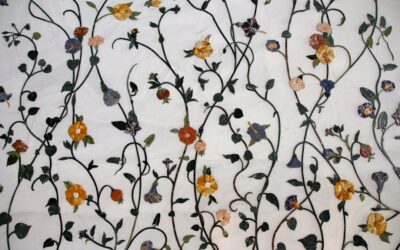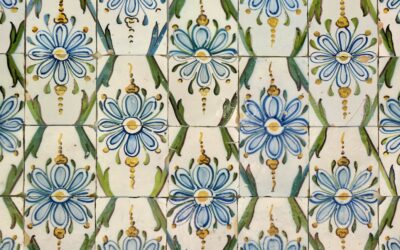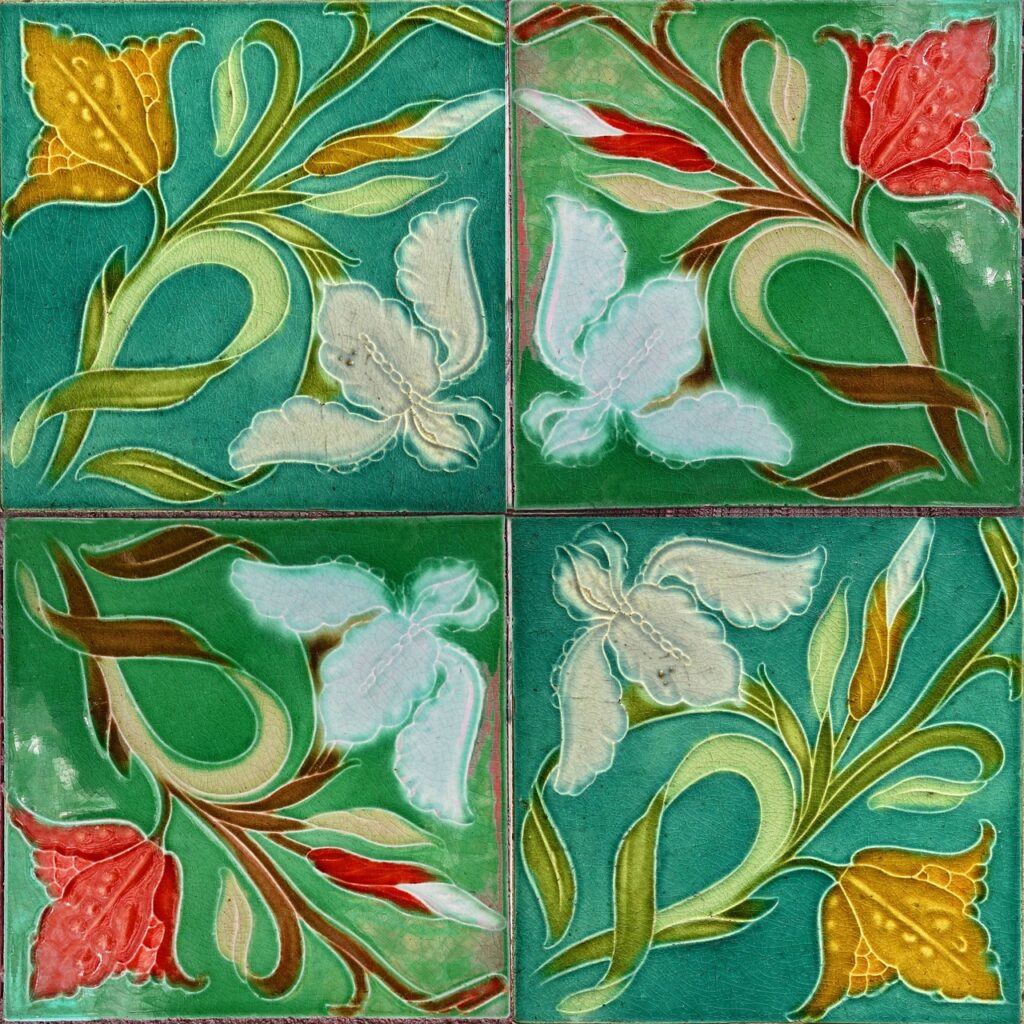
Floral mosaic tile turns an ordinary floor or wall into a focal point, arranging small pieces of stone, glass, or porcelain into blooming patterns that feel handcrafted. Whether you want a bold medallion in an entryway or a delicate vine creeping up a backsplash, floral mosaic tile gives you a level of artistry that plain field tile simply cannot match.
Part of our Tile & Grout guide — explore the full guide →
This guide covers the materials, common patterns, ideal locations, installation considerations, and the cleaning routine that keeps the design looking crisp for years. Use it to plan a project that fits both your style and your budget.
What Is Floral Mosaic Tile?
Mosaic tile is made of small pieces, typically under two inches across, mounted on a mesh or paper backing so you can install many at once. A floral version arranges those pieces into flowers, petals, leaves, and vines, sometimes as a repeating field and sometimes as a single large medallion centered in a room.
The patterns range from geometric, stylized blooms in encaustic-look porcelain to flowing, painterly designs in cut glass and marble. Some are mass-produced on sheets, while others are assembled by hand and sold as custom panels. The format you choose affects both the look and the price, with hand-cut artisan pieces commanding a premium over machine-made sheets.
Common Materials and Their Strengths
The material sets the tone and determines where the tile can go.
- Glass: Reflective and vivid, ideal for backsplashes and accent walls where light brings the colors alive. It resists stains but can scratch on high-traffic floors.
- Natural stone: Marble, travertine, and slate offer organic veining and a soft, timeless palette. Stone needs sealing and is best for moderate-traffic areas.
- Porcelain and ceramic: Durable, low-maintenance, and budget-friendly, with encaustic-look printing that mimics painted cement tile. A strong choice for floors.
- Mixed media: Sheets that combine glass with metal or stone accents add depth and a custom feel.
For floors, prioritize porcelain or honed stone with enough slip resistance. For walls and backsplashes, glass and polished stone shine because they do not bear foot traffic.
Popular Patterns and Color Palettes
Floral designs span a wide stylistic range. Victorian and Art Nouveau motifs use curling vines and symmetrical roses for a vintage, formal feel. Mediterranean and Moroccan styles favor bold, repeating geometric flowers in saturated blues, greens, and terracotta. Modern interpretations keep the bloom abstract, using two or three muted tones for a subtle texture rather than a statement.
When picking colors, consider the surrounding palette. A multicolor medallion works best against quiet walls and simple cabinetry so the tile stays the star. If your space is already busy, a tone-on-tone floral, where the flowers differ only slightly from the background, adds interest without overwhelming the room.
Best Places to Use Floral Mosaic Tile
Because mosaic work is labor-intensive, it pays to use it where it makes the biggest impact. An entryway medallion greets guests and anchors an open floor plan. A kitchen backsplash framed by plain subway tile becomes a piece of art behind the range. Bathroom floors, shower niches, and powder room accent walls are also natural homes for floral patterns.
You can also use floral mosaic as a border or inset rather than covering an entire surface. A ribbon of flowers around a plain tile floor, or a single inlaid panel in a shower, delivers the decorative payoff at a fraction of the cost and installation time.
Installation Considerations
Mosaic sheets install much like larger tile, but the small pieces demand extra care.
- Start with a flat, clean, fully cured substrate, since mosaics telegraph any unevenness in the surface beneath them.
- Use a white or appropriately tinted thinset for glass and light stone so the adhesive does not show through.
- Dry-lay sheets first to align the pattern and plan your cuts, especially for medallions that must stay centered.
- Press sheets evenly with a grout float or beating block so no individual piece sits proud of the rest.
- Let the thinset cure fully before grouting, then choose a grout color that complements rather than fights the design.
Intricate medallions and hand-cut panels are often worth handing to an experienced tile setter. The cost of professional installation is small insurance against a misaligned pattern you will see every day.
Cleaning and Maintenance
Routine care keeps the colors bright and the grout lines clean. Sweep or vacuum floors regularly to remove grit that can dull glass and scratch stone. For everyday cleaning, use a pH-neutral cleaner and a soft cloth or mop; avoid acidic or abrasive products, which etch marble and can fog glass.
Grout is the main maintenance point because mosaics have many more grout lines than standard tile. Seal cement grout after installation and reseal periodically, and address stains promptly with a gentle grout cleaner. Natural-stone mosaics also need a stone sealer applied on a schedule recommended by the manufacturer to resist water and staining.
Is Floral Mosaic Tile Right for You?
If you want a surface that doubles as decor and you are comfortable with a higher material cost and more careful installation, floral mosaic tile is a rewarding choice. It works beautifully as a focused accent, an entry medallion, or a backsplash centerpiece, letting you add personality without renovating an entire room.
Plan the pattern around your existing finishes, choose a material suited to the location’s traffic and moisture, and budget for sealing and professional setting on the most intricate designs. Done well, a floral mosaic becomes a lasting feature that gives your home a custom, collected character.
Budgeting for a Floral Mosaic Project
Mosaic tile costs more than plain field tile, and floral designs sit at the higher end because of the labor behind them. Machine-made porcelain or glass sheets are the most affordable, while hand-cut stone and custom artisan panels carry a significant premium. Because pricing varies widely by material, brand, and region, treat any figure you see as an estimate and gather local quotes before you commit.
You can stretch a budget by reserving the floral mosaic for a focal accent, an entry inset, a single backsplash panel, or a shower niche, and surrounding it with inexpensive plain tile. This approach delivers the decorative impact where it counts while keeping both material and labor costs in check. Remember to add for thinset, grout, sealer, and the extra setting time intricate patterns require, since those line items add up on a detailed installation.
Prefer to explore on your own?
See how new flooring looks in your actual room in seconds — free, no signup.
Try the free Floor Studio →