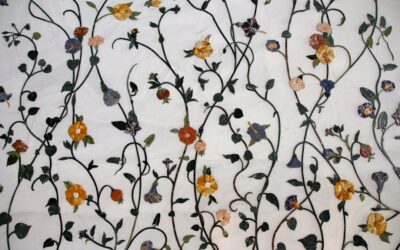
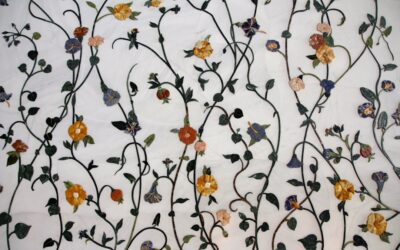
Few tiles feel as joyful and timeless as blue floral tile, a pattern that draws on centuries of ceramic tradition from Portuguese azulejos to Dutch Delft and Spanish talavera. The cool serenity of blue combined with the organic softness of floral motifs creates a surface that feels both fresh and steeped in history. Whether you want a romantic backsplash, a statement bathroom floor, or a charming accent wall, blue floral tile brings pattern, personality, and old-world character to your home. This guide explores the styles, applications, costs, and styling ideas to help you use it beautifully.
Part of our Tile & Grout guide — explore the full guide →
The Timeless Charm of Blue Floral Tile
Blue and white is one of the most enduring color pairings in decorative arts, and adding floral motifs only deepens its appeal. The blue reads as calm, clean, and classic, while the flowers introduce movement, softness, and a hand-painted quality that machine-made solids cannot match. Together they evoke sun-drenched Mediterranean courtyards, cozy cottage kitchens, and elegant heritage homes all at once. Because the palette is essentially neutral, it layers effortlessly with wood, white, brass, and greenery.
This is a pattern that has charmed homeowners for generations precisely because it never feels dated. It carries a sense of craft and story that instantly warms a room.
Popular Styles and Traditions
Blue floral tile spans many cultural traditions, each with its own distinct flavor. Knowing the styles helps you choose the mood you want.
- Portuguese azulejo: Intricate blue-and-white scenes and repeating florals with old-world grandeur.
- Dutch Delft: Delicate hand-painted flowers and pastoral motifs on a white ground.
- Spanish and Mexican talavera: Bolder, folk-art florals often mixing blue with warm accents.
- Moroccan and encaustic: Geometric-floral hybrids in deep, saturated blues.
- Modern watercolor florals: Soft, contemporary blooms for a fresh, updated look.
Many collections offer coordinating solid tiles so you can frame a floral field with plain blue or white, controlling how bold the finished surface feels. Mixing patterned and solid tiles is a classic way to balance drama with calm.
Where to Use Blue Floral Tile
This versatile pattern brings life to many spaces. Kitchen backsplashes are a favorite, where a floral band behind the range or sink becomes a cheerful focal point. Bathroom floors and shower niches take on jewel-box charm, and powder rooms make an unforgettable impression with a bold patterned wall. Entryways, stair risers, fireplace surrounds, and laundry rooms all gain instant personality from a touch of blue floral tile. Even a single accent stripe within plain tile adds a delightful surprise.
Because blue feels clean and refreshing, it suits water-oriented rooms like kitchens and baths especially well, reinforcing a sense of calm and cleanliness.
Blue Floral Tile Cost
Pricing depends on the material, origin, and whether the tile is hand-painted or machine-printed. These ranges will guide your budget.
- Printed ceramic or porcelain: $5 to $15 per square foot.
- Hand-painted or imported tile: $15 to $40 per square foot.
- Encaustic cement floral tile: $10 to $30 per square foot.
- Professional installation: $8 to $16 per square foot, more for intricate layouts.
Because accent areas like backsplashes use little material, even a premium hand-painted tile stays affordable in that role. Larger floors cost more, so many homeowners reserve the floral pattern for feature zones and pair it with plain tile elsewhere.
Designing With Floral Pattern
Bold pattern rewards a thoughtful surrounding palette. A few reliable strategies keep the look polished rather than busy.
- Let the tile be the star and keep cabinetry, counters, and walls relatively simple.
- Pull the blue from the tile into paint, textiles, or accessories for cohesion.
- Pair cool blue florals with warm woods and brass to balance the temperature.
- Frame busy patterns with a border of solid tile to give the eye a rest.
- Add greenery and natural textures, which read beautifully against blue and white.
Buying a few sample tiles and laying them out at home reveals how the repeat looks in your light and against your fixtures, preventing surprises after installation.
It also helps to decide early how much pattern you want. A full wall or floor of floral tile makes a dramatic, immersive statement, while a single band, a framed panel, or scattered patterned tiles among solids delivers charm with restraint. Because blue florals carry so much character, even a modest amount reads clearly, so you rarely need to cover every surface to achieve the effect. Choosing the right dose of pattern for your space is often the difference between a room that feels curated and one that feels overwhelming.
Material and Finish Choices
Several tile bodies can carry the floral look, each with trade-offs. Glazed porcelain and ceramic are the most practical, offering durability, moisture resistance, and easy care with no sealing required, making them ideal for backsplashes, floors, and wet areas. Hand-painted ceramic delivers authentic artisan depth and subtle variation but costs more and can be less uniform. Encaustic cement tiles provide genuine matte, old-world texture but need sealing and gentler maintenance. For most homeowners, glazed porcelain or ceramic offers the best blend of beauty and practicality, especially in busy kitchens and bathrooms.
Care and Maintenance
Keeping blue floral tile fresh is simple with glazed varieties, which need only regular wiping with a damp cloth and pH-neutral cleaner. The pattern sits beneath a protective glaze, so it will not wear away with normal use. Grout lines benefit from occasional sealing to stay bright, particularly against light tile where grime shows. Hand-painted and cement tiles require gentler care and periodic sealing to protect their surface. Avoiding harsh abrasive pads preserves the glaze and colors. With minimal upkeep, the tile holds its charming, hand-crafted beauty for many years.
Installation and Layout Planning
Patterned floral tile rewards careful layout planning because the design must flow cohesively across the surface. Many floral tiles are directional or form a larger repeating motif when set correctly, so understanding the pattern before you begin is essential. Dry-laying the tiles first lets you map the repeat, center the design in the space, and avoid awkward partial motifs at the most visible edges.
Grout choice also shapes the finished look. A grout color matched to the tile background creates a seamless field that lets the flowers read as a continuous pattern, while a contrasting grout emphasizes each individual tile for a more graphic, tiled effect. For a hand-painted or cement floral tile, sealing before grouting protects the surface from staining, and gentle grout cleanup prevents haze from clinging to any texture.
Keep these pointers in mind for a polished installation:
- Study the pattern and confirm tile orientation before spreading mortar.
- Dry-lay a section to center the design and plan cuts at the edges.
- Order extra material to cover cuts, breakage, and future repairs.
- Choose a grout color that either blends with or intentionally frames the pattern.
- Seal cement or hand-painted tiles before grouting to prevent staining.
Because aligning a repeating floral motif takes precision, many homeowners hire an experienced tile setter for larger installations, especially patterned floors. The care invested in planning the layout ensures the flowers flow beautifully across the surface rather than looking chopped or mismatched, giving you the charming, cohesive result the pattern promises.
Bringing Floral Charm Home
Choosing blue floral tile is a decision to bring craft, history, and cheerful personality into your home through a pattern that has delighted people for centuries. Select a tradition and motif that speak to your style, concentrate the pattern where it will make the biggest impression, and keep the surrounding surfaces calm so the flowers can shine. Balance the cool blue with warm woods and natural textures, choose a durable glazed body for busy areas, and maintain it with gentle care. The reward is a space full of timeless charm, a surface that feels both classic and joyful every single day.
Prefer to explore on your own?
See how new flooring looks in your actual room in seconds — free, no signup.
Try the free Floor Studio →