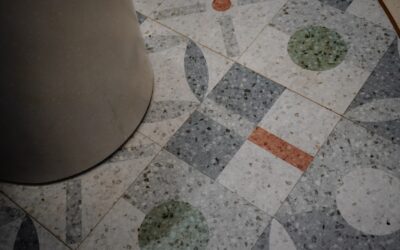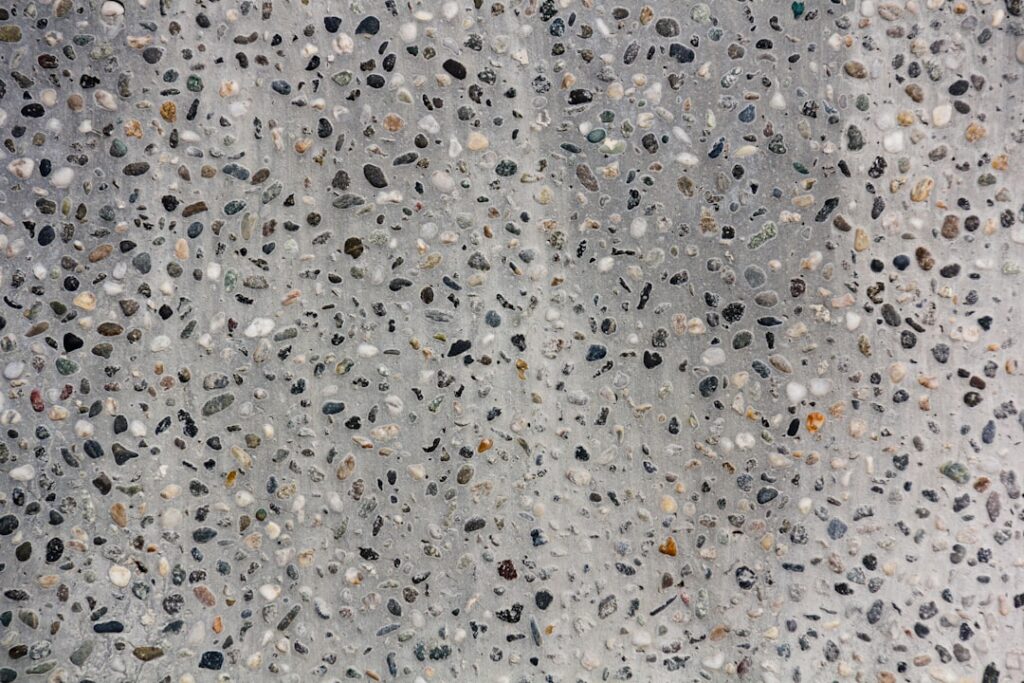
Terrazzo has swept back into interiors with confetti-like charm, and blue terrazzo tile is one of the freshest ways to ride that wave. The scattered chips of marble, glass, and stone suspended in a colored base give this surface a playful, artistic quality, and dialing the palette toward blue lends it a cool, coastal, and unmistakably modern feel. Whether you love the retro roots of terrazzo or its trend-forward reinvention, a blue version brings personality that plain tile simply cannot. This guide covers the styles, formats, costs, and decorating ideas to help you use it beautifully.
Part of our Tile & Grout guide — explore the full guide →
What Makes Blue Terrazzo Tile Special
Traditional terrazzo is a composite: aggregate chips set into cement or resin, then ground and polished smooth. The result is a surface that reads as many colors at once, catching the eye with tiny flecks of contrast. When the binder or the chips carry blue tones, the whole tile takes on a serene, watery quality that feels equally at home in a beach house or a bold contemporary loft.
Because the pattern is inherently random, no two tiles look identical, giving your floor or wall a handcrafted, one-of-a-kind character. That built-in variation is also forgiving in daily life, hiding minor dust and wear far better than a solid-color surface. It is a rare combination of statement-making style and everyday practicality.
Shades of Blue to Consider
Blue is a wide spectrum, and the tone you choose shapes the entire atmosphere of a room. Consider how each direction reads before you commit.
- Sky and powder blue: Soft, airy backdrops that feel calm and light-filled.
- Navy and cobalt: Deep, saturated bases that make white and pastel chips pop dramatically.
- Teal and turquoise: Green-leaning blues with a lively, coastal, retro energy.
- Slate and denim blue: Muted, grayed tones for a sophisticated, understated look.
The chips embedded in the tile matter just as much as the base. Warm terracotta or pink flecks against blue create cheerful contrast, while white and gray chips keep things crisp and elegant. Always view a full tile in your own lighting, since terrazzo can shift noticeably between showroom and home.
Where to Use Blue Terrazzo Tile
This versatile material adapts to nearly every room, though it especially shines where you want a jolt of personality. Bathrooms are a favorite, wrapping floors and shower walls in a cool, spa-like envelope. Kitchens gain a playful backsplash or a durable, easy-clean floor. Entryways make a memorable first impression, and laundry rooms or powder rooms become unexpectedly delightful. You can also use it as a countertop or a single accent wall when a full room feels like too much commitment.
Because blue reads as calming and clean, it pairs naturally with water-oriented spaces, making it a smart choice for bathrooms and kitchens where moisture and busy activity meet.
Real Terrazzo Versus Terrazzo-Look Tile
You have two main routes to the look. Genuine terrazzo, whether poured in place or precast into tiles, offers authentic depth and a substantial feel but costs more and requires sealing and specialized installation. Porcelain tiles printed with a terrazzo pattern have become remarkably convincing and offer big advantages: they are less expensive, need no sealing, resist stains and moisture, and install like any standard tile. For most homeowners chasing the blue terrazzo aesthetic, porcelain delivers ninety percent of the charm at a fraction of the cost and upkeep.
Choose authentic terrazzo when you want a true, high-end architectural surface and have the budget for it. Choose porcelain when practicality, price, and easy maintenance are priorities, which for most residential projects they are.
Blue Terrazzo Tile Cost Guide
Budget varies widely depending on which version you choose. These ranges will help you plan.
- Terrazzo-look porcelain tile: $4 to $12 per square foot for material.
- Precast terrazzo tiles: $15 to $40 per square foot.
- Poured-in-place terrazzo: $25 to $90 per square foot installed.
- Professional tile installation: $7 to $15 per square foot.
A small powder-room floor in porcelain terrazzo might cost only a few hundred dollars in material, while a poured epoxy terrazzo floor in an open living area can run into the thousands. Porcelain keeps the project accessible, especially for accent applications where a little goes a long way.
Styling Blue Terrazzo Tile
Because terrazzo is already busy with color, the surrounding palette should stay relatively restrained so the tile can breathe. A few reliable strategies help:
- Pull one chip color from the tile and echo it in paint, textiles, or fixtures.
- Pair blue terrazzo with warm woods and brass to balance its coolness.
- Keep large surfaces like cabinetry or walls in a solid, quiet tone.
- Use white grout with white-flecked terrazzo for a seamless, clean effect.
- Add greenery, since plants read beautifully against a blue speckled backdrop.
Metallic accents in brass or matte black sharpen the modern edge, while natural rattan and linen soften it toward a relaxed, coastal mood. Let your other choices decide which direction the tile leans.
Care and Maintenance
Upkeep depends on the material. Porcelain terrazzo is nearly maintenance-free, needing only regular sweeping and a damp mop with a pH-neutral cleaner. Genuine cement or resin terrazzo should be sealed on installation and periodically resealed to guard against staining, and it responds best to gentle, non-acidic cleaners that protect both the binder and the polished aggregate. Avoid harsh abrasives on any version, as they can dull the surface over time. With minimal routine care, either type will hold its vibrant, speckled good looks for many years.
Installation and Layout Tips
Getting the most from blue terrazzo tile starts with thoughtful installation, whether you choose porcelain or genuine terrazzo. Because the speckled pattern is busy and often continuous, planning the layout to center the field and minimize awkward partial tiles at prominent edges makes a noticeable difference in the finished look. Dry-lay a section first to see how the chips and tones distribute across the space.
For porcelain terrazzo, installation follows standard tile practice: a quality thin-set, uniform grout lines, and a grout color chosen to either blend with the base or subtly frame each tile. Matching grout to the terrazzo background creates a seamless, expansive field, while a contrasting grout emphasizes the individual tiles. Genuine cement or resin terrazzo is heavier and requires sealing, and poured-in-place versions demand specialized installers who grind and polish the surface on site.
Keep these pointers in mind for a polished result:
- Blend tiles from several boxes to distribute color and chip variation evenly.
- Order extra material to cover cuts and future repairs, since dye lots vary.
- Seal genuine terrazzo on installation and choose a grout that complements the base tone.
- In wet areas, ensure proper waterproofing behind and beneath the tile.
- For large-format tiles, use a leveling system to keep the surface perfectly flat.
Because terrazzo makes such a strong visual statement, investing in careful installation ensures the pattern flows beautifully rather than looking chopped or mismatched. For genuine poured terrazzo especially, a skilled specialist is essential to achieve that signature smooth, polished finish.
Final Design Thoughts
Choosing blue terrazzo tile is a confident, joyful design move that layers texture, color, and a touch of nostalgia into your home. Decide first whether authentic terrazzo or a porcelain look-alike suits your budget and maintenance appetite, then select a blue tone and chip palette that flatter your light and complement your decor. Keep surrounding surfaces calm, add warm accents to balance the cool, and let the speckled pattern carry the personality of the room. Used thoughtfully, this cheerful, characterful surface turns even a small space into something memorable and distinctly your own.
Prefer to explore on your own?
See how new flooring looks in your actual room in seconds — free, no signup.
Try the free Floor Studio →