Terrazzo spent decades associated with school hallways and airport floors, and then designers rediscovered it. Today a terrazzo tile backsplash is one of the most requested ways to add playful, speckled character to a kitchen without committing to a bold solid color. The scattered chips of marble, quartz, and glass give the surface movement and depth, tying together countertops, cabinets, and hardware in a way plain subway tile never could. Whether you want a subtle whisper of speckle or a confetti-bright statement, terrazzo tile makes it achievable and durable.
Part of our Kitchen Remodeling guide — explore the full guide →
What Terrazzo Tile Actually Is
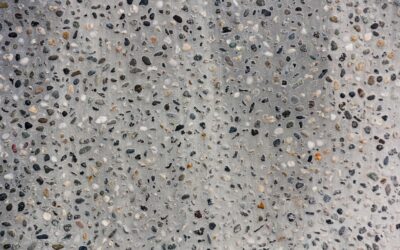
Traditional terrazzo is a composite: chips of marble, granite, quartz, or glass set into a cement or epoxy binder, then ground and polished smooth. Terrazzo tile takes that same material and casts it into individual tiles, or reproduces the look in porcelain. That distinction matters for a backsplash. Genuine terrazzo tiles, made of real aggregate in a binder, offer authentic depth and texture but need sealing. Porcelain terrazzo-look tiles print the speckled pattern on a dense, zero-maintenance body that never needs sealing and resists stains completely. Both give the aesthetic; they differ in upkeep and price.
Why Terrazzo Works on a Backsplash
A backsplash is the perfect place for terrazzo because it is seen constantly but rarely abused. The speckled pattern does several things at once. It hides splatter, water spots, and minor grime far better than a solid tile, which is a real advantage behind a busy range or sink. It adds visual interest without the commitment of a strong color, since the base is usually neutral with pops of color in the chips. And it bridges materials beautifully; the flecks can echo the veining in a countertop or the tone of the cabinets, making the whole kitchen feel coordinated.
Choosing Your Terrazzo Style
Terrazzo comes in a spectrum from restrained to riotous, and the density and color of the chips set the tone.
- Micro-terrazzo: tiny, tightly packed chips that read almost as a solid texture from a distance, subtle and modern.
- Large-aggregate terrazzo: big, bold chips scattered on a light base for a striking, contemporary statement.
- Neutral palette: cream, gray, and beige chips on a white or off-white base for a soft, versatile look.
- Colorful confetti: pink, green, blue, or terracotta flecks for a playful, retro-modern kitchen.
Order samples and view them against your actual countertop and cabinets, because terrazzo interacts strongly with the colors around it.
Real Terrazzo Versus Porcelain Look-Alikes
For most kitchen backsplashes, porcelain terrazzo-look tile is the practical winner. It costs less, never needs sealing, wipes clean of grease and tomato sauce instantly, and comes in large formats that minimize grout lines. Genuine terrazzo tile is the choice when you want authentic material and are willing to seal it and pay more for the real thing. Cement-based terrazzo in particular is porous and must be sealed to survive kitchen splatter. Unless you specifically want real aggregate underhand, porcelain gives you the terrazzo look with none of the maintenance headaches.
Grout and Layout Choices
With a busy pattern like terrazzo, grout should recede rather than compete. Choose a grout color that closely matches the tile’s base tone so the joints nearly disappear and the speckle carries the design. A contrasting grout fights the pattern and makes the wall look chaotic. Large-format terrazzo tiles, 12 by 24 inches or bigger, are especially effective on a backsplash because they show off more of the aggregate pattern with fewer interruptions, creating an almost slab-like continuous look. Stack them or run them horizontally; the terrazzo pattern does not need a fancy layout to shine.
Cost Expectations
Porcelain terrazzo-look tile runs roughly $6 to $15 per square foot, comparable to other decorative porcelain. Genuine terrazzo tile made from real aggregate ranges from $15 to $35 per square foot depending on the binder and chip content. Installation for a backsplash adds about $10 to $18 per square foot. Because a kitchen backsplash is typically only 25 to 40 square feet, even premium terrazzo stays affordable as a focal-point investment, and choosing porcelain keeps the total well within a modest remodel budget.
Installation Considerations
Terrazzo tile installs like any quality wall tile, with a few notes. Because the pattern is random, mix tiles from several boxes and dry-lay the wall first to distribute the chip density evenly and avoid an obvious repeat where the same tile face lands next to itself. Use a white thinset under lighter tiles so it does not shadow through. If you are setting real terrazzo, handle it carefully since the aggregate can chip at cut edges, and use a fine diamond blade. Keep grout joints tight and consistent, then seal genuine terrazzo before and after grouting.
Care and Maintenance
Porcelain terrazzo is effortless: wipe with a mild cleaner and it stays like new, since nothing penetrates the surface. Real terrazzo needs a little more attention. Seal it on installation and reseal periodically, wipe spills promptly, and clean with a pH-neutral stone cleaner rather than acidic products that can etch the marble chips or the cement binder. For both types, keep the grout lines clean and reseal cementitious grout annually. The speckled surface is forgiving by nature, hiding the everyday marks that would show on a solid backsplash, so day-to-day upkeep is genuinely minimal.
Coordinating Terrazzo With Your Kitchen
Terrazzo’s scattered chips are its greatest design tool, because you can echo the colors already in your kitchen. If your countertop has flecks of gray and charcoal, a terrazzo backsplash with matching chips ties the two surfaces together seamlessly. If you want the backsplash to introduce an accent, choose a terrazzo with pops of the color you want to bring into the room, terracotta for warmth, sage for a soft botanical note, or blush for a playful touch. The neutral base keeps the look grounded while the chips do the coordinating work, which is why terrazzo so often makes a kitchen feel pulled-together.
Think about the surrounding finishes too. Terrazzo pairs beautifully with simple flat-front or shaker cabinets, since busy cabinet doors would compete with the speckled surface. Solid-color counters let the terrazzo be the texture star, while a quiet quartz gives it room to breathe. For hardware and fixtures, both warm brass and matte black work depending on the chip colors; pull the metal tone from the warmest or coolest flecks in the tile. Keep the rest of the palette relatively calm and let the terrazzo provide the movement, and the backsplash becomes a cohesive focal point rather than a competing pattern fighting everything else in the room.
The Bottom Line
A terrazzo tile backsplash brings texture, personality, and a designer-approved retro-modern edge to a kitchen while quietly hiding the splatter of daily cooking. Choose porcelain terrazzo-look tile for zero-maintenance durability, or genuine terrazzo if you want authentic aggregate and will keep it sealed. Match the grout to the base color, let large-format tiles show off the pattern, and coordinate the chip colors with your counters and cabinets. Done thoughtfully, terrazzo turns the wall behind your range into the most interesting surface in the room. Order samples, view them against your actual counters and cabinets under kitchen lighting, and dry-lay the tiles to distribute the chip pattern before setting them. That small amount of planning is what makes the difference between a terrazzo backsplash that looks curated and intentional and one where the pattern feels random or repetitive across the wall.
Prefer to explore on your own?
See how new flooring looks in your actual room in seconds — free, no signup.
Try the free Floor Studio →