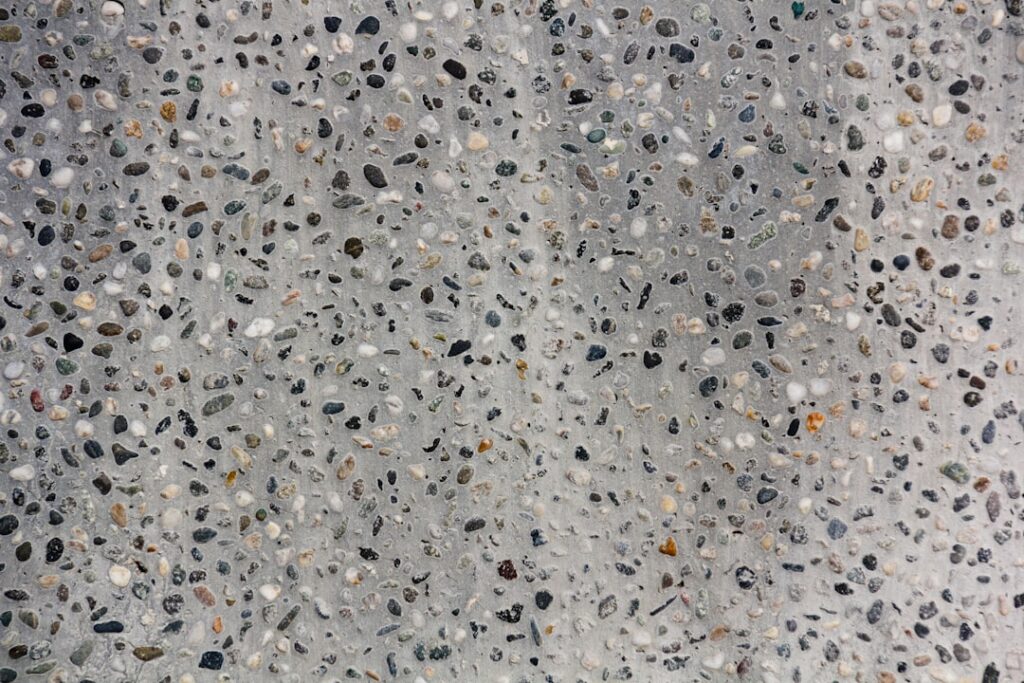
Terrazzo porcelain tile gives you the iconic speckled, confetti-like look of poured terrazzo without the cost, weight, or upkeep of the real thing. Instead of grinding marble and glass chips into a cement or epoxy matrix on site, manufacturers print and fire that pattern onto durable porcelain, so you get the style of a mid-century lobby on a tile you can install in a weekend. It is one of the most versatile design choices available today.
Part of our Tile & Grout guide — explore the full guide →
This guide explains how terrazzo-look porcelain compares to traditional terrazzo, where it works, what sizes and finishes to consider, and how to install and care for it so it looks sharp for decades.
How It Differs From Real Terrazzo
Traditional terrazzo is a composite poured in place or precast, made from stone and glass aggregate set in cement or epoxy, then ground and polished. It is beautiful and long lasting but heavy, expensive, slow to install, and porous enough to need sealing. Porcelain tile, by contrast, is a dense clay-based ceramic fired at high temperature. The terrazzo appearance is created with high-resolution surface designs, giving you the look while keeping the practical advantages of porcelain.
The result is a floor that is far easier to live with: no on-site grinding, no slurry, no lengthy cure, and minimal maintenance. For most homeowners, the visual difference is hard to spot once it is down.
Why Homeowners Choose It
- Durability: Porcelain resists scratches, chips, and heavy traffic, making it suitable for entryways and kitchens.
- Water resistance: Its low porosity means it shrugs off spills and works in bathrooms and laundry rooms.
- Low maintenance: Unlike real terrazzo, it does not require periodic sealing or polishing of the surface.
- Design range: Available in classic neutral speckles, bold large chips, and colorful confetti patterns to match any decor.
- Value: It typically costs a fraction of poured terrazzo to buy and install.
Styles, Sizes, and Finishes
The terrazzo look ranges from subtle to dramatic. Fine, tight speckles read almost like stone from a distance, while large, scattered chips in saturated colors make a playful statement, popular in powder rooms and kitchens. You will find the tiles in formats from small mosaics and 12 by 12 squares up to large-format planks and slabs such as 24 by 48 inches, which minimize grout lines for a more seamless, poured appearance.
Finishes matter for both looks and safety. Matte and honed surfaces offer better slip resistance and a contemporary feel, while polished finishes add shine but can be slick when wet. For floors, and especially wet areas, lean toward matte or textured finishes with a suitable slip rating.
Where to Use Terrazzo Porcelain Tile
Because porcelain is tough and water resistant, terrazzo-look tile fits nearly any room. It is a natural for kitchen floors and backsplashes, bathroom floors and shower walls, entryways, laundry rooms, and open-plan living areas. Large-format slabs even work on feature walls and countertops in some product lines. Many porcelain terrazzo tiles are also rated for outdoor patios in mild climates; just confirm the tile is frost-resistant and rated for exterior use before installing outside.
What It Costs
As a general estimate, terrazzo porcelain tile material runs about $3 to $12 per square foot, with large-format and premium designs reaching the upper end. Professional installation typically adds roughly $5 to $14 per square foot depending on tile size, layout complexity, and subfloor prep. Large-format pieces can cost more to install because they demand a very flat substrate and careful handling. These figures are estimates that vary by region and supplier, so gather a few local quotes before budgeting.
Installation Essentials
Porcelain is harder and denser than ceramic, which affects installation. Keep these points in mind.
- Flat substrate: The subfloor must be clean, dry, and very flat, especially for large-format tiles, to avoid lippage where edges sit unevenly.
- Right thin-set: Use a polymer-modified mortar rated for porcelain and large tiles, and back-butter big pieces for full coverage.
- Cutting: Dense porcelain requires a wet saw with a quality diamond blade; dry scoring tools struggle with it.
- Grout choice: Pick a grout color that complements the speckle, and consider stain-resistant or epoxy grout in wet zones.
- Leveling system: Tile leveling clips help keep large tiles flush during setting.
If you are not experienced with large-format porcelain, hiring a professional installer protects your investment and avoids costly cracked tiles.
Cleaning and Care
This is where terrazzo porcelain truly shines compared to the real thing. Routine care is simple.
- Sweep or vacuum regularly to remove grit that can dull any floor.
- Damp mop with water or a pH-neutral tile cleaner; harsh acids and abrasives are unnecessary and can damage grout.
- Wipe spills as they happen, though the dense surface gives you plenty of time.
- Keep grout lines clean and consider a grout sealer, since grout, not the tile, is the part most likely to stain.
The tile face itself does not need sealing, which is a major time and cost savings over poured terrazzo.
Pros and Cons
- Pros: Authentic terrazzo look, very durable, water resistant, low maintenance, wide design range, and far cheaper than real terrazzo.
- Cons: Hard and cold underfoot, grout lines interrupt the seamless effect, large formats need skilled installation, and polished finishes can be slippery when wet.
Choosing Colors and Coordinating Your Space
One of terrazzo’s strengths is how its many flecks let you pull a whole palette from a single tile. Look closely at the chips in a sample and you will spot several accent colors hiding in the speckle. Use those as a guide: match your cabinetry, paint, or grout to one of the tones in the tile, and the room feels intentional rather than busy. A neutral terrazzo with soft gray and beige chips reads calm and timeless, while a white base scattered with bold colored chips brings energy to a powder room or laundry.
Scale matters too. In a small room, a fine, tight speckle keeps things from feeling chaotic, while large, dramatic chips make a statement in a more open space. Order a full-size sample and live with it in the actual room’s light for a few days before committing, since terrazzo can look noticeably different under warm evening lighting versus bright daylight.
Is It Right for You?
If you love the retro-meets-modern terrazzo aesthetic but want a practical, budget-friendly floor that resists water and heavy use, terrazzo porcelain tile is an excellent choice. Pick a finish appropriate for the room, choose larger formats if you want fewer grout lines, and buy 10 to 15 percent extra for cuts and future repairs. With minimal upkeep, you will enjoy a stylish, hardworking floor that looks great long after trends move on.
Prefer to explore on your own?
See how new flooring looks in your actual room in seconds — free, no signup.
Try the free Floor Studio →