Real terrazzo can run $30 to $90 per square foot installed, which puts the classic speckled look out of reach for most kitchens and bathrooms. That is exactly why terrazzo sheet vinyl flooring has quietly become one of the fastest-growing pattern requests at flooring counters. It captures the confetti-chip aesthetic of poured terrazzo at roughly a tenth of the price, installs in a weekend, and shrugs off the spills that would stain a real cement matrix. Here is what you actually get for your money, where it works, and how to buy the right roll.
- What Terrazzo Sheet Vinyl Actually Is
- Why Homeowners Choose the Terrazzo Look in Vinyl
- Terrazzo Sheet Vinyl Flooring Cost
- Where It Works Best and Where to Avoid It
- How to Buy the Right Terrazzo Sheet Vinyl
- Installation and Maintenance Basics
- Popular Terrazzo Colors and Styles
- Terrazzo Sheet Vinyl vs. Terrazzo Tile
- Is Terrazzo Sheet Vinyl Worth It?
What Terrazzo Sheet Vinyl Actually Is
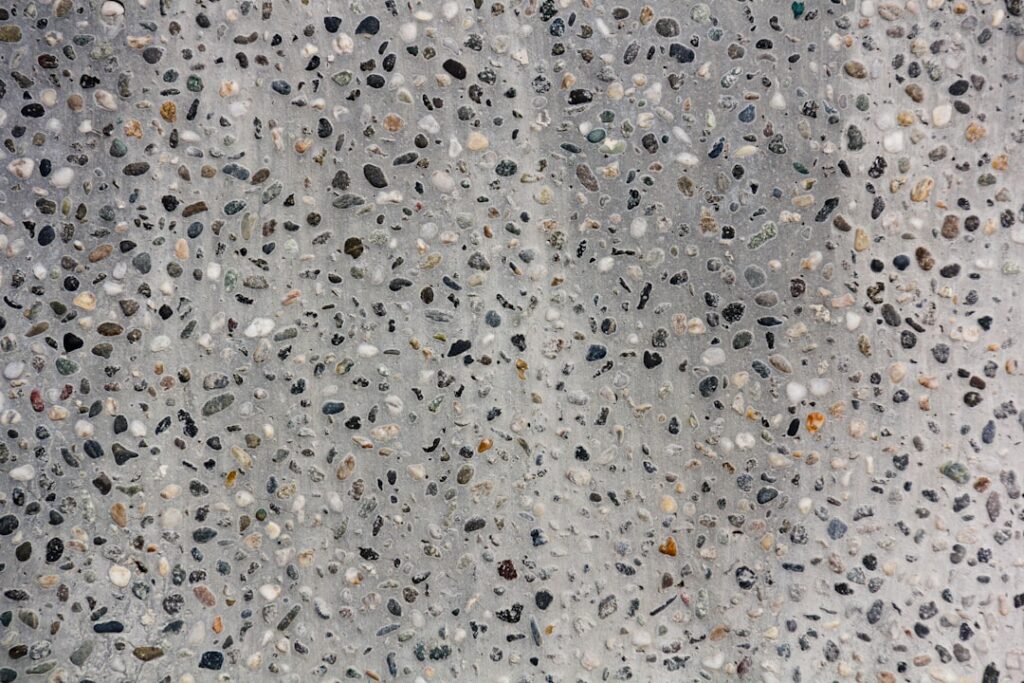
Sheet vinyl is a flexible flooring sold in rolls, typically 6 or 12 feet wide, with the pattern printed on a photographic wear layer and sealed under a clear polyurethane or urethane topcoat. A terrazzo print reproduces the scattered marble, quartz, and glass chips of traditional terrazzo, floating them over a light or dark background. Because the design is printed rather than molded, manufacturers can chase looks that would be nearly impossible to pour by hand: micro-chip Venetian terrazzo, oversized “chunky” chips, pastel confetti, and monochrome gray-on-gray palettes.
Modern rolls are built in layers. From bottom to top you get a fiberglass or felt backing for dimensional stability, a foamed vinyl core for cushion, the printed design film, and a wear layer measured in mils. That wear layer is the single most important spec. Budget sheet vinyl carries a 6 to 8 mil wear layer, while better residential goods run 12 to 20 mil. Thicker is more scratch and dent resistant, and it is what separates a floor that looks tired in three years from one that still reads sharp at year ten.
Why Homeowners Choose the Terrazzo Look in Vinyl
The visual payoff is the obvious draw. Terrazzo hides everything. Crumbs, dust, pet hair, and the occasional coffee splash disappear into the busy chip pattern, which makes it a forgiving choice for a mudroom or a high-traffic kitchen. Designers also love that a single terrazzo sheet reads as both retro and contemporary depending on the palette, so it works in a mid-century remodel and a bright modern laundry room alike.
There are practical wins too. Sheet vinyl has very few seams, so water has almost nowhere to sneak through, which makes terrazzo sheet vinyl a smart pick for bathrooms and basements. It is warm and quiet underfoot compared to real terrazzo, which is famously cold and hard. And unlike tile, there is no grout to scrub, seal, and watch turn gray over the years.
Terrazzo Sheet Vinyl Flooring Cost
Price is the headline. Expect the following ranges for material only:
- Budget felt-backed sheet: $0.80 to $1.50 per square foot, thin 6 mil wear layer, best for low-traffic rentals.
- Mid-grade fiberglass-backed sheet: $1.75 to $2.75 per square foot, 12 mil wear layer, good for family kitchens and baths.
- Premium designer terrazzo prints: $3.00 to $4.50 per square foot, 20 mil wear layer with deeper embossing and a matte finish.
Professional installation adds $1.50 to $4.00 per square foot depending on how much subfloor prep the room needs. For a 120-square-foot bathroom, a realistic all-in number lands between $400 and $850. Doing it yourself can cut that nearly in half, since sheet vinyl is one of the more DIY-friendly flooring installs, especially in a small square room where a single piece covers everything with no seams.
Where It Works Best and Where to Avoid It
Bathrooms, laundry rooms, kitchens, mudrooms, and finished basements are the sweet spot. The water resistance and busy pattern earn their keep in exactly the rooms that see spills and grit. It is also a favorite for rental refreshes because you can transform a dated space for a few hundred dollars.
Skip sheet vinyl in rooms with heavy rolling loads or where you drag furniture regularly. A refrigerator wheel or a sliding cast-iron chair leg can gouge the wear layer, and unlike tile you cannot swap a single damaged section without a visible seam. Avoid it outdoors or in unconditioned sunrooms as well, since UV exposure and big temperature swings can cause fading and edge curling over time.
How to Buy the Right Terrazzo Sheet Vinyl
Measure the room and add 6 to 8 inches on every wall for trimming, then match that against the roll width. A 12-foot-wide roll covers most bathrooms and small kitchens seamlessly; a room wider than 12 feet will need a seam, so plan where it falls. Bring home a full-size sample or at least a 12 by 12 inch swatch, because terrazzo prints have a repeat, and a small chip on a website can look very different across a whole floor.
Check the pattern repeat length before you order. A short repeat under 24 inches reads as convincingly random, while a long repeat can create visible tiling lines across a big room. Look for a matte or low-gloss finish, which hides scuffs and footprints far better than a shiny topcoat. Finally, confirm the wear layer in mils and the warranty length. A 15-year residential warranty on a 12 to 20 mil product is the reliable middle of the market.
Quick Buying Checklist
- Wear layer of 12 mil or more for any room you use daily.
- Fiberglass backing rather than felt for better lay-flat performance and dent recovery.
- Pattern repeat under 24 inches for a natural scatter.
- Roll width that covers the room in one piece when possible.
- Matte finish to disguise scuffs and hide grit.
Installation and Maintenance Basics
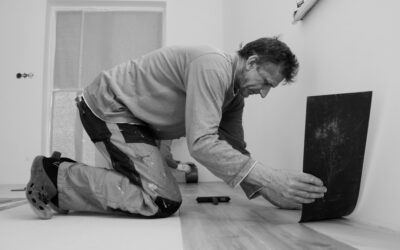
Sheet vinyl needs a smooth, clean, dry subfloor. Any bump, nail head, or debris telegraphs straight through the thin material, so fill low spots with a floor patch compound and sand high spots flat. Most residential terrazzo sheet vinyl is installed with a full-spread adhesive troweled on, or with a perimeter-bond method where you only glue the edges and seams. Let the roll acclimate in the room for at least 24 hours at 65 to 85 degrees F so it relaxes and lies flat before you cut.
Day-to-day care is genuinely easy. Sweep or vacuum grit, which is the main thing that dulls the wear layer, and damp mop with a pH-neutral cleaner. Skip abrasive pads, bleach, and wax, all of which can cloud the finish. Put felt pads under furniture legs and a floor protector under rolling chairs. Treated this way, a quality terrazzo sheet vinyl floor holds its look for 10 to 20 years.
Popular Terrazzo Colors and Styles
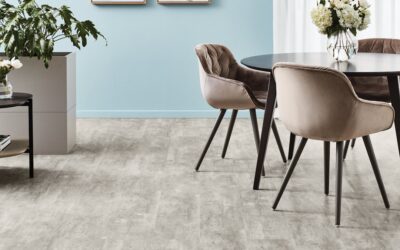
Part of what makes printed terrazzo so flexible is the range of palettes that would be costly to reproduce in real stone. A few looks dominate right now. Classic gray-and-white terrazzo with scattered charcoal and marble chips reads clean and works in almost any room. Warm terrazzo, built on a cream or beige base with terracotta, gold, and brown chips, suits Mediterranean and mid-century spaces.
Bolder options are having a moment too. Pastel confetti terrazzo drops pink, mint, and blue chips over a white field for a playful powder room or kids’ bath, while monochrome black terrazzo with white flecks makes a dramatic, modern statement. Chip scale changes the feel as much as color: micro-chip Venetian prints look refined and subtle, whereas oversized chunky chips feel contemporary and graphic. Match the scale to the room, since large chips can overwhelm a small space.
Terrazzo Sheet Vinyl vs. Terrazzo Tile
Homeowners often weigh sheet vinyl against terrazzo-look porcelain tile. Tile is harder, more scratch resistant, and better for very heavy traffic, but it costs more at $4 to $9 per square foot plus grout, it is cold and hard underfoot, and grout lines need sealing and cleaning. Sheet vinyl is softer, warmer, quieter, cheaper, and essentially seamless, which makes it more water resistant across the whole floor. If you want maximum durability and do not mind the cost and cold, tile wins; if you want the look for less with a comfortable, low-maintenance surface, sheet vinyl is the better fit.
Is Terrazzo Sheet Vinyl Worth It?
For anyone who loves the terrazzo aesthetic but not the terrazzo price, this is the most affordable path to the look, full stop. You trade the longevity and repairability of poured terrazzo for a floor that costs a fraction as much, installs in a day, feels warmer underfoot, and resists water in the rooms that need it most. As long as you buy a 12 mil or thicker wear layer and keep it out of heavy rolling-load spaces, terrazzo sheet vinyl flooring delivers a designer look that punches far above its cost.
Prefer to explore on your own?
See how new flooring looks in your actual room in seconds — free, no signup.
Try the free Floor Studio →