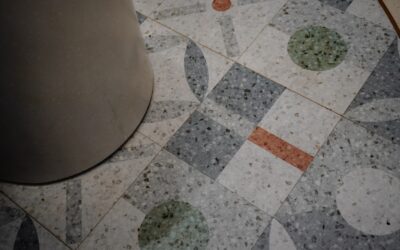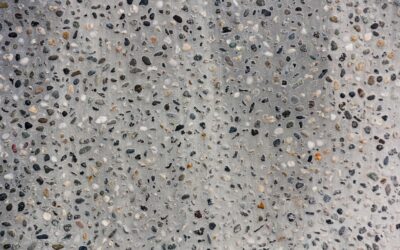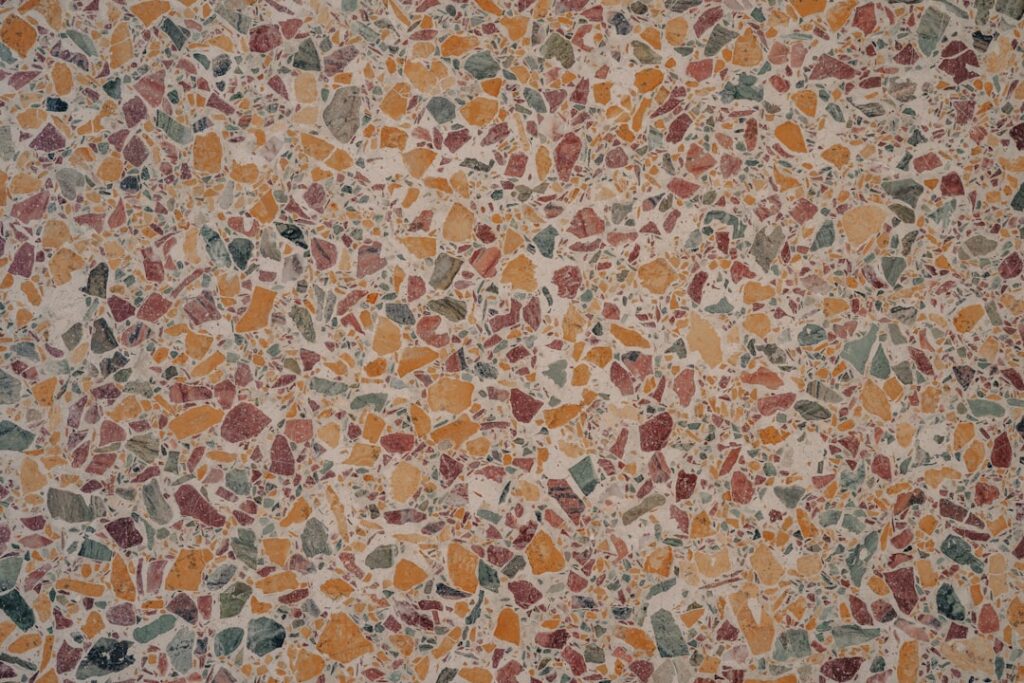
Terrazzo has staged one of the biggest comebacks in interior design, and the brightest version of it is leading the charge. White terrazzo tile pairs a pale base with scattered chips of marble, quartz, glass, or granite to create a speckled surface that feels both timeless and modern. It reflects light, makes small rooms feel larger, and hides everyday crumbs and dust better than a solid white floor ever could. Whether you are eyeing a bathroom floor, a kitchen backsplash, or a statement entryway, here is what you need to know before you buy.
Part of our Tile & Grout guide — explore the full guide →
- What White Terrazzo Tile Is Made Of
- Real Terrazzo vs. Porcelain That Looks Like Terrazzo
- Where White Terrazzo Tile Works Best
- Sizes, Finishes, and Chip Options
- What White Terrazzo Tile Costs
- Installing and Sealing White Terrazzo Tile
- Design Ideas and Pairings for White Terrazzo Tile
- Caring for White Terrazzo Tile
- Final Thoughts on White Terrazzo Tile
What White Terrazzo Tile Is Made Of
Traditional terrazzo is a composite: aggregate chips set into a binder, ground smooth, and polished. In a white terrazzo tile, the binder is a light-colored cement or resin, and the chips are typically marble, recycled glass, mother-of-pearl, or crushed quartz. The size and density of those chips drive the whole look. A tight scatter of tiny 1/8-inch flecks reads as a subtle, almost solid surface from across the room, while large 1-inch chips create a bold, chunky pattern that becomes the focal point.
Two binder types dominate the market. Cement-based terrazzo is heavier, more porous, and better suited to floors and outdoor use. Epoxy or resin-based terrazzo is lighter, comes in more consistent colors, and resists staining better, which makes it popular for interior walls and countertops. Most homeowners today buy porcelain terrazzo-look tile, which prints the speckled pattern on a durable, near-zero-maintenance porcelain body.
Real Terrazzo vs. Porcelain That Looks Like Terrazzo
This is the first decision to make, because it changes cost, weight, and upkeep. Genuine terrazzo tile is a natural composite with real stone chips, sealed and polished, prized for its depth and authenticity. Porcelain terrazzo-look tile is a manufactured ceramic that mimics the pattern with a printed glaze.
- Authenticity: real terrazzo has genuine light-catching chips; porcelain is a convincing print but flat under close inspection
- Maintenance: real terrazzo needs periodic sealing; porcelain is essentially maintenance-free and waterproof
- Weight: cement terrazzo is heavy and may need a reinforced subfloor; porcelain is lighter
- Cost: porcelain is far cheaper, which is why it dominates residential projects
Where White Terrazzo Tile Works Best
The bright, speckled surface is versatile enough for nearly any room, but a few applications shine. In a small bathroom, a white terrazzo floor bounces light and disguises water spots and dust between cleanings. On a kitchen backsplash, it adds texture without the busy grout lines of subway tile. In an entryway or mudroom, the chip pattern camouflages the grit and footprints that plague a plain white floor.
It also pairs beautifully with warm wood cabinets, matte black fixtures, and brass hardware. Because the base is neutral, white terrazzo works with almost any color scheme, which is part of why designers keep reaching for it.
Sizes, Finishes, and Chip Options
White terrazzo tile comes in a wide range of formats. Common sizes include 12 by 12 inches, 12 by 24 inches, 24 by 24 inches, and large-format 32 by 32 inch or 48 by 48 inch slabs that minimize grout lines for a poured-look finish. Larger tiles read as a continuous surface and are the current design favorite, though they demand a very flat subfloor.
Finish changes both looks and safety. A polished finish is glossy and reflective but slick when wet, so save it for low-moisture areas. A honed or matte finish is softer in appearance and offers better traction underfoot, making it the safer choice for bathrooms and entries. For chip color, decide whether you want a monochrome white-on-white look, a warm mix with cream and beige flecks, or a cool contrast with gray, charcoal, or pale blue chips.
What White Terrazzo Tile Costs
Budget varies widely depending on whether you choose real terrazzo or porcelain. Porcelain terrazzo-look tile typically runs $4 to $12 per square foot for the material. Genuine terrazzo tile ranges from $15 to $35 per square foot, and poured-in-place terrazzo, installed by a specialty crew, can reach $40 to $90 per square foot.
Installation labor for tile generally adds $8 to $15 per square foot depending on your region and the tile size, since large-format pieces require more skill and a perfectly leveled substrate. For a typical 40 square foot bathroom floor in porcelain terrazzo, expect a total installed cost in the range of $600 to $1,000. That same floor in genuine polished terrazzo could run $1,500 to $2,500.
Installing and Sealing White Terrazzo Tile
Large-format terrazzo tile is unforgiving of an uneven subfloor, so flatness is everything. Contractors typically self-level the substrate, then set tiles with a large-notch trowel and back-butter each piece to guarantee full mortar coverage. A tile-leveling system helps prevent lippage, the small height difference between adjacent tiles that catches toes and light.
Grout color makes or breaks the look. A grout that closely matches the base gives a seamless, poured appearance, while a contrasting grout emphasizes the grid. Keep grout lines tight, often 1/16 to 1/8 inch, to preserve the continuous terrazzo effect.
If you install real cement-based terrazzo, seal it. Apply a penetrating stone sealer after installation and reseal every one to three years, or sooner in a heavily used bathroom, to guard the porous surface against stains from coffee, wine, and cosmetics. Porcelain terrazzo-look tile needs no sealing beyond the grout lines, which benefit from a grout sealer to resist mildew.
Design Ideas and Pairings for White Terrazzo Tile
Because the base is neutral and the chips add built-in texture, white terrazzo plays well with a wide range of styles. In a modern bathroom, run it up the shower wall and across the floor for a continuous, spa-like envelope, then break it up with matte black fixtures and a floating wood vanity. The warm wood grounds the cool speckle and keeps the room from feeling clinical.
For a kitchen, use white terrazzo as a full-height backsplash behind open shelving and let the chips do the decorating instead of busy patterned tile. Pair it with brass or unlacquered bronze hardware to pick up warm flecks, or with black stainless appliances for a crisper, more graphic look. In an entryway, a large-format white terrazzo floor with charcoal chips hides grit while signaling a designed, intentional space the moment you walk in.
Chip color is your main styling lever. White-on-white terrazzo reads calm and minimal, warm cream-and-tan chips feel organic and inviting, and cool gray or pale-blue chips lean contemporary. Choose your chip palette to echo an accent already in the room, whether that is a countertop vein, a cabinet color, or a fixture finish.
Caring for White Terrazzo Tile
Day-to-day care is straightforward. Sweep or dust-mop to keep grit from dulling the surface, then clean with a pH-neutral cleaner and warm water. Skip acidic cleaners like vinegar and lemon on genuine terrazzo, because the marble chips and cement binder are sensitive to acid and can etch. Wipe spills promptly on real terrazzo to prevent staining, and reapply sealer on schedule. Porcelain versions tolerate almost any household cleaner and shrug off stains entirely.
Final Thoughts on White Terrazzo Tile
Few materials deliver the mix of brightness, texture, and forgiving practicality that white terrazzo tile offers. It lightens a room, hides everyday mess, and works with nearly any design style from mid-century to modern farmhouse. Decide first between authentic terrazzo and porcelain look-alike based on your budget and appetite for maintenance, choose a honed finish for wet areas, and mind your subfloor flatness for large tiles. Get those calls right and you will have a floor or wall that looks fresh for decades.
Prefer to explore on your own?
See how new flooring looks in your actual room in seconds — free, no signup.
Try the free Floor Studio →