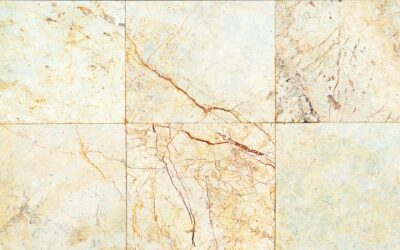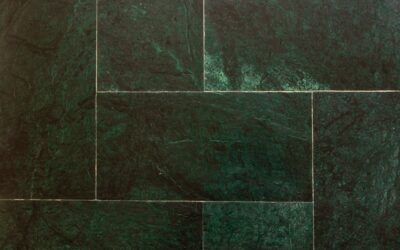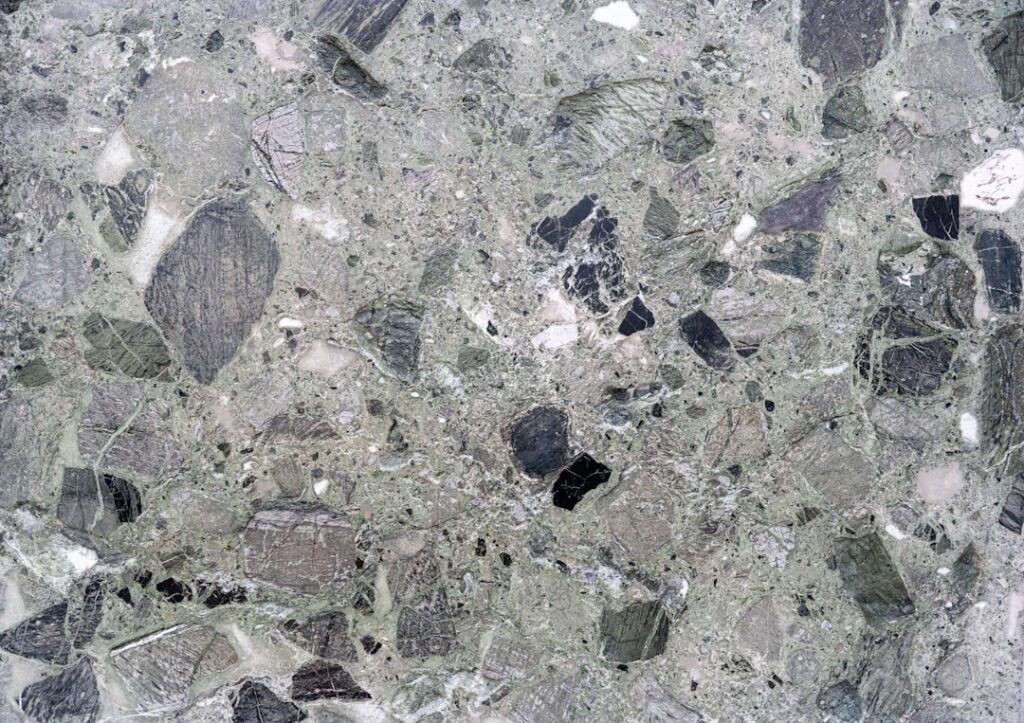
Large format terrazzo tile brings the look of a poured, monolithic terrazzo floor to a project without the mess, cost, and long cure times of the traditional trowel-applied method. These oversized porcelain or engineered tiles reproduce the speckled chip-in-matrix pattern that defines classic terrazzo, but arrive as ready-to-install slabs measuring 24 by 24 inches, 24 by 48 inches, or larger. The payoff is a floor that reads as one continuous surface with minimal grout lines, delivering the airy, high-end aesthetic that designers love in kitchens, bathrooms, and open living spaces.
Part of our Tile & Grout guide — explore the full guide →
- What Counts as Large Format
- Terrazzo Look Without the Terrazzo Price
- Why Installation Demands a Skilled Hand
- Design Advantages of Fewer Grout Lines
- Choosing Chip Size and Color
- Sealing and Maintenance
- Where Large Format Terrazzo Works Best
- Common Mistakes to Avoid
- Is It Right for Your Home
- Grout, Layout, and Finish Choices
What Counts as Large Format
In the tile industry, “large format” generally means any tile with at least one side of 15 inches or more. Modern terrazzo-look tiles push well past that threshold. Common sizes include 24×24, 24×48, 32×32, and dramatic 48×48 or 40×80 panels. The trend runs toward gauged porcelain slabs as thin as 6 mm that can span an entire wall or countertop. The bigger the tile, the fewer grout joints you see, and fewer joints is exactly the point: it mimics the seamless flow of genuine terrazzo while keeping the durability and stain resistance of porcelain.
Terrazzo Look Without the Terrazzo Price
True poured terrazzo, a mix of marble or glass chips set in cement or epoxy and ground smooth, is a premium installation that can run $30 to $100 per square foot installed and requires skilled crews and days of grinding and polishing. Large format terrazzo-look porcelain gives you a very similar appearance for far less:
- Porcelain terrazzo-look tile: $5 to $15 per square foot for the material.
- Premium gauged porcelain slabs: $15 to $30 per square foot.
- Installation labor: $8 to $20 per square foot, higher than standard tile because of the specialized handling.
All-in, a large format terrazzo porcelain floor typically lands between $13 and $35 per square foot installed, a meaningful savings over poured terrazzo with none of the sealing headaches of real cement-based product.
Why Installation Demands a Skilled Hand
Do not underestimate the labor. Large tiles are heavy, unforgiving of subfloor imperfections, and prone to a defect called lippage, where the edges of adjacent tiles sit at slightly different heights. Because the tiles are so big, any dip or hump in the substrate telegraphs straight through. Successful installs require:
- A substrate flat to within 1/8 inch over 10 feet, often achieved with self-leveling underlayment.
- Large-notch trowels (1/2 inch or bigger) and the back-buttering of each tile for full mortar coverage.
- A lippage control or leveling clip system to hold adjacent edges flush during cure.
- Medium-bed or large-format mortar rated for heavy tile, not standard thin-set.
This is not a beginner DIY job. Handling a 24×48 slab without cracking it takes two people and suction tools, and cutting requires a quality wet saw with a continuous-rim blade.
Design Advantages of Fewer Grout Lines
The visual magic of large format terrazzo tile is continuity. With grout joints reduced to thin 1/16- or 1/8-inch lines and matched grout color, the eye reads the floor as a single expanse, making rooms feel larger and calmer. This works beautifully in small bathrooms where busy tile patterns can feel cluttered, and in open-concept homes where a continuous floor visually unites the kitchen, dining, and living areas. Terrazzo’s naturally forgiving speckle also hides crumbs, dust, and minor wear better than a solid color, which is a practical bonus in high-traffic households.
Choosing Chip Size and Color
Terrazzo looks vary widely, and the chip scale sets the mood. Micro-chip patterns with fine, tightly packed flecks read as subtle and contemporary, almost like a textured solid. Bold, large-aggregate patterns with big marble or glass chips make a graphic statement and lean retro or Italian-modern. For color, warm neutrals with beige and terracotta chips feel Mediterranean, while cool grays and whites with black flecks feel crisp and urban. Pale backgrounds brighten a space and are timeless; darker terrazzo grounds a room and hides traffic but shows dust more readily.
Sealing and Maintenance
One major advantage of the porcelain versions is low maintenance. Unlike genuine cement terrazzo, which is porous and needs periodic sealing, porcelain terrazzo-look tile is impervious and never needs sealing on the tile face itself. You only seal the grout, and using an epoxy grout or a quality sealed cement grout keeps the thin joints clean. Day-to-day care is simple: sweep or dust-mop regularly and damp-mop with a pH-neutral cleaner. Avoid harsh acids and abrasive pads, which can dull a polished finish over time. This makes the material a strong fit for kitchens and entryways.
Where Large Format Terrazzo Works Best
These tiles suit a range of spaces. In bathrooms, the seamless look and waterproof porcelain body make for an easy-clean, luxurious floor, and the same tile can carry up a shower wall for a wrapped, continuous effect. In kitchens, the durable surface stands up to dropped pans and spills. Entryways and hallways benefit from the pattern’s dirt-hiding speckle. Because the material handles heavy foot traffic and moisture without complaint, it also performs well in mudrooms, laundry rooms, and modern commercial-style spaces. Radiant floor heating pairs nicely underneath, since porcelain conducts and holds warmth efficiently.
Common Mistakes to Avoid
Steer clear of these pitfalls when planning your project:
- Skipping subfloor prep: installing over an uneven substrate guarantees lippage and possible cracking. Level first.
- Using standard thin-set: large tiles need medium-bed or large-format mortar for support and coverage.
- Ignoring layout: plan tile placement so cut pieces fall in less visible areas and grout lines align with sightlines.
- Wide grout joints: defeating the seamless look with a 3/8-inch joint wastes the whole point of large format.
- DIY handling without help: a cracked slab is expensive; use two installers and suction cups.
Is It Right for Your Home
Large format terrazzo tile is an excellent choice if you want the sophisticated, seamless terrazzo aesthetic with the practical durability and low upkeep of porcelain. Budget for skilled installation, since the labor is where these floors succeed or fail, and invest in proper subfloor leveling. The result is a floor that looks custom and expensive, resists stains and moisture, hides everyday wear, and ties your rooms together with clean, uninterrupted lines. For homeowners chasing a modern, timeless look that will still feel current in fifteen years, few materials deliver as much impact for the money.
Grout, Layout, and Finish Choices
Because the whole appeal of large format terrazzo is the seamless expanse, the grout you choose and how you lay the tile deserve real thought. Select a grout color that closely matches the tile’s background so the joints recede visually rather than drawing a grid across the floor. Epoxy grout is worth the premium here; it resists staining, never needs sealing, and holds its color for the life of the floor, which matters when the joints are meant to disappear. Keep joints as narrow as the tile’s edge profile allows, typically 1/16 to 1/8 inch, since a wide joint reintroduces exactly the gridded look you are trying to avoid.
Layout planning prevents awkward slivers of cut tile at the room’s edges. Dry-lay a row, find the center of the room, and balance the pattern so the cut pieces at opposing walls are roughly equal and land in less-visible spots under cabinets or along the least-seen wall. With rectangular formats like 24×48, avoid a running-bond (brick) offset greater than one-third, because large tiles have a slight center bow and a 50 percent offset can cause lippage where a high center meets a low corner. A one-third or straight-stack layout keeps edges flush.
Finish also shapes the room’s feel. Polished terrazzo-look tile reflects light and reads glamorous but can be slippery when wet, so reserve it for lower-moisture areas or pair it with rugs. Matte and honed finishes offer better slip resistance and a softer, more contemporary look that suits bathrooms and entries. Check the tile’s slip rating (DCOF) if it will see wet feet, and choose accordingly.
Plan the substrate carefully, hire an installer experienced with gauged porcelain, and choose a chip pattern that suits your home’s scale, and your large format terrazzo floor will become the quiet showpiece that visitors notice the moment they walk in.
Prefer to explore on your own?
See how new flooring looks in your actual room in seconds — free, no signup.
Try the free Floor Studio →