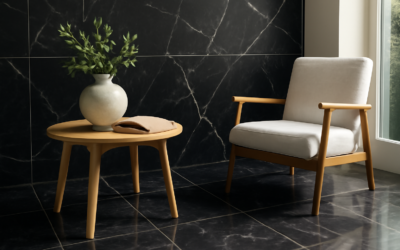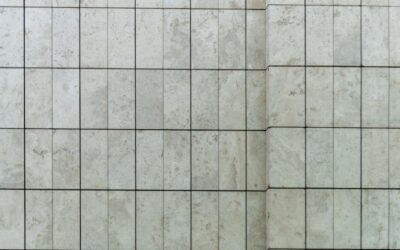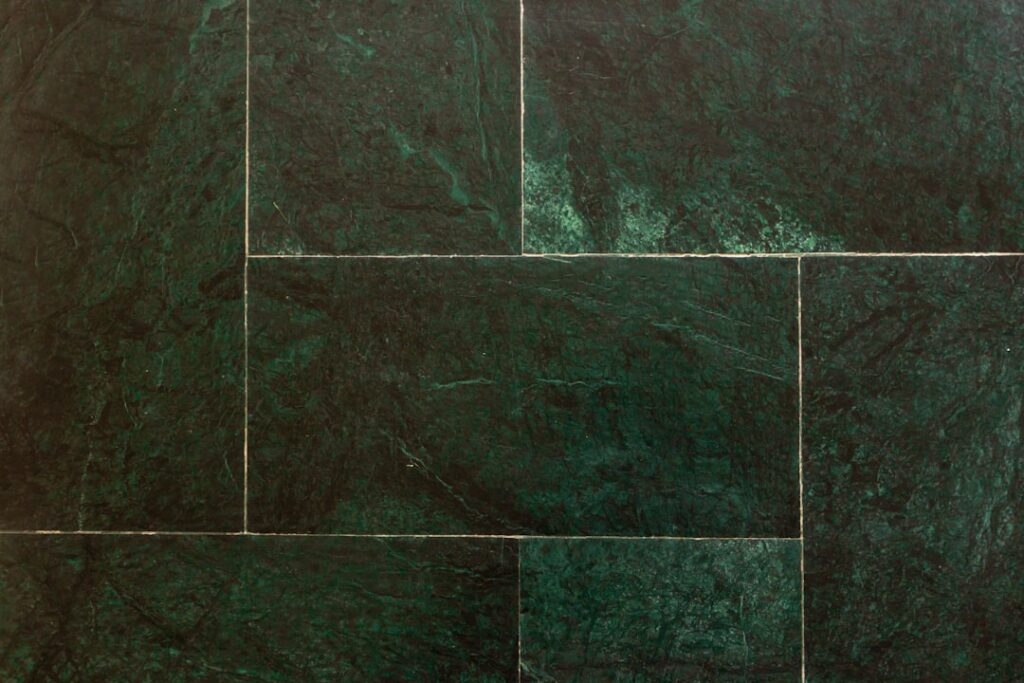
Large format tile 48 x 96 represents the high end of what modern porcelain can do: a single panel measuring four feet by eight feet that covers an entire wall or a large stretch of floor with almost no grout lines. These oversized slabs, often called porcelain panels or gauged porcelain tile, create the seamless, gallery-like look that has become a hallmark of high-end kitchens, bathrooms, and commercial spaces. They are dramatic and stunning, but they also demand real expertise to install correctly. This guide covers the benefits, the honest challenges, the cost, and where these massive tiles genuinely make sense.
What 48 x 96 Tile Actually Is
At 48 inches by 96 inches, each panel covers a full 32 square feet, which is a fundamentally different product from a standard 12×24 tile. These are typically thin gauged porcelain panels, often just 6mm to 12mm thick, engineered to be large yet manageable enough for skilled installers to handle. The reduced thickness keeps the weight in check while the porcelain body remains extremely hard and nearly waterproof.
The appeal is the near-absence of grout lines. Where a conventional tile floor is a grid of joints, a floor or wall done in 48 x 96 panels reads as one continuous surface, especially with book-matched marble-look patterns that flow across multiple panels. That uninterrupted look is exactly why designers reach for this format.
The Big Advantages
Beyond the obvious visual drama, large format tile 48 x 96 offers several practical benefits:
- Minimal grout lines: less grout means a cleaner look and far less grout to clean and maintain over time.
- Seamless design: book-matched slabs create flowing veined patterns that mimic solid stone.
- Makes spaces feel larger: fewer joints trick the eye into reading a bigger, more open room.
- Waterproof and durable: porcelain resists moisture, stains, scratches, and heat.
- Versatile surface: the same panels work on floors, shower walls, countertops, and fireplace surrounds.
For a shower, the reduced grout is a genuine maintenance win, since grout is the part of any tiled surface that discolors and needs the most upkeep. A near-seamless shower wall stays cleaner and looks more luxurious for longer.
The Real Challenges
Honesty matters here, because these panels are not a casual DIY project. Handling a four-by-eight-foot sheet of porcelain requires specialized equipment: suction-cup frame systems to lift and carry the panel without cracking it, usually two or more installers working in tandem. Cutting requires a dedicated large-format scoring rail and diamond tooling rather than a standard wet saw.
The subfloor or wall substrate also has to be exceptionally flat. Any dip or high spot that a small tile would forgive becomes a stress point or a visible lippage problem across a large panel. Installers use leveling systems and often a self-leveling underlayment to get the surface within tight tolerances before setting a single slab. This is expert work, and hiring an experienced large-format installer is strongly recommended.
Where These Slabs Work Best
The format shines in specific applications. On feature walls, a book-matched marble-look panel creates a showstopping focal point in a living room or behind a bed. In showers and bathrooms, the reduced grout delivers both luxury and easy cleaning. On large open floors in modern homes, the seamless expanse reads as sophisticated and spacious.
The panels also make striking waterfall island countertops and fireplace surrounds, where the continuous veining wraps around edges for a solid-stone illusion at a fraction of the weight and cost of real marble. In smaller, choppy rooms with many corners and fixtures, though, the advantage shrinks because you end up cutting the big panels down anyway, so the format pays off most in large, open areas.
Cost and What to Budget
These are premium products with premium installation. The panels themselves typically run $8 to $20 per square foot for the material, with high-end book-matched marble looks reaching higher. Installation is where costs climb, because the specialized handling, cutting, and substrate prep demand skilled labor and equipment, often $12 to $25 per square foot or more.
Altogether, a large-format installation frequently lands in the $25 to $45 per square foot range installed. That is a significant investment, so it makes the most sense where the seamless look truly matters, such as a primary bathroom, a statement wall, or an open-plan floor. For a utilitarian laundry room, a standard tile delivers the durability at a fraction of the price.
Maintenance and Longevity
Once installed, these floors and walls are refreshingly low-maintenance. The porcelain surface needs only regular sweeping and a damp mop with a neutral cleaner, and it never requires sealing. The few grout lines that remain are the only real maintenance point, and there are so few of them that keeping them clean is trivial compared to a conventional tile floor.
Because porcelain is so hard and non-porous, a properly installed 48 x 96 surface resists staining, fading, and wear for decades. The critical factor in longevity is the quality of the installation, so the money you spend on an experienced installer and proper substrate prep protects the much larger investment in the panels themselves.
Grout, Seams, and the Seamless Illusion
The whole appeal of 48 x 96 panels rests on how few and how discreet the joints are, so the grout and seam strategy deserves real attention. With panels this large, you will still have some joints on a big wall or floor, and where they land is a design decision. A skilled installer plans seam placement to fall in inconspicuous spots and, on book-matched marble looks, aligns the veining across the joint so the pattern appears to flow continuously from one panel to the next. That alignment is painstaking work, and it is exactly what separates a stunning installation from an ordinary one.
Grout color and width matter just as much. A tight grout joint in a shade matched to the tile’s base color nearly disappears, preserving the solid-slab illusion, while a contrasting grout draws a line right through the effect. Many installers use a color-matched, stain-resistant grout in the thinnest joint the tile’s rectified edges allow. On countertops and waterfall edges, mitered corners hide the panel thickness so the veining wraps seamlessly around the edge. These details are why experienced large-format installers are worth the premium; the material can only look as seamless as the hands setting it.
Is Large Format 48 x 96 Tile Worth It?
If you want the seamless, high-end look of continuous stone with the durability and low maintenance of porcelain, large format tile 48 x 96 delivers like nothing else. It transforms showers, feature walls, and open floors into sophisticated, gallery-quality surfaces with minimal grout to maintain. Just go in clear-eyed about the demands: budget for premium material and skilled installation, insist on a dead-flat substrate, and hire an installer with real large-format experience. Get those right, and the result is a striking surface that looks custom for decades.
Prefer to explore on your own?
See how new flooring looks in your actual room in seconds — free, no signup.
Try the free Floor Studio →