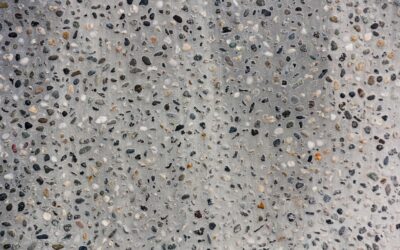
The speckled, confetti-like terrazzo look is having a major design moment, but pouring real terrazzo is a heavy, expensive, contractor-only affair that most homeowners cannot justify. Terrazzo LVT solves that problem beautifully, delivering the exact same playful, chip-scattered aesthetic in the form of affordable, waterproof luxury vinyl tile that any capable DIYer can install in a weekend. If you love the retro-modern terrazzo trend but not the cost, weight, or cold hardness of the real thing, this is the practical answer. This guide covers the styles, performance, installation, and pricing so you can decide if it fits your project.
What Terrazzo LVT Actually Is
Luxury vinyl tile, or LVT, is a multi-layer engineered flooring built around a high-resolution printed image layer topped with a clear, durable wear layer. In this case, the printed layer reproduces the classic terrazzo pattern, those irregular chips of marble, quartz, and glass suspended in a solid background, that traditionally came from grinding and polishing real stone aggregate set in cement. The photographic printing is now good enough that from standing height, the vinyl reads convincingly as the genuine article.
Unlike poured terrazzo, which is a rigid, unforgiving stone-hard surface, terrazzo LVT is warmer and softer underfoot, quieter, and dramatically lighter. It comes in planks and tiles that click or glue together over your existing subfloor. You get the fashionable speckled look without the crane-lifting weight, the multi-day pour and cure, or the five-figure price tag of authentic terrazzo.
Style and Design Options
The design flexibility here is a big part of the appeal. Because the pattern is printed, manufacturers offer a wide spectrum of terrazzo styles to match any palette:
- Classic neutral: Soft white or cream backgrounds with gray, black, and beige chips for a timeless, versatile look.
- Bold and colorful: Playful pastel or vivid chips on bright backgrounds for statement floors in bathrooms and entries.
- Large-chip terrazzo: Bigger aggregate fragments for a dramatic, contemporary feel.
- Fine-chip terrazzo: Subtle, small speckles that read almost as texture for a quieter surface.
Tile size and grout-line options add another layer of customization. Some products come as squares meant to be installed with a thin grout line for a more authentic, sectioned look, while others are grout-free planks for a seamless, easy-clean surface. Match the scale of the chips and the boldness of the color to your room, using restrained neutrals in large open spaces and saving the vivid patterns for smaller rooms where they read as a fun accent.
Durability and Waterproof Performance
This is where terrazzo LVT earns its keep. The clear wear layer on top resists scratches, scuffs, dents, and fading, and thicker wear layers, measured in mils, hold up better under heavy traffic and pets. Most quality LVT is fully waterproof, which makes it ideal for exactly the rooms where real terrazzo shines: kitchens, bathrooms, laundry rooms, and entryways. Spills wipe up with no worry about warping or staining.
Compared with the real thing, vinyl is also far more forgiving on your body and your dishes. Poured terrazzo is beautiful but brutally hard, and a dropped glass shatters instantly while your feet and joints tire on it during long stints of cooking. The cushioned construction of LVT is warmer, quieter, and easier to stand on, all while resisting the daily abuse a busy household dishes out. With reasonable care it will look great for 15 to 20 years.
Installation Made Simple
One of the strongest arguments for this flooring is how approachable installation is. Many terrazzo LVT products use a click-lock floating system, where planks or tiles snap together and rest over the subfloor without glue or nails. That means a motivated DIYer can install a room in a weekend with just a utility knife, a tapping block, and spacers. The floating construction also tolerates minor subfloor imperfections better than tile.
Glue-down versions exist too, offering a more permanent, ultra-stable installation favored in high-traffic and commercial settings. Whichever you choose, the subfloor must be clean, flat, and dry. Acclimate the planks in the room for a day or two before installing so the material adjusts to your home’s temperature and humidity, which prevents gapping or buckling later. Leave a small expansion gap around the perimeter, hidden under baseboard or quarter round, and the floor stays flat through seasonal changes.
What It Costs
Cost is a decisive advantage. Terrazzo LVT material typically runs $2 to $6 per square foot, with premium rigid-core and thick-wear-layer products at the higher end. Real poured terrazzo, by contrast, can run $30 to $100 per square foot installed once you factor in the specialized labor and grinding. The savings are enormous, and they are what put the terrazzo look within reach of ordinary remodeling budgets.
If you install it yourself, that material price is essentially your total cost. Hiring a pro to install adds roughly $2 to $5 per square foot in labor. For a 150-square-foot kitchen, that means a DIY floor might cost $300 to $900 in material, while a professionally installed floor lands around $750 to $1,650, a fraction of what authentic terrazzo would demand for the same room.
Is Terrazzo LVT Right for You?
If you are drawn to the cheerful, speckled terrazzo aesthetic but want a floor that is affordable, waterproof, comfortable underfoot, and easy to install, terrazzo LVT is close to a perfect match. It brings a trendy, high-design look to kitchens, baths, and entryways at a price and effort level real terrazzo could never touch, and it forgives the spills and foot traffic of everyday life. Choose a thicker wear layer for busy areas, pick a chip scale and color that suits your space, and you will get years of stylish, low-maintenance floor for a modest investment.
Cleaning and Everyday Care
Living with terrazzo LVT is refreshingly low-effort, which is part of why busy households love it. For daily upkeep, sweep or run a dust mop to keep grit off the surface, since abrasive dirt is the main thing that wears down any vinyl wear layer over time. For a deeper clean, damp-mop with a manufacturer-approved vinyl floor cleaner or a splash of mild dish soap in warm water; avoid steam mops, wax, and harsh abrasive scrubbers, all of which can damage the printed layer or leave a dulling residue.
Because the surface is waterproof, you never have to worry about a spill sitting for a few minutes, but wiping up promptly still keeps the floor looking its best. Place felt pads under heavy furniture legs to prevent point-load dents, and use walk-off mats at entries to trap the sand and grit that scratch floors. In rooms with big south-facing windows, blinds or UV-filtering film help prevent long-term fading from intense direct sun. Follow those small habits and a quality terrazzo LVT floor will hold its color and finish for 15 to 20 years with almost no special maintenance.
Prefer to explore on your own?
See how new flooring looks in your actual room in seconds — free, no signup.
Try the free Floor Studio →