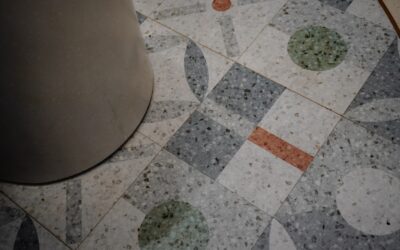
Walk into any mid-century museum or boutique hotel and the speckled stone underfoot is almost always terrazzo. Terrazzo flooring tiles bring that same gallery finish to homes without the pouring, grinding, and eight-day cure times of old-school poured installations. Factory-made tiles ship in 12 x 12-inch, 16 x 16-inch, and 24 x 24-inch formats, arrive already polished, and install on thinset like porcelain. The aesthetic is unmistakable, but the price tag, cold underfoot feel, and grout lines surprise homeowners who expected a seamless look.
Part of our Tile & Grout guide — explore the full guide →
What Terrazzo Tiles Actually Are
Traditional terrazzo is a composite of marble, quartz, granite, or glass chips bound in cement or epoxy. The tile version compresses that mix at the factory, cures it under pressure, and finishes both faces so installers can skip the on-site grind. Cement-based tiles weigh 7-9 pounds per square foot — roughly twice a porcelain tile — which matters for second-floor installations over older framing.
Epoxy-matrix tiles run lighter at 4-5 pounds per square foot and accept brighter pigments. Expect chip sizes from 1/8 inch up to 1 1/2 inches, with larger aggregates commanding a 20-30 percent premium.
Cost Breakdown Per Square Foot
Budget-grade cement terrazzo tiles from import suppliers start at $8-$12 per square foot. Mid-tier American and Italian brands run $18-$28, and designer lines with mother-of-pearl or brass inlays hit $45-$70. Installation adds another $9-$14 per square foot because the weight, thickness (often 3/4 inch), and wet-saw requirements slow production to around 50 square feet per installer per day.
For a 200-square-foot kitchen, plan on $5,400-$8,400 installed using mid-range tiles, including a 10 percent waste factor, thinset, and unsanded grout.
Where Terrazzo Tiles Shine
Entryways, kitchens, mudrooms, and powder baths take the best advantage of terrazzo’s hardness and water resistance. The surface scores 6-7 on the Mohs scale — softer than porcelain but harder than marble — so it shrugs off grit tracked in from driveways. Pets cannot scratch it, and a spilled glass of merlot wipes clean as long as the tile is sealed.
Designers love the way large-aggregate tiles hide crumbs and pet hair between cleanings, a practical perk nobody advertises in showrooms.
Honest Drawbacks to Consider
Cement terrazzo is porous. Without a penetrating sealer reapplied every 18-24 months, oils and wine stain permanently. The tile is cold in winter — surface temperatures of 58-62 degrees Fahrenheit are normal on a 68-degree day — which is why radiant heat pairs so well with it. Budget $6-$9 per square foot extra for electric mats rated for stone.
Sound transmission is another factor. Hard floors reflect noise, and a great room tiled in terrazzo can feel echoey until rugs, upholstery, and drapery dampen the space.
Grout Lines and Layout Choices
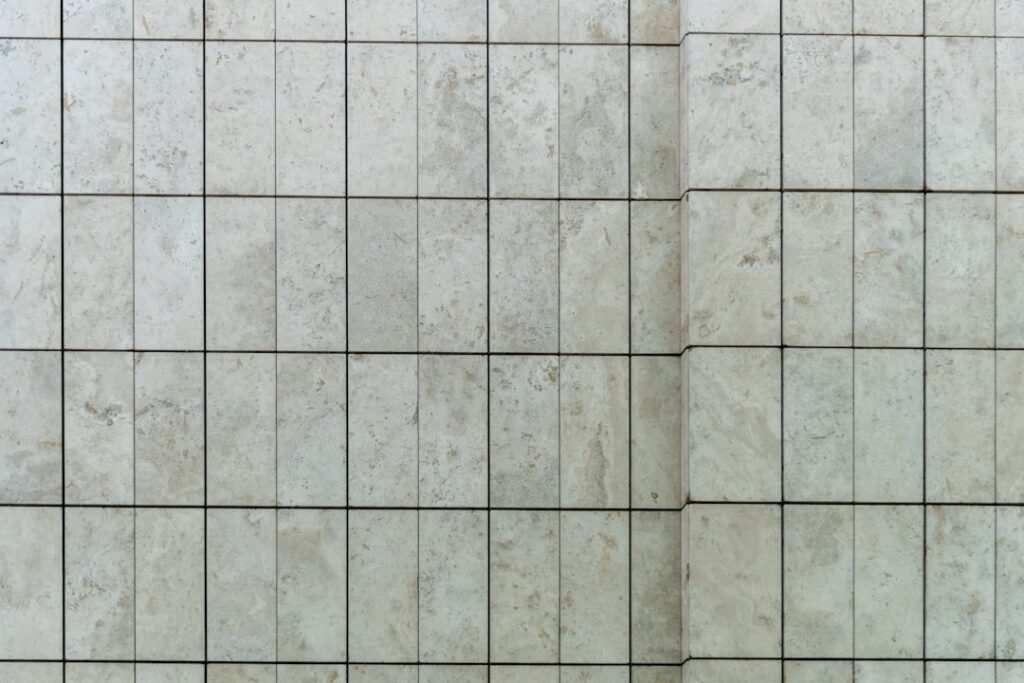
Terrazzo looks best with tight 1/16-inch or 1/8-inch grout joints in a color-matched unsanded grout. Wider 1/4-inch joints interrupt the aggregate pattern and read more like porcelain. Stack bond (straight grid) and 1/3 offset patterns suit modern interiors, while diagonal layouts feel dated now.
For rooms wider than 25 feet, your installer should plan a soft expansion joint with color-matched silicone to absorb seasonal movement.
Installation Notes for DIYers
Terrazzo tile is installable by experienced DIYers, but the tiles chip at the edges under a standard snap cutter. Rent a wet saw with a premium diamond blade rated for dense stone — expect to spend $65 a day plus $40 for the blade. Use a large-format tile mortar (LFT) mixed to a peanut-butter consistency and back-butter every tile to avoid lippage on imperfect subfloors.
Self-leveling compound is almost always required. A 1/8-inch dip over 10 feet that would disappear under LVP will telegraph through thick terrazzo tiles and crack them within a year.
Sealing and Ongoing Care
Apply a penetrating, solvent-based stone sealer within 24 hours of grouting. Miracle 511 Impregnator and Tenax Hydrex are the two most reliable choices — plan on $65-$90 for enough to cover 250 square feet twice. For daily cleaning, use a pH-neutral stone soap like StoneTech Revitalizer. Skip vinegar, bleach, ammonia, and anything labeled “multi-surface” — acids etch the marble aggregates and leave dull patches that require professional repolishing.
Microfiber mops and a soft-bristle broom handle weekly cleaning. For deeper refresh every two to three years, a local stone restoration crew will hone and re-seal a 300-square-foot floor for $400-$700.
Color, Aggregate, and Style Trends
Warm cream bases with caramel, rust, and amber chips dominate 2025 showrooms, pulling terrazzo toward a softer, more residential feel. Forest green and deep navy bases with brass flecks have filtered in from commercial projects, showing up in powder rooms and bar backsplashes. Stark white Carrara-chip versions still sell well in modern kitchens but scratch more obviously and need sealing sooner than pigmented options.
Large-aggregate tiles (chips 1 inch and up) read as bold and sculptural, while micro-chip patterns look almost like a textured solid from across the room. Bring home three or four 12-inch samples and view them at different times of day before placing a full order.
Is Terrazzo Right for Your Home?
Choose terrazzo tile if you want a distinctive look that outlasts most other flooring (50-plus years is typical), you are installing over a slab or an engineered subfloor rated for stone, and you have the budget for radiant heat in bedrooms and baths. Skip it if you live in a loud household with elderly family members or infants — falls on terrazzo are unforgiving, and the surface shows hairline cracks when heavy items drop from counter height.
For the right homeowner, terrazzo flooring tiles deliver a sculptural finish no printed vinyl or porcelain look-alike can match, and they hold resale appeal in neighborhoods where buyers recognize quality materials.
Prefer to explore on your own?
See how new flooring looks in your actual room in seconds — free, no signup.
Try the free Floor Studio →