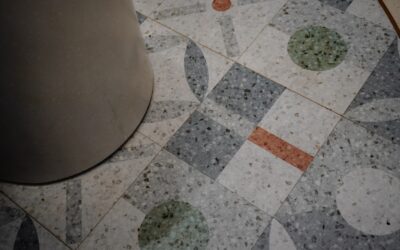
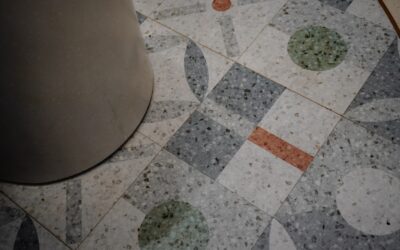
Terrazzo has outlasted nearly every flooring trend of the last century, and it is having a major comeback in modern homes. Understanding terrazzo flooring materials is the key to getting the look right, because terrazzo is not a single product but a recipe: a binder, decorative aggregate chips, and divider strips combined into a polished, seamless surface. The exact materials you choose determine everything from cost and durability to whether the floor can flex with your home. Get the mix right and a terrazzo floor lasts 75 years or more.
- The Core Components
- Cement vs. Epoxy Binders
- Choosing Aggregate Chips
- The Role of Divider Strips
- Pros and Cons of Terrazzo
- What Terrazzo Costs
- Buying and Maintenance Tips
- Poured-in-Place vs. Terrazzo Tiles
- Color and Design Possibilities
- Long-Term Value of Terrazzo
- Maintaining a Terrazzo Floor
- Final Thoughts on Terrazzo
The Core Components
Every terrazzo floor, ancient or modern, comes down to three basic ingredients working together.
- Binder: The matrix that holds everything, either cementitious or epoxy resin.
- Aggregate: The decorative chips, usually marble, granite, quartz, glass, or mother-of-pearl.
- Divider strips: Thin metal or plastic strips that control cracking and create design lines.
Cement vs. Epoxy Binders
The binder is the single biggest decision, because it changes how and where terrazzo can be installed.
Cementitious terrazzo is the traditional formula, poured thick at around 3 inches and prized for its longevity and ability to handle moisture. Epoxy terrazzo, the modern standard for interiors, goes down thin at 1/4 to 3/8 inch, cures fast, offers brighter color options, and resists stains better. Epoxy cannot be used outdoors or over ground moisture, so cement still rules exterior and below-grade work.
Choosing Aggregate Chips
The aggregate is where terrazzo gets its personality. The chips are exposed and polished, so they define the entire look of the floor.
- Marble chips: The classic choice, soft veining and warm tones.
- Granite and quartz: Harder and more durable, with crisp speckling.
- Recycled glass: Bold color and an eco-friendly story.
- Mother-of-pearl and metal: Premium accents that catch light.
The Role of Divider Strips
Divider strips do double duty. Functionally, they control where the material can crack as it cures and as the building moves, breaking the floor into manageable sections.
Aesthetically, they create the crisp lines and geometric patterns terrazzo is known for. Brass, aluminum, zinc, and plastic strips each give a different look, with brass reading the most luxurious and zinc the most common in commercial work.
Pros and Cons of Terrazzo
The material’s reputation for longevity is well earned, but it carries real trade-offs.
- Pros: Extremely durable, seamless and easy to clean, endless design options, can last 75+ years.
- Cons: High upfront cost, hard and cold underfoot, labor-intensive install, periodic resealing required.
What Terrazzo Costs
Terrazzo sits at the premium end of flooring, driven by skilled labor and materials. Budget accordingly.
- Epoxy terrazzo: $25 to $90 per sq ft installed
- Cementitious terrazzo: $30 to $100+ per sq ft installed
- Terrazzo tiles (pre-cast): a cheaper alternative at $15 to $30 per sq ft
Pre-cast terrazzo tiles offer the look at a lower price for budgets that cannot stretch to poured-in-place.
Buying and Maintenance Tips
Poured terrazzo is a specialized trade, so hire an installer with a verifiable portfolio and ask which binder and aggregate they recommend for your space. For most modern interiors, epoxy with marble or recycled glass chips hits the sweet spot of looks and durability.
Seal the floor on schedule, typically every few years for cement and less often for epoxy, and clean with a neutral pH cleaner to protect the polish. Chosen and maintained well, the right terrazzo flooring materials produce a floor your grandchildren could still be walking on.
Poured-in-Place vs. Terrazzo Tiles
Terrazzo comes in two installation formats, and the difference reshapes both budget and look. Poured-in-place terrazzo is mixed and troweled on site into a truly seamless surface, which is the authentic, high-end approach prized for its continuity.
Pre-cast terrazzo tiles are manufactured in a factory, then installed like any tile with grout lines between them. Tiles cost far less and are within reach of a skilled DIYer, but the grout joints break up the seamless effect that defines classic terrazzo. For a statement floor in a forever home, poured-in-place justifies its cost; for a budget-conscious refresh, tiles deliver much of the look for a fraction of the price.
Color and Design Possibilities
Few floors offer as much creative control as terrazzo, because you are essentially designing the material itself. The binder can be tinted nearly any color, and the aggregate chips layered on top set the texture and contrast.
A pale binder with subtle marble chips reads soft and contemporary, while a dark binder packed with bold glass and metal flecks makes a dramatic, terrazzo-forward statement. Divider strips in brass or zinc let you carve the floor into geometric fields, custom borders, or even inlaid logos and patterns. This flexibility is why designers keep returning to terrazzo for spaces that need a one-of-a-kind floor.
Long-Term Value of Terrazzo
The high upfront cost makes more sense when you spread it across the floor’s lifespan. A properly installed terrazzo floor routinely lasts 50 to 75 years or more, far outliving the carpet, vinyl, or laminate you would otherwise replace several times over.
That longevity, combined with easy seamless cleaning and timeless style, gives terrazzo one of the lowest lifetime costs per year of any premium floor. For homeowners planning to stay put, the math often favors paying once for terrazzo rather than repeatedly for cheaper materials. The key is choosing quality terrazzo flooring materials and an experienced installer from the start.
Maintaining a Terrazzo Floor
Despite its luxury status, terrazzo is genuinely easy to live with day to day. The seamless surface has no grout lines or joints to trap dirt, so routine care is just sweeping and damp-mopping with a pH-neutral cleaner.
Avoid acidic cleaners on cementitious terrazzo, which can etch the surface, and skip harsh abrasives that dull the polish. Periodic resealing protects against staining, and an occasional professional polish restores the original shine if traffic eventually wears it down. Treated with this modest care, terrazzo keeps its luster for generations rather than years.
Final Thoughts on Terrazzo
Terrazzo rewards the homeowner willing to invest upfront in a floor designed to last a lifetime. The beauty of the format is that you are not just buying a product, you are composing one from a binder, decorative aggregate, and divider strips into something unique to your home.
Decide between epoxy and cement based on your location and substrate, choose aggregate chips for the look you love, and weigh poured-in-place against more affordable tiles. Hire an installer with a real portfolio, maintain the floor with simple care, and the right terrazzo flooring materials will produce a surface that stays striking and serviceable for 50 years and beyond.
Prefer to explore on your own?
See how new flooring looks in your actual room in seconds — free, no signup.
Try the free Floor Studio →