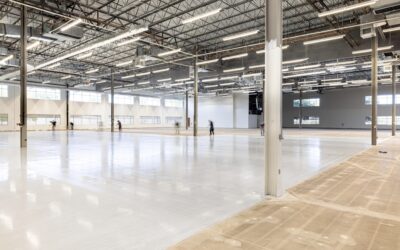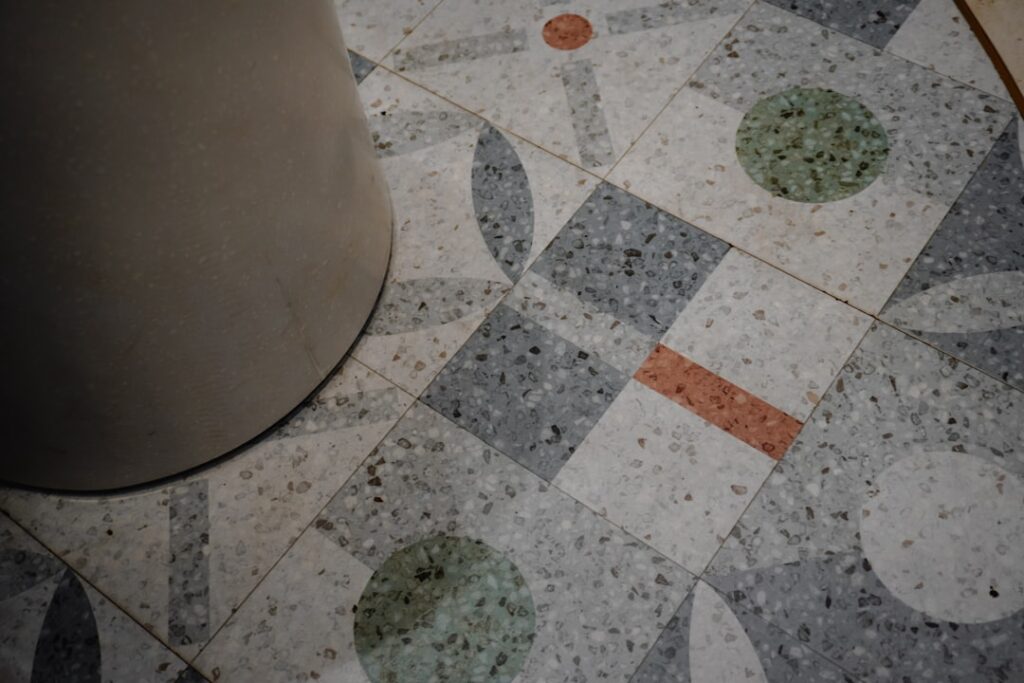
Walk through any modern airport terminal, museum lobby, or boutique hotel built in the last decade and chances are good you are looking at resinous matrix terrazzo flooring. This composite system has replaced traditional cement terrazzo on nearly every major commercial spec in North America because it installs thinner, cures faster, and hides almost any aggregate or color a designer can dream up. For homeowners considering it for entryways, kitchens, or bathrooms, here is what you need to know.
- How Resinous Terrazzo Differs From Cement Terrazzo
- Common Resin Systems Explained
- Aggregate and Design Possibilities
- Pros That Drive the Commercial Spec
- Cons and Cost Realities
- Maintenance Reality Over the Long Haul
- Installation Timeline and What to Expect
- Sustainability and LEED Contributions
- Major Manufacturers Worth Knowing
- Where Resinous Terrazzo Makes Sense at Home
How Resinous Terrazzo Differs From Cement Terrazzo
Traditional terrazzo binds marble, granite, or glass chips in a portland cement matrix poured 1-1/2 to 3 inches thick. Resinous terrazzo replaces the cement with an epoxy, polyurethane, or polyaspartic resin matrix poured just 3/8 to 1/2 inch thick. That difference reshapes everything about installation and performance.
Cement matrix needs 28-day cure cycles before grinding. Resin matrix walks at 12 hours and accepts foot traffic in 24. The thinner pour means floors can go into existing buildings without raising thresholds or rebuilding door jambs.
Common Resin Systems Explained
Three resin chemistries dominate the market, each with distinct trade-offs:
- Epoxy matrix: Most common. UV-sensitive so it yellows outdoors but holds color indoors for 25-plus years.
- Polyaspartic matrix: UV-stable, fast cure, slightly higher cost. Better for sunny windows and indoor-outdoor flow.
- Polyurethane cement matrix: Hybrid system that handles thermal shock and chemical exposure. Common in commercial kitchens.
For a residential install, epoxy is the default unless the floor sees direct sunlight more than two hours a day.
Aggregate and Design Possibilities
The matrix is just the binder — the visual story comes from aggregates. Crushed marble in white, black, green, or rose remains the classic look. Recycled glass adds bold modern color and sparkle. Mother-of-pearl shells, brass strips, and even crushed mirror let designers push the look in any direction.
Custom blends are made to order in 5-gallon kits. Expect to send samples back and forth with the manufacturer for 4 to 6 weeks before approving a final mix. Stock blends ship in 2 weeks.
Pros That Drive the Commercial Spec
Resinous matrix terrazzo flooring carries genuine advantages:
- Seamless installation handles drains, curbs, and integrated cove base in one pour
- 50-plus year service life with periodic re-polishing every 7 to 10 years
- Antimicrobial properties from non-porous resin meet healthcare and food-service codes
- Custom color and aggregate flexibility unmatched by tile or stone
- Thin profile lets it overlay existing slabs without demolition
Cons and Cost Realities
The price tag is the first hurdle. Installed cost runs $25 to $65 per sq ft for residential projects, with most jobs landing in the $35 to $45 range. That is roughly 5 to 10 times the cost of luxury vinyl and double the cost of mid-range natural stone.
Installation requires specialized contractors. Only about 200 certified installers operate nationwide, so lead times stretch 8 to 16 weeks in busy markets like Miami, Los Angeles, and New York. Subfloor prep is non-negotiable — concrete must be flat within 1/8 inch over 10 feet, fully cured, and moisture-tested below 4 lbs per 1,000 sq ft per 24 hours.
Maintenance Reality Over the Long Haul
Day-to-day care is simple. Daily dust mop, weekly damp mop with neutral pH cleaner, and quarterly buffing with a low-speed polisher keeps the floor looking new. Avoid acidic cleaners — vinegar, lemon, and citrus-based products will etch the resin over years of use.
Every 7 to 10 years, expect a professional re-honing and re-polishing cycle. Budget $4 to $7 per sq ft for that service. Compared to refinishing hardwood every 8 years at similar cost, terrazzo’s longer overall service life makes the math attractive.
Installation Timeline and What to Expect
A typical 600 sq ft installation runs about 7 to 10 working days on site:
- Days 1-2: Surface preparation, moisture testing, divider strip layout
- Day 3: Resin matrix and aggregate pour
- Days 4-5: Cure to grinding strength
- Days 6-7: Initial grind with progressively finer diamond pads
- Days 8-9: Grout coat, final polish, sealing
- Day 10: Punch list and protective covering
Sustainability and LEED Contributions
Resinous matrix terrazzo flooring has quietly become a LEED v4.1 favorite because nearly every component can be sourced for credit. Recycled glass aggregates from companies like Recycled Glass Aggregates LLC and American Specialty Glass divert post-consumer bottle glass from landfills, contributing to MR Credit 4 for recycled content. Some specifiers hit 40% to 70% recycled content by volume using mixed glass and porcelain chips.
The resin side is improving as well. Bio-based epoxies from Sherwin-Williams and Dur-A-Flex now incorporate 25% to 40% plant-derived binder, slashing the embodied carbon footprint compared to petroleum-only formulations. Low-VOC and zero-VOC systems contribute to IEQ Credit 4.2 for indoor air quality. Combined with a 50-plus year service life and no replacement cycle, the lifecycle environmental impact is competitive with polished concrete and dramatically better than vinyl, carpet, or laminate.
Major Manufacturers Worth Knowing
Six manufacturers dominate the North American resinous terrazzo market, and specifying a system from any of them ensures access to certified installers and warranty support:
- Terroxy by Terrazzo & Marble Supply: The category leader with the deepest aggregate library and 75 stock blends.
- Dur-A-Flex Hybri-Flex EQ: Polyaspartic-modified epoxy with 6-hour cure, ideal for tight construction schedules.
- Key Resin Key-Crete: Polyurethane cement system favored for breweries and dairies handling thermal shock.
- Stonhard Stonblend GSI: Premium epoxy with 100% solids formulation and decorative quartz options.
- Master Builders MasterTop: European-engineered system with bio-resin options and lower VOC profile.
- Sika Sikafloor DecoDur: Strong commercial portfolio with Class 1 flame spread certification.
Where Resinous Terrazzo Makes Sense at Home
Open-plan main levels, master bathrooms, and entryway-to-kitchen flow rooms are the sweet spots. The seamless surface and design freedom justify the cost in spaces where the floor is a focal point.
Bedrooms, hallways, and budget renovations rarely justify the spend. For those spaces, look at luxury vinyl, polished concrete, or large-format porcelain that delivers visual impact at 20% of the cost. For everything else, resinous matrix terrazzo remains the gold standard for high-design, long-life flooring.
Prefer to explore on your own?
See how new flooring looks in your actual room in seconds — free, no signup.
Try the free Floor Studio →