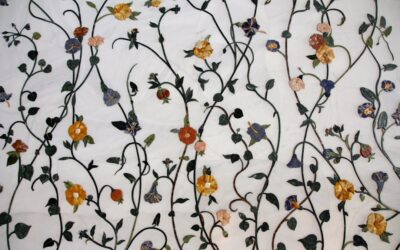
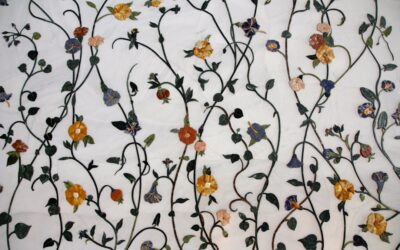
A floral tile backsplash turns a plain stretch of wall into the focal point of your kitchen or bathroom, blending pattern, color, and craftsmanship into a single statement. Whether you lean toward delicate hand-painted blooms or bold modern florals, this is one upgrade that adds personality without a full renovation.
Part of our Kitchen Remodeling guide — explore the full guide →
Choosing a floral tile backsplash involves more than picking a pretty pattern, though. The material, scale, color palette, and layout all shape how the finished wall feels. This guide covers everything you need to design a backsplash that looks intentional and lasts for years.
- Why Choose a Floral Tile Backsplash
- Popular Floral Tile Styles
- Materials and Their Trade-Offs
- Choosing Colors and Scale
- Layout and Installation Considerations
- Pairing Your Backsplash With the Rest of the Room
- Cleaning and Maintaining Floral Tile
- Budgeting for the Project
- Is a Floral Tile Backsplash Right for You
Why Choose a Floral Tile Backsplash
Floral patterns bring warmth and movement to spaces that can otherwise feel flat. A field of solid subway tile is safe and timeless, but a floral design introduces artistry, hinting at influences from Spanish, Moroccan, Portuguese, and English cottage traditions depending on the motif.
Beyond looks, a backsplash is highly practical. It protects the wall behind your stove and sink from splashes, grease, and moisture, and tile is one of the easiest surfaces to wipe clean. Combining that durability with a pattern you genuinely love makes the daily work of cooking and cleaning a little more pleasant.
Popular Floral Tile Styles
Floral tile spans a wide stylistic range, so it helps to know the main families before you shop:
- Hand-painted ceramic: Often inspired by Talavera, Delft, or Portuguese azulejos, these tiles feature painterly blooms with visible brushwork and slight variation that reads as authentic and artisanal.
- Encaustic and cement-look: Bold, graphic florals with a matte finish and strong geometry, popular in farmhouse and eclectic kitchens.
- Mosaic florals: Small pieces assembled into a flowing pattern, sometimes combining glass and stone for shimmer and depth.
- Watercolor and modern prints: Digitally printed porcelain that captures soft gradients and contemporary floral art with crisp detail.
- Relief and embossed tile: Raised floral textures that play with light and shadow, adding dimension even in a single neutral color.
Materials and Their Trade-Offs
Most floral backsplashes use ceramic or porcelain, and both are excellent choices. Porcelain is denser and more water-resistant, while glazed ceramic offers a slightly softer look and is often more affordable. For a kitchen backsplash, either holds up well to heat and moisture.
Glass floral tile reflects light beautifully and resists stains, but it shows fingerprints and can be pricier. Natural stone with carved or printed florals brings organic texture, though it requires sealing to prevent staining from oils and acidic splashes. Always confirm a tile is rated for wall use and, near a cooktop, that it can handle heat.
Choosing Colors and Scale
Scale is the detail homeowners most often overlook. Large, dramatic florals make a powerful statement on a wide wall but can overwhelm a small space, while tiny repeating blooms add gentle texture without dominating the room. As a rule, larger patterns suit open layouts and smaller patterns suit tight or busy kitchens.
For color, decide whether the backsplash should be the star or a supporting player. A vivid multicolor floral pairs best with simple cabinetry and quiet countertops so the eye has somewhere to rest. If your cabinets or counters are already bold, choose a more muted floral in two or three tones to keep the room balanced.
Layout and Installation Considerations
How you arrange the tile changes the entire effect. A continuous floral pattern running across the full backsplash creates a wallpaper-like flow, while a single accent panel behind the range frames the cooktop like a piece of art surrounded by plain tile.
- Decide on a full-coverage design or a focal accent before you buy, since this affects how much patterned tile you need.
- Account for pattern alignment; repeating florals must be laid so the motif continues correctly across grout lines.
- Plan around outlets, windows, and cabinet edges so the pattern is not awkwardly cut in a visible spot.
- Order roughly 10 to 15 percent extra tile to cover cuts, breakage, and future repairs.
Patterned tile is less forgiving than plain tile, so unless you are an experienced DIYer, hiring a professional installer is often worth the cost to ensure the design lines up cleanly. Installation labor commonly runs in the range of $10 to $25 per square foot depending on complexity and region.
Pairing Your Backsplash With the Rest of the Room
A floral backsplash works best when the surrounding finishes give it room to shine. Neutral countertops in white, gray, or warm cream let the pattern breathe, and simple cabinet hardware keeps the look from feeling cluttered.
Pull one color from the floral design and echo it elsewhere, perhaps in a kettle, a runner, or window treatments, to tie the space together. Coordinating grout color also matters: a matching grout makes the pattern flow seamlessly, while a contrasting grout emphasizes the shape of each tile.
Cleaning and Maintaining Floral Tile
Glazed ceramic, porcelain, and glass floral tile clean easily with a soft cloth and a mild, non-abrasive cleaner. Avoid harsh scouring pads or acidic cleaners that can dull glazes or etch certain finishes over time.
Grout is the part that needs the most attention, since it absorbs grease and stains. Sealing grout after installation and resealing it periodically keeps it bright and easier to wipe. For natural stone florals, follow the manufacturer’s sealing schedule to protect the surface.
Budgeting for the Project
Cost varies widely with the tile you choose. Mass-produced printed porcelain florals can be quite affordable, while hand-painted artisan tiles command a premium for their craftsmanship and individuality. For a typical kitchen backsplash, plan for the tile itself plus adhesive, grout, sealer, and trim pieces, and remember that intricate patterns take longer to install and therefore cost more in labor.
If a full floral wall stretches your budget, a smaller accent panel of premium tile surrounded by inexpensive plain field tile delivers a high-end look for less. Mixing a costly artisan floral as a centerpiece with affordable solid tile is a smart way to get impact without paying premium prices for every square foot.
Is a Floral Tile Backsplash Right for You
If you want a kitchen or bath with character and you are not afraid of a little pattern, a floral backsplash delivers big visual impact for a relatively modest investment. It works in cottages, modern homes, and everything in between, simply by changing the style of bloom and the palette.
Take your time choosing scale and color, keep the surrounding finishes calm, and invest in clean installation. Do that, and your backsplash will feel less like a trend and more like a timeless part of your home.
Prefer to explore on your own?
See how new flooring looks in your actual room in seconds — free, no signup.
Try the free Floor Studio →