Few flooring choices make a room feel as instantly inviting as a well-chosen pattern underfoot. A floral carpet brings color, softness, and a sense of personality that solid neutrals simply cannot match, which is why floral designs keep returning to interior trends decade after decade. Whether you want a bold statement or a subtle vintage touch, there is a floral style to fit.
Choosing one well, though, takes more than picking a pretty print. The scale of the pattern, the color palette, the fiber, and the room itself all shape how a floral design reads once it is in place. This guide covers the styles, materials, color strategies, and care tips you need to make a confident choice.
Why Choose a Floral Pattern
Floral designs do something practical as well as decorative: they hide everyday wear. Footprints, vacuum tracks, and small stains disappear far more easily into a busy pattern than into a flat solid color. For high-traffic spaces and homes with kids or pets, that forgiving quality is a real advantage.
Beyond the practical side, florals add visual warmth and movement. A garden-inspired print can soften a stark modern room, anchor a cozy reading nook, or tie together a space that already mixes several textures. The pattern becomes a focal point, which means you can keep walls and furniture simpler while still ending up with a room that feels finished.
Popular Floral Carpet Styles
Floral designs span a wide stylistic range, so it helps to know the major families before you shop:
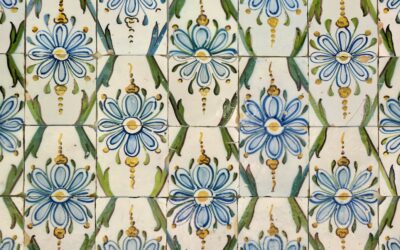
- Traditional and Persian-inspired: intricate, dense blooms in rich reds, blues, and golds, perfect for classic interiors.
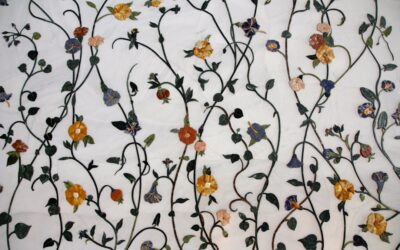
- Vintage and faded: soft, washed-out patterns that feel collected over time and pair well with eclectic decor.
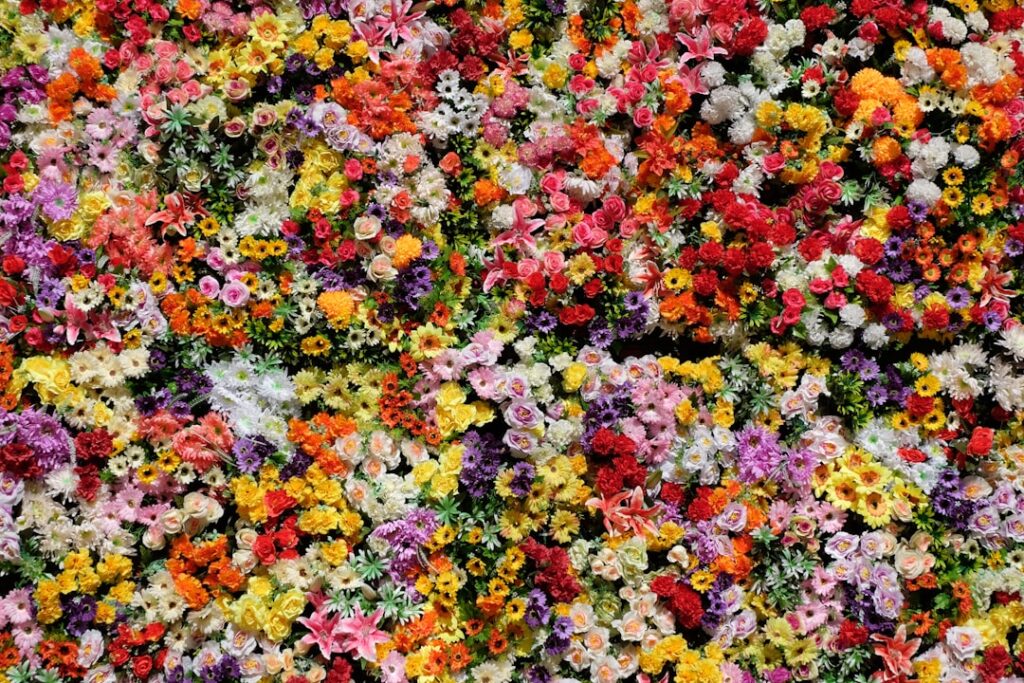
- Modern oversized: large-scale single blooms or abstract petals in bold, graphic color blocks.
- Cottage and chintz: small, scattered flowers on a light background for a fresh, airy look.
- Botanical and tropical: leaves and large foliage mixed with flowers for a more relaxed, organic feel.
Matching the style to your existing decor is the key step. A faded vintage print reads very differently than a crisp oversized modern bloom, even if both are technically floral. Bring home samples and view them in your own light before committing.
Choosing the Right Scale and Color
Pattern scale changes everything about how a floral carpet feels in a room. Large blooms make a bold statement and can make a big room feel grounded, but they may overwhelm a small space. Small, repeating flowers feel calmer and more traditional, and they tend to suit compact rooms better.
Color is the other lever. Pull one or two shades from the carpet into your pillows, curtains, or art to make the whole space feel intentional. If you love a dramatic floral but worry about commitment, choose a design with a neutral background so the pattern reads as an accent rather than taking over the entire floor.
Materials and Construction
The fiber behind the pattern determines how the carpet feels and how long it lasts. Common options each have trade-offs worth weighing before you buy:
- Wool: naturally durable, soft, and stain-resistant, with rich color depth, but at a higher price.
- Nylon: tough and resilient, an excellent choice for busy households and bright patterns.
- Polyester: budget-friendly with vivid color, though it can flatten faster in heavy traffic.
- Polypropylene (olefin): water- and stain-resistant, often used for indoor-outdoor floral styles.
Construction matters too. Cut-pile carpets give a plush, soft surface, while loop and patterned loop constructions hold detailed floral designs more crisply over time. For a floral area rug, check the backing and pile density, since denser rugs resist crushing and keep their pattern sharp.
Where Floral Carpet Works Best
Bedrooms are a natural home for floral designs, where softness and a personal, restful mood are welcome. A floral runner can also bring life to a hallway or staircase, turning a plain transition space into a highlight. Living rooms benefit from a larger floral area rug that defines the seating area and grounds the furniture.
Think carefully before placing florals in very formal or minimalist rooms where the pattern might fight the overall design. That said, a single floral piece can be exactly the unexpected element a clean, modern space needs to feel warmer. The goal is balance, not a room where every surface competes for attention.
Styling a Floral Carpet
The simplest way to style a floral carpet is to let it lead. Keep larger furniture pieces in solid, complementary colors so the pattern has room to breathe, then echo the floral palette in smaller accessories. This approach keeps the room cohesive without feeling matched too perfectly.
Mixing patterns is possible, but proportion is everything. Pair a busy floral with smaller-scale stripes or simple geometrics rather than another large, competing print. When two patterns share at least one color, they read as a deliberate pairing instead of an accident, and the whole room feels curated.
Cleaning and Care
Regular vacuuming is the single best thing you can do to keep a floral carpet looking sharp, since trapped grit wears down fibers and dulls colors. Vacuum at least once a week in busy areas, and more often in homes with pets. Use a vacuum setting appropriate to the pile height to avoid crushing the surface.
For spills, blot rather than rub, working from the outside of the spot inward to avoid spreading the stain. Treat spills quickly and test any cleaner on a hidden corner first, especially with wool. For deep cleaning, follow the manufacturer’s guidance, and consider professional cleaning every year or two to refresh color and texture.
Making Your Final Decision
A good floral choice balances three things: a pattern scale that fits the room, a color palette you can build around, and a fiber suited to how the space is used. Order samples, live with them for a few days, and notice how the colors shift between daylight and lamplight before you decide.
Done thoughtfully, a floral carpet becomes more than a floor covering; it sets the tone for an entire room and hides the wear of daily life in the process. Take your time with the selection, and you will end up with a piece that feels fresh for years rather than a trend you tire of by next season.