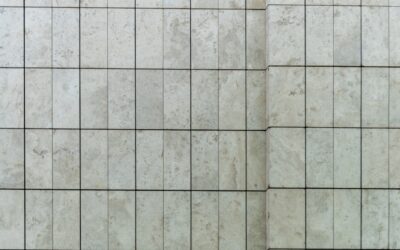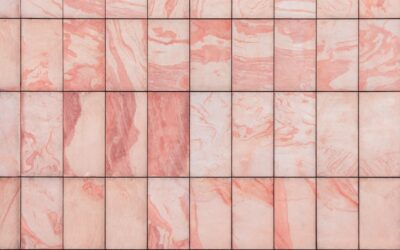
If you love the elegance of Carrara or Calacatta marble but not the maintenance or the price, marble looking tile gives you nearly the same look in a surface that is far tougher and easier to live with. Modern porcelain and ceramic tile use high-definition inkjet printing to reproduce marble veining so convincingly that most people cannot tell the difference from a few feet away. I have installed these in kitchens, baths, and entryways where a real marble slab would have been impractical, and homeowners are consistently surprised at how authentic they look.
Part of our Countertops guide — explore the full guide →
This guide explains how marble-look tile compares to the real thing, what it costs, which finishes and sizes to choose, and where it performs best around the house.
How It Achieves the Marble Look
Today’s marble-look tile is made by printing detailed digital images of natural stone onto the tile body before glazing and firing. The best lines use multiple veining patterns across a run so you do not see the same tile repeating on your floor. Premium porcelain even carries the veining through the full thickness of the tile or adds a textured, polished glaze that mimics the depth of real stone. The result convincingly recreates the soft gray veins of Carrara, the bold gold-and-gray veining of Calacatta, or the warm tones of travertine and Emperador.
Porcelain vs. Real Marble
Once you compare the two side by side on practicality, tile usually wins for a working home:
- Durability: porcelain is fired dense and hard, resisting scratches and chips. Real marble is soft and scratches easily.
- Stain and acid resistance: glazed porcelain is non-porous and shrugs off wine, coffee, and citrus. Marble etches from anything acidic and stains from spills.
- Maintenance: tile needs no sealing, ever. Marble must be sealed regularly and babied.
- Cost: tile costs a fraction of slab marble, both in material and installation.
- Water resistance: porcelain absorbs under 0.5 percent water, making it ideal for showers and wet areas where marble is riskier.
The one thing real marble still offers is the genuine cool touch and the knowledge that it is authentic stone. For most homeowners, that is not worth the upkeep tradeoff.
What It Costs
Marble-look porcelain tile typically runs $2.50 to $7 per square foot for quality lines, with premium large-format and polished options reaching $8 to $12. Compare that to real marble slab or tile, which commonly runs $10 to $40-plus per square foot before the higher install and sealing costs. Installation for tile adds roughly $5 to $12 per square foot depending on layout and your region. All told, a marble-look porcelain floor often costs half to a third of the real thing.
Finishes to Consider
Finish changes both the look and how the tile performs:
- Polished: the glossy, luxurious finish that most closely mimics honed and polished marble. Beautiful on walls and low-traffic floors, but slippery when wet, so I avoid it in showers and busy entries.
- Matte or honed: a soft, low-sheen surface with better slip resistance. My default for bathroom and kitchen floors.
- Textured or lappato: a semi-polished finish that balances shine with grip and hides smudges well.
For any wet floor, check the tile’s DCOF (dynamic coefficient of friction) rating and look for 0.42 or higher for safe footing.
Sizes and Layout
Marble-look tile comes in a wide range of sizes, and the size you pick shapes the whole look. Large-format tiles such as 24×24 inches, 24×48 inches, and even slab-sized 48×110 inch panels create the seamless, minimal-grout appearance that reads most like real stone. Classic 12×24 inch planks are the versatile everyday choice. For a period or spa look, hexagons and marble-look mosaics on mesh sheets work beautifully on shower floors and accent walls. With large-format tile, tight grout lines in a matching color make the marble effect most convincing, so choose a grout that blends with the tile’s background rather than contrasting it.
Best Places to Use It
This is where marble-look tile really earns its keep, because you can put it in spots where real marble would be a headache.
- Bathrooms and showers: the top use. Waterproof, stain-proof, and no sealing, unlike real marble which etches from soap and shampoo.
- Kitchens: floors and backsplashes that survive acidic spills and heavy traffic.
- Entryways and foyers: a grand marble look that handles grit and wet shoes.
- Fireplace surrounds and accent walls: the drama of marble without the weight or cost.
It works with radiant floor heat too, which makes a tile floor as warm underfoot as it is good-looking.
Installation Tips for a Convincing Result
The install makes or breaks the illusion. Real marble slabs have almost no visible seams, so the more your tile floor looks like a grid, the less it reads as stone. A few things help. Choose the largest format that suits the room and your installer’s skill, keep grout joints as tight as the tile’s rectified edges allow, often just 1/16 to 1/8 inch, and pick a grout color that matches the tile background rather than the veining. Blend tiles from several boxes as you set them so any printed pattern repeat is broken up across the floor. For large-format tile over 15 inches, insist on a large-and-heavy-tile mortar and proper back-buttering to avoid lippage, which is the uneven edge-to-edge height that instantly gives away a cheap install.
Cleaning and Everyday Care
One of the quiet joys of marble-look porcelain is how little it asks of you. Sweep or vacuum grit, then damp-mop with plain water or a pH-neutral tile cleaner. Skip the acidic cleaners and harsh abrasives you would never dare use on real marble, not because the porcelain would etch, but simply because neutral cleaners keep the finish looking its best. The grout lines are the only part that needs attention over time; seal them at installation and use an epoxy grout in wet or heavily used areas to keep them from staining. Compared to the constant sealing and careful blotting real marble demands, this is close to maintenance-free.
Brands Worth Knowing
Several established manufacturers produce excellent marble-look lines. Daltile, Marazzi, and MSI all offer wide Carrara and Calacatta look collections through big-box and tile retailers. Florim, Atlas Concorde, and Emil Ceramica make premium Italian porcelain with striking veining if you want a step up. Floor & Decor stocks strong value options, often with matching bullnose and mosaic pieces. Whichever brand you choose, ask to see several boxes so you can confirm the veining varies enough to look natural rather than repetitive.
Is Marble-Look Tile Right for You?
Choose marble looking tile when you want the timeless, high-end appearance of natural stone in a space that needs to be durable, low-maintenance, and budget-friendly. It is the clear winner for bathrooms, kitchens, and busy floors. If you genuinely want authentic stone for a formal, low-use space and are prepared to seal and maintain it, real marble still has its place. But for nearly every practical application in a real home, the tile version delivers the look you want without the worry, and it will still look sharp a decade from now.
Prefer to explore on your own?
See how new flooring looks in your actual room in seconds — free, no signup.
Try the free Floor Studio →