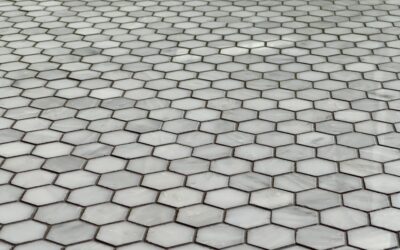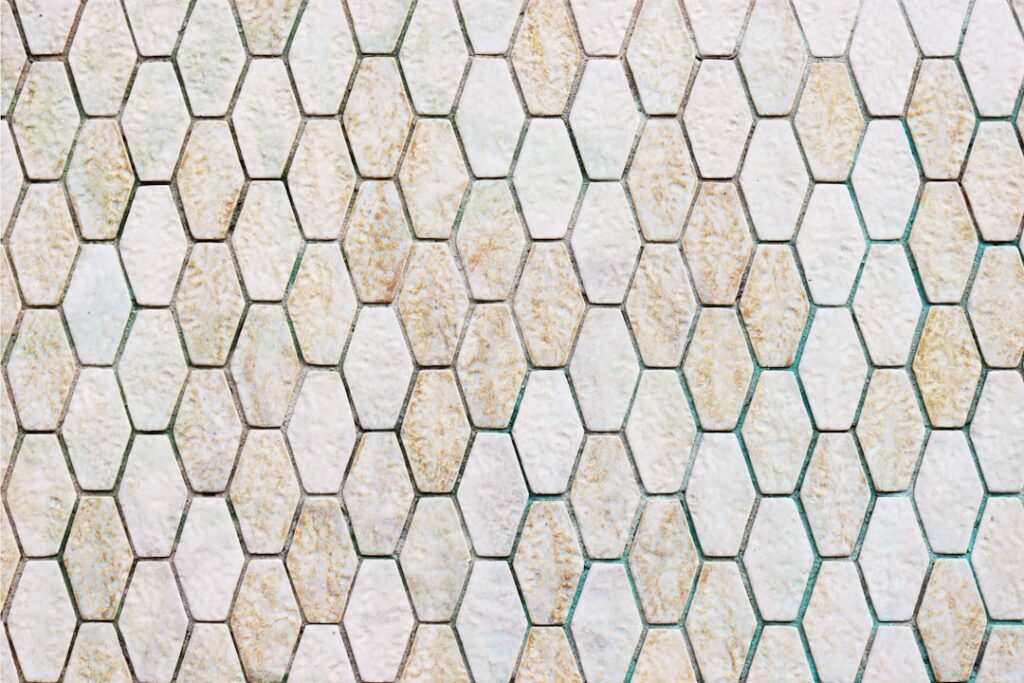
Combining the timeless elegance of natural stone with the crisp geometry of the six-sided honeycomb, hexagon marble tile has become one of the most requested materials for stylish bathrooms, kitchens, and entryways. The hexagon shape is having a major design moment, and in marble it reads as both classic and current, at home in a vintage-inspired powder room or a sleek modern shower. Marble’s soft veining, cool touch, and luminous depth give the shape a richness that ceramic hexagons cannot match. This guide walks through the common sizes, the best places to use hexagon marble tile, what it costs, the sealing and care it demands, and how to get a clean installation.
Part of our Countertops guide — explore the full guide →
Why Hexagon Marble Endures
Hexagon tile has a long pedigree in American homes, tracing back to the small white hex mosaics that covered early-twentieth-century bathroom floors. That heritage gives it an instantly classic, timeless quality. Rendering the shape in real marble elevates it further, adding natural veining and subtle color variation that make every installation unique.
The hexagon’s angled edges create a subtle sense of movement and pattern that a plain grid of squares lacks, drawing the eye without shouting. In marble, the effect is understated luxury. That blend of historical familiarity and geometric interest is why hexagon marble works across so many styles, from traditional and transitional to clean contemporary spaces.
Common Sizes and Marble Types
Hexagon marble tile comes in a range of sizes, and the scale you choose dramatically changes the look. Small hexagons read as a detailed mosaic, while large ones make a bold, modern statement.
- Small mosaics (1 to 2 inch): Sold on mesh-backed sheets, ideal for shower floors and classic vintage-style bathroom floors; the extra grout lines add slip resistance underfoot.
- Medium (3 to 4 inch): A versatile size for floors and walls that balances pattern and simplicity.
- Large format (6 inch and up): Individual tiles that create a bold, contemporary honeycomb, great for feature walls and open floors.
Marble choices shape the palette. Classic Carrara offers soft grey veining on a white ground, Calacatta delivers bolder, dramatic veins on a bright white field, and options like Bianco Carrara, Thassos white, Nero Marquina black, and warm Emperador brown let you dial the look from airy to dramatic. Honed marble gives a soft matte finish that hides etching better, while polished marble shows a glossy shine but reveals wear more readily.
Best Places to Use Hexagon Marble Tile
Marble’s beauty comes with real sensitivity, so where you use it matters. The shape and stone shine brightest in a few settings.
Bathroom floors are the classic application, where small marble hexagons evoke that timeless period look and the many grout joints improve traction. Shower floors are ideal for mosaic hexagons, since the sheets conform to the slope toward the drain and the grout lines add grip. On walls, hexagon marble makes a striking backsplash, accent wall, or shower surround, where it is protected from foot traffic and etching. Entryways and powder rooms, which see moderate traffic, also suit marble hex well. Kitchen backsplashes work beautifully, though marble countertops and busy kitchen floors demand more vigilant care because of marble’s tendency to etch and stain from acids and spills.
What Hexagon Marble Tile Costs
As a natural stone, hexagon marble sits above ceramic and porcelain in price. Material typically runs $10 to $30 per square foot for common Carrara and similar marbles, with premium Calacatta and exotic colors climbing to $40 or more. Mesh-backed mosaic sheets and large-format individual tiles fall within this range depending on marble grade.
Installation adds meaningful cost because setting stone, especially small mosaics and angled hexagon cuts, is labor-intensive and requires skill to keep joints even. Professional installation commonly adds $8 to $15 per square foot. Because marble also requires sealing and careful handling, factor sealer and ongoing maintenance into the true cost. Many homeowners use hexagon marble as a feature, a shower floor, a backsplash, or a powder-room floor, to get the luxury look while keeping the budget and maintenance manageable.
Sealing and Care Requirements
Marble is a calcium-based stone, which means it is porous and reactive, and honest care expectations are essential. Marble stains from spills and etches, meaning it develops dull spots, on contact with acids like citrus, wine, coffee, and many cleaning products. This is the trade-off for its beauty.
To protect it, seal marble hexagon tile with a quality penetrating stone sealer after installation and reseal periodically, more often on floors and counters than on walls. Clean only with pH-neutral stone cleaners and never with vinegar, bleach, or acidic bathroom sprays. Wipe spills promptly, use mats in high-traffic spots, and choose a honed finish for floors since it hides etching and offers better slip resistance than polished. On grout, use a grout sealer too, and consider a slightly darker grout on floors to disguise inevitable dirt. Homeowners who accept marble’s need for gentle care are rewarded with a surface that ages into a soft, lived-in patina many people prize.
Installation Tips for a Clean Result
Installing hexagon marble well takes patience and the right approach. Because marble is translucent, use a white thinset mortar rather than grey, as grey can shadow through lighter stones and dull their color. Dry-lay a section first to plan the pattern and minimize awkward cuts at the edges and around fixtures.
Keep grout joints consistent, using tile spacers sized to the mosaic sheets, and aim for tight, uniform lines that let the hexagon pattern read cleanly. For mosaic sheets, check alignment between sheets carefully so the honeycomb flows continuously without visible seams. Seal the marble before grouting to keep grout from staining the porous stone, then seal again after grouting. Given the cost of the material and the precision the angled shape demands, this is a project where hiring an experienced tile setter usually pays for itself. Done right, a hexagon marble tile floor or wall delivers a look that feels both timeless and fresh.
Pairing Hexagon Marble With Other Finishes
Hexagon marble rarely stands alone, so thinking about how it pairs with the rest of the room pays off. On a bathroom floor, small white or grey marble hexagons work beautifully beneath white subway tile on the walls, a combination that reads as classic without feeling dated. For a more contemporary look, pair large-format hexagons with matte black fixtures and simple slab-front cabinetry to let the geometry and veining lead.
Metals set the tone as well. Polished chrome and nickel keep a cool marble like Carrara feeling crisp and modern, while brass and gold warm up the same stone toward a more luxurious, transitional feel. When combining marble hex with wood, a warm oak vanity softens the coolness of grey-veined marble and adds welcome contrast. The one rule to remember is restraint: because the hexagon shape and marble veining already carry visual interest, keep the surrounding finishes relatively simple so the tile remains the star rather than one competing element among many. Handled with that balance, a hexagon marble tile floor or wall will remain a beautiful, distinctive feature of your home for decades with proper sealing and care.
Prefer to explore on your own?
See how new flooring looks in your actual room in seconds — free, no signup.
Try the free Floor Studio →