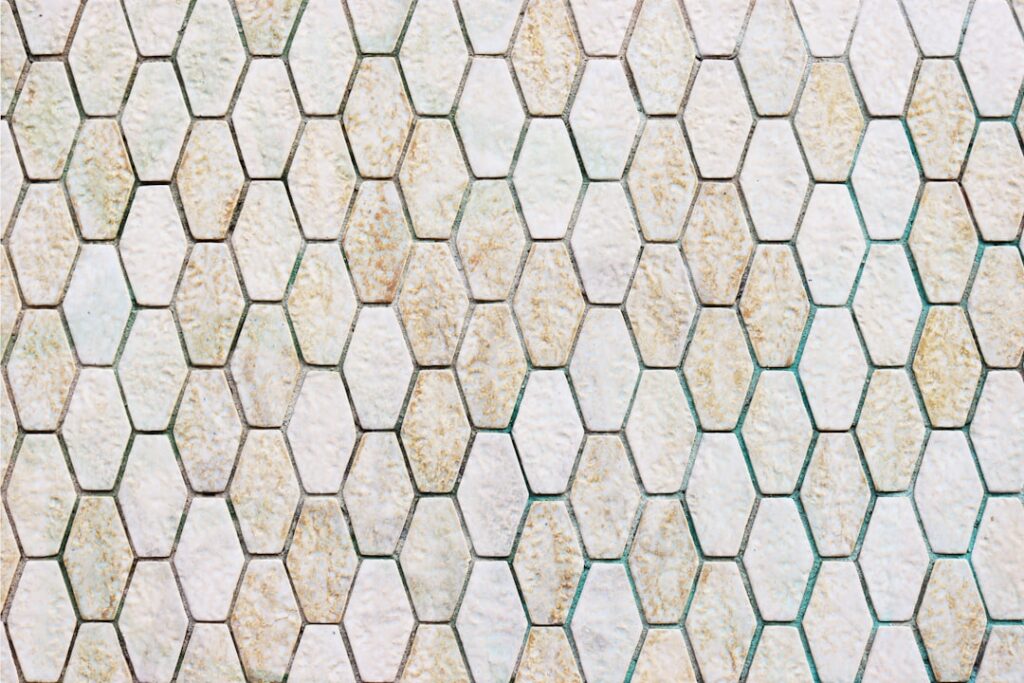
Timeless yet endlessly adaptable, small hexagon tile has been charming homeowners since the early twentieth century and remains one of the most versatile mosaic choices today. The six-sided geometry brings a subtle pattern that feels both classic and contemporary, while the compact scale delivers excellent slip resistance and a crafted, detailed look. From vintage-inspired bathroom floors to sleek modern backsplashes, this shape adapts to nearly any style. In this guide we will explore design ideas, color and grout choices, real costs, and installation tips to help you use it beautifully.
- Why Small Hexagon Tile Is So Versatile
- Design Inspiration and Style Directions
- Best Places to Use Small Hexagon Tile
- How Much Does Small Hexagon Tile Cost
- Choosing Color and Grout
- Installation Tips
- Pros and Cons
- Material Options and Their Trade-Offs
- Creating a Tile Transition Effect
- Estimating Materials and Planning Layout
- Maintaining a Hexagon Tile Floor
- Final Thoughts
Why Small Hexagon Tile Is So Versatile
The hexagon is a naturally pleasing shape that reads as orderly without the rigidity of a square grid. In a small format, usually one to two inches across, the tiles come mounted on mesh sheets for easy installation and create a dense honeycomb of grout lines that grips wet feet. That combination of visual interest and practical grip is why designers reach for it in bathrooms and entryways. The shape carries strong vintage associations, evoking classic 1920s bathrooms, yet it looks equally at home in a modern space when paired with clean colors and tight grout.
Design Inspiration and Style Directions
A small hexagon tile can lean in many stylistic directions depending on color and setting:
- Vintage classic: White hexagons with a scattered black accent or a bordered field, the timeless bathroom look.
- Modern monochrome: Matte black or charcoal hexagons for a sleek, contemporary floor.
- Marble luxury: Carrara or Calacatta hexagons that bring understated elegance to a shower or floor.
- Soft color: Muted sage, blush, or blue hexagons for a gentle, current pop.
- Warm and organic: Terracotta or cement-look hexagons for a Mediterranean feel.
The shape also works beautifully as a transition, “fading” from hexagon tile into wood-look flooring for a distinctive design moment in an entryway or kitchen.
Best Places to Use Small Hexagon Tile
Bathrooms are the natural home for this format. It excels on bathroom and shower floors thanks to its slip resistance, and it makes a charming main bathroom or powder-room floor. On walls, it works as a backsplash, a shower niche accent, or a full feature wall. It also suits laundry rooms, mudrooms, and entry floors where its grippy, detailed surface is both practical and pretty. Because the pattern is busy, designers often pair it with plainer larger tiles or solid walls so the eye has somewhere to rest.
How Much Does Small Hexagon Tile Cost
Price depends primarily on material:
- Ceramic and porcelain: $4 to $12 per square foot.
- Glass: $10 to $22 per square foot.
- Marble and natural stone: $12 to $30 per square foot.
Installation for mosaic sheets typically runs $10 to $18 per square foot because keeping consistent spacing between sheets requires care. A small 40-square-foot bathroom floor might total $600 to $1,600 installed with mid-range porcelain. Order at least 10 percent extra, since cutting hexagons around fixtures wastes more material than rectangular tile, and having spares makes future repairs seamless.
Choosing Color and Grout
Because these mosaics are largely grout lines, grout color is a major design lever:
- High contrast: Dark grout under white hexagons celebrates the honeycomb geometry for a bold, graphic look.
- Tone-on-tone: Grout matched to the tile softens the pattern and emphasizes color over shape.
- Practical middle ground: Soft gray or greige grout hides dirt in floor applications far better than bright white.
Use an unsanded grout for the tight joints typical of small mosaics, and choose a stain-resistant epoxy or urethane grout in showers to reduce long-term maintenance.
Installation Tips
The mesh backing makes this project approachable, but detail matters for a clean result:
- Work over a flat, smooth mortar bed so no ridges telegraph through the thin mosaic.
- Match the spacing between sheets to the spacing within each sheet, or seams will appear as visible grid lines.
- Press sheets with a flat block or grout float to embed them evenly and prevent high spots.
- Cut individual hexagons off the mesh to fill edges neatly rather than leaving gaps.
- On shower floors, confirm the slope to the drain before setting the sheets.
Pros and Cons
The strengths are timeless style, excellent slip resistance, easy conforming to slopes, and forgiving repairs since a single replacement hexagon is inexpensive. The trade-offs are extra grout to clean, a busier visual field that not every space can carry, and slightly higher installation labor than large-format tile. For a floor that feels crafted and grips underfoot, the balance strongly favors this classic shape.
Material Options and Their Trade-Offs
The material you choose shapes both the look and the upkeep of a small hexagon floor. Porcelain is the most practical, offering hardness, water resistance, and low maintenance in a huge range of colors and finishes, making it ideal for bathroom and shower floors. Ceramic is a softer, budget-friendly option best for walls and lighter-traffic areas. Marble and natural stone bring genuine luxury and unique veining but require sealing and gentler cleaning. Glass hexagons add reflective sparkle to backsplashes and accents. For a floor that will see water and wear, glazed porcelain almost always offers the best balance of beauty, durability, and easy care.
Creating a Tile Transition Effect
One of the most striking uses of small hexagon tile is the transition, where hexagons appear to dissolve into an adjoining wood-look floor. Individual hexagons are removed from the mesh and set in a scattered, thinning pattern along the boundary, so the mosaic seems to melt into the planks. This design moment works beautifully at the threshold between an entryway and a living area, or between a mudroom and a kitchen, marking the change of zones with artistry rather than a plain metal strip. It takes extra planning and cutting, but the custom, high-end result is a genuine conversation piece.
Estimating Materials and Planning Layout
Because these tiles come on mesh sheets, quantity planning is straightforward but benefits from care. Measure the floor or wall area, add 10 to 15 percent for waste, and lean toward the higher figure for rooms with many fixtures or curves that require cutting individual hexagons. Before setting, dry-lay a few sheets to check how the pattern meets the walls and to plan where cut pieces will fall, ideally keeping full hexagons in the most visible areas. Order a spare sheet for future repairs, since matching a specific color and finish years later can be difficult once a product line changes.
Maintaining a Hexagon Tile Floor
The dense grid of grout lines that gives small hexagon tile its slip resistance also means a bit more cleaning, but a simple routine keeps it looking sharp. Sweep or vacuum regularly to lift grit before it settles into the joints, then mop with a pH-neutral cleaner and use a soft brush to work into the grout lines where dirt collects. In a shower, squeegee the walls and rinse the floor to reduce soap scum, and clean the grout periodically to prevent discoloration. Seal cement grout after installation and reseal every year or so, or choose an epoxy grout up front to minimize upkeep. For marble or natural-stone hexagons, avoid acidic cleaners that etch the surface. With this modest attention, the honeycomb floor keeps its crisp, crafted appearance and reliable grip for many years, rewarding the extra cleaning with lasting character and safety.
Final Thoughts
A small hexagon tile installation offers a rare mix of vintage charm, modern flexibility, and everyday practicality. Its honeycomb geometry adds character that plain squares cannot match, while the compact scale delivers real slip resistance in wet areas. By choosing the right material for your budget, pairing the busy pattern with calmer surfaces, and thinking carefully about grout color, you can create a floor or backsplash that feels both personal and enduring. For homeowners chasing texture, grip, and timeless style, small hexagon tile remains a reliably beautiful choice.
Prefer to explore on your own?
See how new flooring looks in your actual room in seconds — free, no signup.
Try the free Floor Studio →