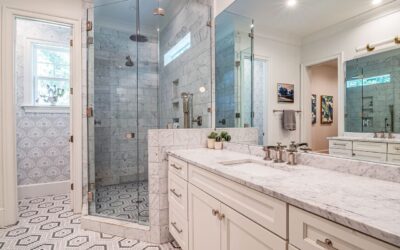
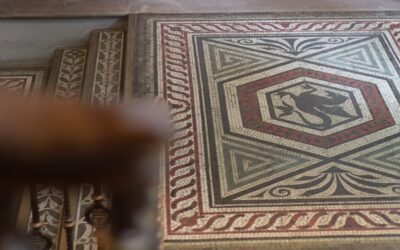
Hexagon mosaic tile is a timeless six-sided format that has been gracing floors and walls for over a century, and it continues to feel fresh in modern interiors. The honeycomb shape creates a satisfying geometric rhythm that works equally well in vintage-inspired bathrooms and sleek contemporary kitchens. This guide explains the materials, sizes, layout options, and installation details you need to use hexagon tile with confidence.
Part of our Tile & Grout guide — explore the full guide →
Mosaic hexagons usually come pre-mounted on mesh sheets, which makes a complex-looking pattern surprisingly approachable. That combination of high visual impact and manageable installation is a big part of their enduring popularity.
What Hexagon Mosaic Tile Is
Mosaic tile refers to small tiles, typically under about 4 inches on a side, that are arranged on a backing sheet so they can be installed as a unit. When those small tiles are six-sided, you get hexagon mosaic. The mesh backing holds the spacing consistent, so you set whole sheets at a time rather than placing each tiny tile individually.
The hexagon shape has practical appeal beyond its looks. The many grout lines provide traction, which makes hexagon mosaics a popular and slip-resistant option for bathroom and shower floors. The same shape also conforms reasonably well to gentle curves and irregular spaces.
Common Materials
Hexagon mosaics come in a wide range of materials, each with its own strengths:
- Porcelain and ceramic: Durable, water-resistant, and affordable, suitable for floors, walls, and wet areas.
- Marble and natural stone: Elegant and luxurious, though they require sealing and gentler care.
- Glass: Reflective and vibrant, ideal for backsplashes and accent walls but not heavy floor traffic.
- Cement (encaustic): Bold colors and patterns with a matte, artisanal look, requiring sealing.
- Metal and mixed-material blends: Used for decorative accents and feature strips.
For floors, porcelain and ceramic offer the best balance of durability and value. For backsplashes and accent walls, glass and stone open up more decorative possibilities.
Sizes and Layout Options
Hexagon mosaics range from tiny penny-style hexes under an inch wide to larger hexagons several inches across. Small hexagons read as traditional and detailed, perfect for vintage bathroom floors, while larger hexagons feel modern and create a cleaner, bolder look. The size you choose dramatically changes the room’s character.
Layout offers even more creativity. You can install a solid field of one color, scatter accent tiles for a speckled effect, or create a defined border or rug-like inset. A popular modern technique fades hexagons from solid color into plain field tile, creating a gradient that draws the eye. Plan your pattern on paper before buying so you order the right quantities of each color.
Where to Use Hexagon Mosaic Tile
These tiles are remarkably versatile. On bathroom floors, the abundant grout lines add slip resistance and a classic look. On shower walls and floors, porcelain and glass hexagons resist moisture beautifully. In kitchens, a hexagon backsplash makes a distinctive statement behind a range or sink.
Hexagons also shine as accent features. A band of contrasting hexagon mosaic can frame a larger tile installation, define a niche, or create a feature wall in an entryway. Because the format is so recognizable, even a small amount of hexagon tile adds character to a space.
Cost Expectations
Pricing depends on material and quality, so use these figures as estimates rather than quotes. Ceramic and porcelain hexagon mosaics commonly run $5 to $15 per square foot for materials. Glass and standard marble mosaics often fall between $10 and $30 per square foot.
Premium natural stone and specialty cement tiles can climb to $30 per square foot or more. Professional installation typically adds $7 to $15 per square foot depending on the complexity of the layout and the surface being tiled. Intricate patterns, curved walls, and detailed borders increase labor time, so factor that into your budget and request itemized quotes.
Installation Basics
Because hexagon mosaics arrive on mesh sheets, installation is more accessible than placing individual tiles, but it still demands care. The general process looks like this:
- Prepare a clean, flat, and properly waterproofed substrate, which is essential in wet areas.
- Plan your layout and dry-fit sheets to work out cuts and how patterns meet at corners.
- Spread thin-set mortar with a notched trowel and press the sheets into place, aligning the spacing between sheets so the joints look continuous.
- Cut individual hexagons as needed with a wet saw or nippers for edges and obstacles.
- Let the mortar cure, then grout, wipe, and clean the surface.
The most common pitfall is misaligning the gaps between sheets, which breaks the seamless pattern. Take your time matching the joints. For natural stone or large floor installations, hiring an experienced tile setter ensures a flawless, lasting result, and always follow the manufacturer’s instructions for mortar, grout, and sealing.
Design Inspiration and Trends
Hexagon mosaic tile lends itself to creative, eye-catching designs. One enduring favorite is the marble hexagon bathroom floor, which channels classic early-twentieth-century style while feeling fresh and upscale. For a modern twist, large-format matte black or terrazzo-look hexagons make a bold statement in contemporary kitchens and powder rooms. Mixing two or three coordinating colors within the field adds subtle depth without a separate pattern.
Transition details are another popular use. Some homeowners blend hexagon tile into adjacent wood flooring, fading the hexes into the planks for a striking, custom threshold between a kitchen and living area. Picket and elongated hexagon shapes offer a stretched, modern alternative to the traditional honeycomb. Whatever direction you choose, ordering a few extra tiles for future repairs is wise, since dye lots and product lines change over time and an exact match can be hard to find later.
Sealing and Maintenance
Maintenance depends on the material. Porcelain, ceramic, and glass are nonporous and need only routine cleaning with a pH-neutral cleaner and occasional grout attention. Natural stone and cement tiles are porous and require sealing after installation and periodically thereafter to resist stains and moisture.
Grout is the part most likely to discolor over time, so seal it where recommended and clean it regularly to keep the pattern crisp. With proper installation and basic upkeep, hexagon mosaic tile is exceptionally long-lasting. Its blend of classic charm, slip resistance, and design flexibility makes it one of the most rewarding tile choices for floors, walls, and accents throughout the home.
Prefer to explore on your own?
See how new flooring looks in your actual room in seconds — free, no signup.
Try the free Floor Studio →