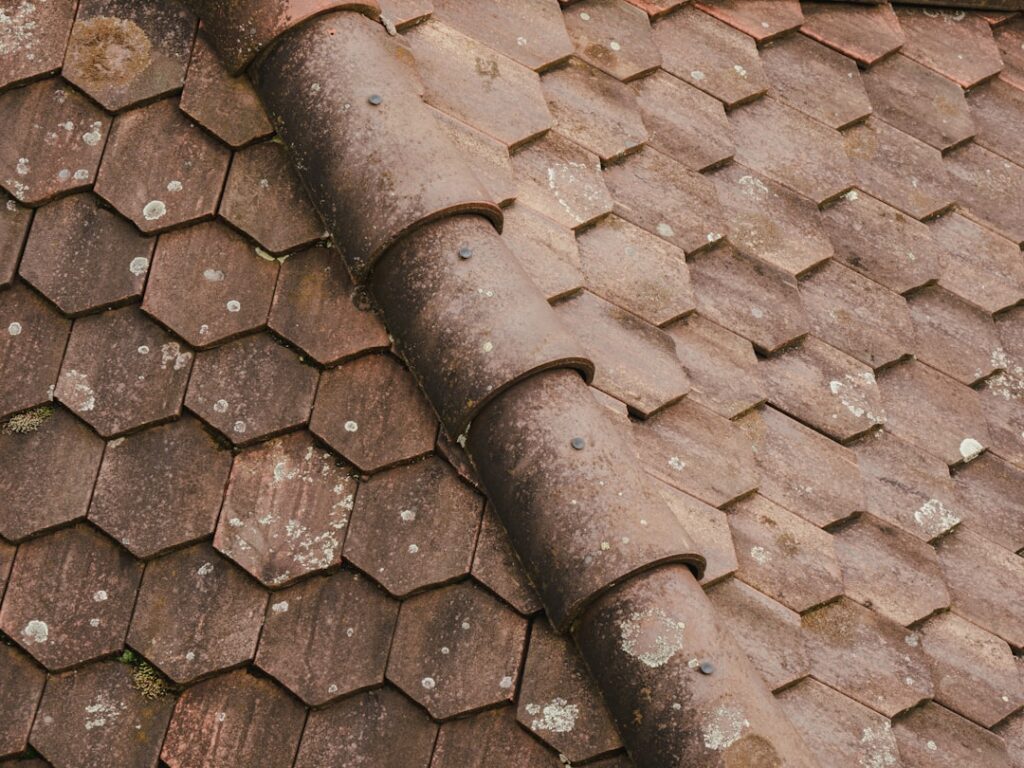
Terracotta has warmed floors for thousands of years, but the classic square and octagon shapes can feel dated in a contemporary home. Cut that same warm clay into a six-sided shape and something interesting happens, the rustic material suddenly reads modern. Hexagon terracotta tile marries the earthy, hand-made character of fired clay with a geometric shape that fits current design, giving you a floor or wall that feels both timeless and fresh. Whether it is genuine kiln-fired terracotta or a porcelain look-alike, this tile brings honeyed orange and amber tones that no gray floor can match. Understanding the differences and the care involved keeps you from a costly surprise down the road.
Here is what to know about the material, where it works, how to seal it, and what it costs.
Real Terracotta vs. Porcelain Look-Alikes
The first decision is which kind of hexagon you are actually buying, because they behave very differently. Genuine terracotta is fired natural clay, porous, soft, and full of the color variation and small imperfections that give it soul. Porcelain terracotta-look tile is a hard, dense, printed tile that mimics the clay color without the maintenance.
True terracotta must be sealed and can chip or stain if neglected, but it develops a rich patina over decades that many people prize. Porcelain look-alikes never need sealing, resist stains completely, and hold up to freeze-thaw outdoors, but they lack the subtle depth of the real thing. For a busy kitchen or a bathroom, I usually steer clients to porcelain; for a low-traffic entry or a purist restoration, real terracotta is worth the upkeep.
Where Hexagon Terracotta Tile Shines
The warm tone and geometric shape make this tile a designer favorite in specific spots. It brings personality to rooms that could otherwise feel flat.
- Kitchens: A hex terracotta floor grounds white or sage-green cabinets and hides crumbs between sweeps.
- Entryways and mudrooms: The warm, forgiving color disguises dirt tracked in from outside.
- Bathrooms: Sealed terracotta or porcelain hex adds spa-like warmth underfoot.
- Fireplace surrounds and accent walls: The rich clay tone reads cozy against a fire.
- Patios and courtyards: Freeze-rated porcelain versions handle outdoor use where real terracotta would crack in cold climates.
Sizes and Layout
Hexagon terracotta comes in a range of sizes, and the scale changes the whole feel. Small 2- to 4-inch hexes create a busy, detailed pattern with lots of grout lines, good for a vintage or bistro look. Larger 8- to 12-inch hexes read cleaner and more modern, with fewer joints to clean.
Because hexagons tessellate on their own, layout is largely automatic, but plan your starting point carefully so the cut pieces at the walls are balanced rather than leaving a sliver on one side. Dry-lay a few rows first, and snap chalk lines through the center of the room to keep the pattern square to the space.
Sealing Real Terracotta the Right Way
If you choose genuine terracotta, sealing is not optional, it is the whole game. Unsealed clay drinks up water, oil, and wine and stains almost instantly. Follow this sequence for a floor that lasts:
- Let newly laid tile cure and dry completely, at least 48 to 72 hours after grouting.
- Apply a penetrating sealer to the bare tile before grouting to prevent grout haze from staining the porous surface.
- After grouting, apply two to three coats of a penetrating sealer, then a topical wax or finish if you want sheen.
- Reseal high-traffic areas every one to two years; test by dropping water, if it beads, the seal is intact.
Skipping the pre-grout seal is the single most common terracotta mistake I see. Grout haze bonds to raw clay and is miserable to remove.
Cost and Budgeting
Pricing varies widely between the real thing and the look-alike. Here is a realistic range for materials:
- Handmade genuine terracotta hex: $6 to $15 per square foot, more for imported artisan tile.
- Machine-made terracotta: $4 to $8 per square foot.
- Porcelain terracotta-look hex: $4 to $10 per square foot.
Add installation at $8 to $15 per square foot, plus sealer and materials. Terracotta also runs a bit higher on labor because the soft tile requires careful handling and the sealing adds days to the schedule. Order 15 percent extra; the color variation in real terracotta means you want plenty on hand to blend and to cover future repairs.
Care and Everyday Maintenance
Sealed terracotta is easy to live with day to day. Sweep or vacuum grit regularly, since sand grinds down the surface and the sealer. Damp-mop with a pH-neutral stone cleaner, never vinegar or acidic cleaners, which etch and strip the finish.
Wipe spills promptly, especially oil, wine, and citrus, even on sealed tile. Porcelain look-alikes need none of this fuss, just routine sweeping and mopping, which is exactly why they have become so popular for families who love the terracotta look but not the maintenance calendar.
Design Pairings
The warm clay tone pairs naturally with other organic materials. White or cream walls let the terracotta glow, while sage green, deep navy, and warm wood cabinetry all complement the amber tones. Brass and aged bronze fixtures echo the warmth; matte black adds a modern contrast.
For grout, a warm sand or tan color keeps the look cohesive and hides the dirt that a floor collects. A darker charcoal grout emphasizes the hexagon geometry for a more graphic, contemporary statement, just be prepared to keep it clean.
Indoor vs. Outdoor Use and Climate
Where you live should steer your material choice as much as your taste does. Genuine terracotta is porous, so in a cold climate any water it absorbs can freeze, expand, and crack the tile, which is why real terracotta belongs indoors or on covered porches in northern zones. In a warm, dry region, a sealed terracotta patio can last for generations, developing the sun-baked patina that gives Southwestern and Mediterranean homes their character.
For outdoor use anywhere with a real winter, choose a freeze-thaw-rated porcelain that reproduces the terracotta look. These pavers carry a low water-absorption rating, typically under 0.5 percent, and shrug off the freeze cycles that would spall natural clay. They also stay more slip-resistant when wet if you choose a textured finish with a DCOF above 0.42. Indoors, either material works, but match the tile’s PEI hardness rating to the traffic: a PEI 3 or higher handles a busy kitchen or entry, while lighter-rated tile is fine for a low-traffic powder room or accent wall.
Is It Right for Your Home?
Hexagon terracotta tile delivers warmth and character that cool, gray floors simply cannot. Decide first between genuine clay, with its patina and its sealing routine, and porcelain look-alikes that offer the same tone maintenance-free. Match the hex size to the mood you want, seal real terracotta thoroughly before and after grouting, and pair it with warm neutrals and natural materials. Choose well and you will have a floor with the soul of an old-world farmhouse and a shape that keeps it looking current for decades.
Prefer to explore on your own?
See how new flooring looks in your actual room in seconds — free, no signup.
Try the free Floor Studio →