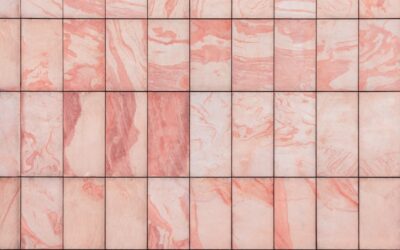
Real terracotta is gorgeous and high-maintenance, which is exactly why so many homeowners now reach for its porcelain stand-in. Terracotta look porcelain tile reproduces the warm, sun-baked clay tones and the subtle surface variation of traditional Saltillo and Mediterranean pavers, but it skips the constant sealing, the staining, and the fragility that come with genuine fired clay. Because terracotta look porcelain tile is fully vitrified, it resists water, wear, and freeze-thaw damage in ways real terracotta never could. This guide explains the finishes, sizes, cost, and installation choices that make the swap work.
Part of our Tile & Grout guide — explore the full guide →
- Why Porcelain Beats Real Terracotta for Most Homes
- Finishes: Matte, Textured, and Handmade Looks
- Sizes, Shapes, and Layout Patterns
- What Terracotta Look Porcelain Tile Costs
- Installation and Subfloor Considerations
- Where This Tile Shines and How to Care for It
- Reading the Color Range and Choosing Grout
- Comparing It to Other Wood- and Stone-Look Tiles
Why Porcelain Beats Real Terracotta for Most Homes
Genuine terracotta is a soft, porous clay fired at a relatively low temperature. It drinks in water, oil, and wine, so it needs penetrating sealer on installation and periodic resealing for the life of the floor. Skip a sealing cycle and you get dark blotches that are nearly impossible to remove. Porcelain, by contrast, is fired at around 2,200 degrees Fahrenheit until it vitrifies into a dense body with a water absorption rate at or below 0.5 percent. That density means no sealing of the tile face, strong stain resistance, and durability that shrugs off heavy foot traffic.
The visual gap has closed dramatically. High-definition inkjet printing lays down multiple clay tones, trowel marks, and even faux efflorescence across a run of tiles, so no two pieces look identical. From standing height, a good terracotta-look porcelain floor is difficult to distinguish from the real thing, and it feels the same underfoot when you choose a matte, lightly textured surface.
Finishes: Matte, Textured, and Handmade Looks
The finish you pick controls how authentic the floor reads and how it performs. Matte and honed surfaces mimic the soft, low-sheen glow of aged clay and hide footprints well. Lightly textured or structured finishes add slip resistance, which matters in kitchens, entries, and any space that gets wet. For a rustic, old-world feel, look for tiles with irregular pressed edges and a gently undulating face that echoes handmade Saltillo.
Check the slip-resistance rating if the floor will see water. A dynamic coefficient of friction (DCOF) of 0.42 or higher is the common benchmark for floors likely to get wet. Outdoor and pool-surround applications call for a more aggressive textured surface. Avoid high-gloss versions if you want a believable terracotta look, since real clay is never shiny.
Sizes, Shapes, and Layout Patterns
Terracotta-look porcelain comes in far more formats than traditional clay pavers ever did. Common square sizes run 8 by 8, 12 by 12, and 18 by 18 inches, while plank-shaped versions and hexagons open up contemporary and Spanish-revival layouts. Larger squares suit open-plan great rooms and read modern; smaller squares and hexagons feel cottage and traditional.
Layout multiplies the effect. A classic straight grid is timeless, but a running-bond offset, a pinwheel with a small accent square, or a diagonal set all lend movement. Genuine terracotta was often laid with wide grout joints, so a 3/8 to 1/2 inch joint in a warm sand or buff grout reinforces the authentic look. Dry-lay a few square feet before committing so you can shuffle tiles and avoid clustering the darkest or lightest pieces.
What Terracotta Look Porcelain Tile Costs
Material pricing is competitive with other quality porcelain. Expect roughly $3 to $8 per square foot for the tile itself, with premium handmade-look and larger-format collections reaching $9 to $12. Installation adds meaningfully to the total. Professional setting typically runs $8 to $15 per square foot in labor depending on your region, the layout complexity, and subfloor prep.
Budget for the extras that DIYers forget: thinset mortar, grout, a foam or membrane underlayment or crack-isolation membrane where needed, spacers, and 10 to 15 percent overage for cuts and future repairs. A 200 square foot kitchen floor installed professionally often lands somewhere between $2,500 and $4,500 all in, though your quote will vary with material choice and local labor rates.
Compare that against the lifetime cost of real terracotta, which looks cheaper on the tile shelf but demands repeated sealing, careful cleaning, and eventual repairs to chipped or stained pavers. Porcelain’s higher upfront material cost is often offset within a few years by the sealing products and labor you never have to buy. Factor in that a porcelain floor rarely needs replacement for decades, and the value equation tilts firmly toward the look-alike for most homeowners.
Installation and Subfloor Considerations
Porcelain is heavy and rigid, so the substrate under it must be flat and stiff. On a concrete slab, fill low spots and grind high ones until the surface is within 1/8 inch over 10 feet. Over a wood subfloor, install a cement backer board or an uncoupling membrane to manage movement; wood expands and contracts, and a rigid tile laid straight over flexing plywood will crack or pop grout. A crack-isolation membrane is cheap insurance over any slab that already shows hairline cracks.
Use a large-format mortar and back-butter big tiles to reach the coverage needed to prevent hollow spots. Level clips or a leveling system reduce lippage between tiles, which is critical with the wider grout joints that suit a terracotta look. Let the floor cure before grouting, then seal only the grout, not the tile, with a penetrating grout sealer. If you are new to setting large, heavy tile, this is a job where a skilled installer often pays for itself in a flat, lippage-free result.
Where This Tile Shines and How to Care for It
Because it is waterproof and tough, terracotta-look porcelain works nearly everywhere real clay would struggle: kitchens, bathrooms, mudrooms, sunrooms, covered patios, and open-plan living areas. Frost-rated versions handle outdoor use in cold climates where genuine terracotta would spall after a freeze. Pairing it with radiant floor heat is a popular move, since the dense body conducts and holds warmth well and the warm color reads cozy underfoot.
Maintenance is refreshingly simple. Sweep or vacuum grit that would otherwise act like sandpaper, then damp-mop with a pH-neutral cleaner. Skip waxes and oil soaps, which build a dull film on porcelain. Re-seal the grout lines every year or two in wet areas to keep them from staining. With almost no upkeep, terracotta-look porcelain delivers the character of an old-world clay floor and the practicality of modern tile, which is why it has become one of the most requested looks in kitchens and entryways.
Reading the Color Range and Choosing Grout
Terracotta is never a single color, and the best porcelain versions capture that range. Authentic clay runs from pale buff and apricot through burnt orange to deep rust and even smoky brown at the edges, often within a single tile. When you shop, ask how many distinct face patterns, sometimes called faces or graphics, a collection includes. A collection with only three or four repeating faces will show an obvious pattern across a large floor, while one with a dozen or more reads convincingly random. Order from a single production lot, or dye lot, so the color stays consistent, and blend tiles from several boxes as you set them.
Grout color makes or breaks the look. A grout that closely matches the mid-tone of the tile lets the field read as one warm surface, which suits a contemporary space. A slightly lighter sand or beige grout, closer to how old mortar aged, reinforces the rustic, hand-laid feel and highlights each tile. Avoid stark white or gray grout, which fights the warm palette and makes the floor look like a grid rather than a clay expanse. A urethane or high-performance cement grout resists staining better than standard grout in a kitchen.
Comparing It to Other Wood- and Stone-Look Tiles
Terracotta-look is one member of a large family of realistic porcelain looks, and it fills a specific niche. Wood-look plank porcelain brings warmth in a linear, contemporary format, while stone-look porcelain mimicking marble or travertine reads cooler and more formal. Terracotta-look sits between them, offering warmth like wood but in a squared, old-world format that suits Mediterranean, Spanish-revival, Tuscan, farmhouse, and Southwest interiors especially well. If your home leans traditional or rustic and you want warm color underfoot without the linear feel of planks, terracotta-look is often the better fit.
It also pairs beautifully with other materials. Warm terracotta tones complement natural wood cabinetry, wrought-iron fixtures, exposed beams, and creamy plaster walls. In a kitchen, it grounds a room with white or sage cabinets and brass hardware. Because it is porcelain, you can carry the same tile from an indoor kitchen out to a covered patio for a seamless indoor-outdoor flow that genuine terracotta could never survive in a freezing climate. That versatility, combined with its near-zero maintenance, is why designers keep specifying it where the warmth of clay is wanted but the fuss of real terracotta is not.
Prefer to explore on your own?
See how new flooring looks in your actual room in seconds — free, no signup.
Try the free Floor Studio →