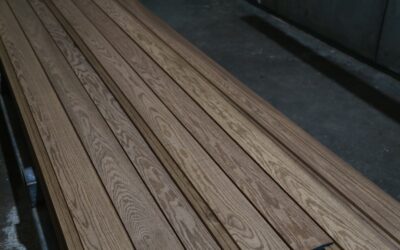
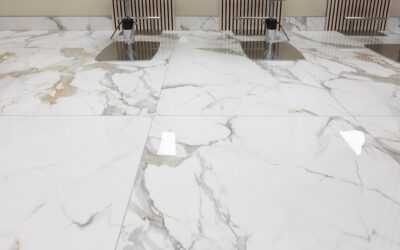
Real marble is gorgeous, expensive, cold, slippery when wet, and a nightmare to maintain. That combination is exactly why marble vinyl has become one of the most popular flooring choices for homeowners who want the elegant veined look without the stone’s headaches. Modern printed vinyl reproduces marble’s swirls and depth so convincingly that guests rarely notice the difference underfoot, and it costs a fraction of the price. Here is how marble-look vinyl is made, where it works best, and how to choose a product that actually looks like stone instead of plastic.
Part of our Countertops guide — explore the full guide →
What Marble Vinyl Is
Marble vinyl is luxury vinyl or sheet vinyl flooring printed with a high-resolution marble image and topped with a clear wear layer. The realistic photographic layer captures the veining and color variation of stone like Carrara, Calacatta, and statuary marble, while the wear layer protects the print from scratches and scuffs. Better products add subtle surface texture and beveled edges so the floor not only looks like marble but reads like individual stone tiles or slabs.
The Main Types
Marble-look vinyl comes in a few formats, and the right one depends on your budget and install method:
- Luxury vinyl tile (LVT): rigid or flexible tiles, often in marble-style squares, that click together or glue down. The most realistic option with the best texture and bevels.
- SPC and WPC rigid core: stone-plastic or wood-plastic composite cores under a marble print, very stable and waterproof, great for click-together floating floors.
- Sheet vinyl: wide rolls of marble-pattern vinyl, the most affordable and the most seamless for wet areas, though it looks flatter than premium LVT.
- Peel-and-stick marble tiles: budget DIY squares, fine for low-traffic and temporary use, but the least durable.
Why Choose Marble Vinyl Over Real Marble
The case for vinyl is strong on nearly every practical measure:
- Cost: a fraction of the price of natural marble, both material and installation.
- Waterproof: quality LVT and SPC are fully waterproof, unlike porous marble that stains and etches.
- Warmth and comfort: vinyl is softer and warmer underfoot than cold stone.
- Low maintenance: no sealing, no special stone cleaners, no etching from acidic spills.
- Slip resistance and safety: textured vinyl is less slippery than polished marble.
- DIY-friendly: click-together planks and tiles install without mortar or wet saws.
Real marble still wins on resale prestige and the genuine feel of stone, but for most homes the practical advantages of marble vinyl are decisive.
Best Rooms for Marble Vinyl
Because waterproof vinyl shrugs off moisture, it thrives exactly where real marble struggles. Bathrooms are a natural fit, giving you that spa-like veined look without sealing or slip worries. Kitchens benefit from the stain resistance and cushioned feel during long cooking sessions. Entryways, laundry rooms, and basements all suit marble vinyl thanks to its durability and moisture tolerance. It also works beautifully in living areas where you want a high-end stone aesthetic with comfort underfoot.
What to Look For in a Quality Product
Not all marble vinyl is convincing, so judge a few specs before buying:
- Wear layer thickness: measured in mils. Aim for 12 mil or more for residential, 20 mil-plus for busy households.
- Texture and bevels: embossed surfaces and micro-beveled edges make tiles read as real stone.
- Pattern variation: more unique tile faces means less obvious repetition across the floor.
- Realistic veining: soft, varied gray veins on a warm white background look more like marble than harsh, uniform lines.
- Core type: rigid SPC for stability and dent resistance, especially over imperfect subfloors.
Order samples and view them in your room’s lighting before committing; print quality varies widely between brands.
Installation Basics
Marble vinyl is one of the more DIY-friendly floors. Click-together LVT and SPC float over most existing hard surfaces with an underlayment, needing only a flat, clean, dry subfloor and an expansion gap at the walls. Glue-down tiles bond to a smooth substrate for the most solid feel and are common in commercial settings. Sheet vinyl is rolled out and glued or loose-laid, with seams kept to a minimum in wet rooms. For a tile look with grout lines, some LVT systems accept a vinyl-compatible grout to push the marble illusion even further.
What It Costs
Pricing depends on format and quality, but marble vinyl is far cheaper than stone. Sheet vinyl can start around $1 to $3 per square foot in materials, while quality marble-look LVT and SPC typically run roughly $3 to $7 per square foot, with premium designer lines higher. Installed, expect a total commonly in the range of $4 to $10 per square foot, versus marble that can easily run several times that once you add sealing and specialized labor.
Cleaning and Care
Maintenance is the easy part. Sweep or dust mop regularly to keep grit off the wear layer, and damp-mop with a pH-neutral vinyl floor cleaner. Skip wax, oil soaps, and abrasive scrubbers, which can dull or haze the surface. Wipe spills promptly, use felt pads under furniture, and place walk-off mats at entries to catch grit. Unlike real marble, you never have to seal it or worry about a splash of lemon or vinegar etching the finish.
Marble Vinyl vs Marble-Look Porcelain
Vinyl is not your only stone-look option, and it is worth knowing how it compares to marble-look porcelain tile. Porcelain is harder, more scratch-resistant, and reads even more like real stone up close, but it is cold underfoot, more expensive to install, and requires grout lines and a longer, messier installation. Marble vinyl is warmer, softer, quieter, faster to install, and easier on a DIY budget, at the cost of a slightly less convincing surface and lower scratch hardness. For a busy family bathroom or kitchen where comfort and quick installation matter, vinyl usually wins; for a showcase entry where you want maximum realism and do not mind cold tile, porcelain may edge ahead.
Common Mistakes to Avoid
A few errors undercut otherwise good marble vinyl. Buying a thin wear layer for a high-traffic room leads to early scratching, so match the mil rating to the use. Skipping subfloor prep is the most common failure; bumps and debris telegraph through the planks and cause clicking or gaps, so the substrate must be flat, clean, and dry. Forgetting the expansion gap on floating floors causes buckling when the room heats up. And dragging heavy furniture or using cheap solid-rubber mats can gouge or stain vinyl, so lift heavy items and use non-staining pads and mats.
The Bottom Line
Marble vinyl gives you the elegant, veined look of natural stone with the durability, comfort, and affordability of modern vinyl flooring. Choose a product with a thick wear layer, real texture, and varied veining, lean toward rigid SPC in busy or uneven spaces, and put it anywhere marble would normally be impractical, especially baths and kitchens. With simple, sealing-free care, marble vinyl delivers high-end style at a price and maintenance level that real marble simply cannot match.
Prefer to explore on your own?
See how new flooring looks in your actual room in seconds — free, no signup.
Try the free Floor Studio →